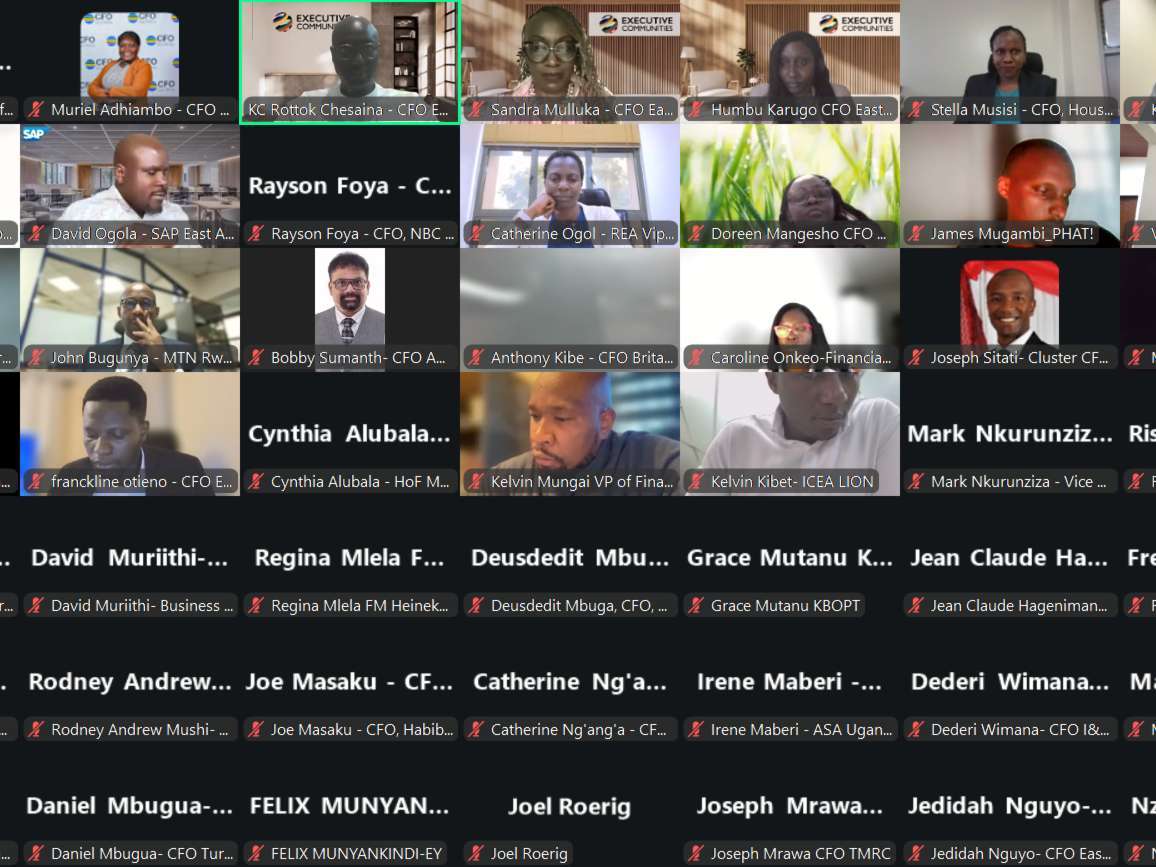
More than 150 finance executives from across East Africa joined the 2026 Virtual Summit to reflect on a turbulent year and speak about strategies for 2027. Panelists and attendees explored how finance leaders are adapting to regulatory shifts and a changing workforce, among other shared concerns.
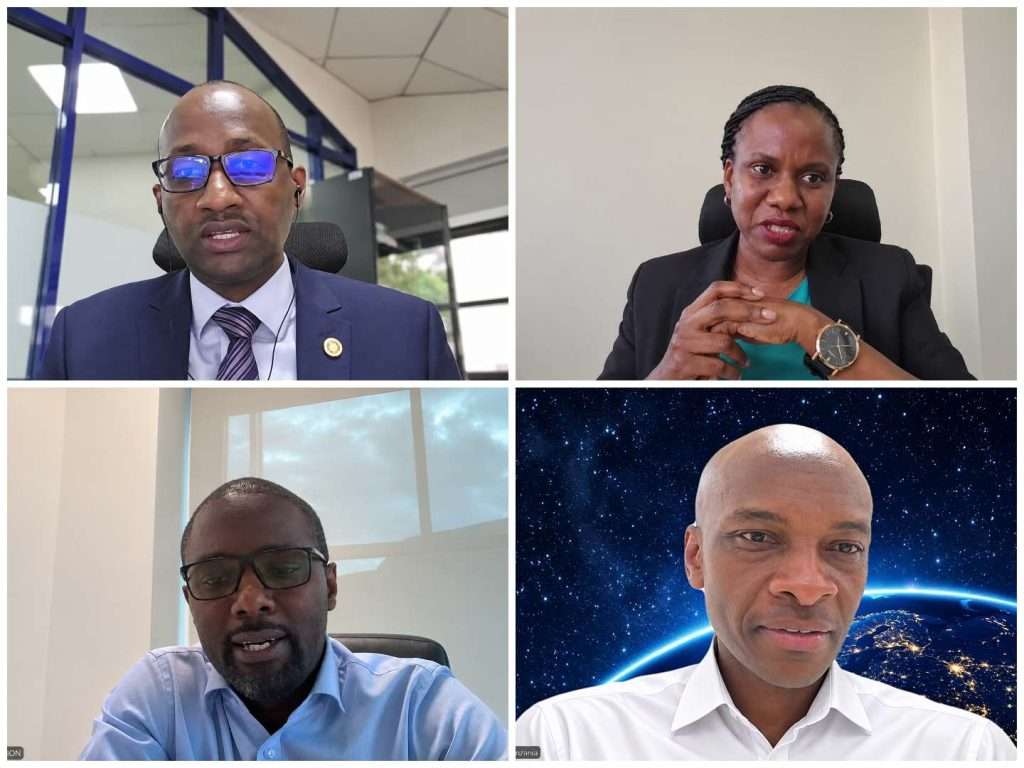
The 2026 CFO Virtual Summit, which brought together MTN Rwanda CFO John Bugunya, ICEA LION group CFO Kevin Nyakeri, NBC Tanzania CFO Rayson Foya and Housing Finance Bank Uganda CFO Stella Musisi as panelists, provided a safe space for more than 150 regional finance leaders to share honest perspectives on handling uncertainty.
John Bugunya began by reflecting on his return to the CFO role at MTN Rwanda after a stint in consulting, pointing out that telecommunications in East Africa is experiencing rapid structural change.
“In July, there was an announcement by the government of Rwanda that they will be shutting down 3G technology devices in July next year. So essentially, they gave us 12 months to make sure that we are able to transition all our customers that are using 3G technology,” John said.
He explained that accelerating the phase-out of these networks creates immediate accounting challenges, while smartphone costs have surged.
“Now you have to look at these investments that you have made in 3G technology and ask yourself if you should start accelerating their depreciation. With this AI boom, the cost of phones has more than tripled since January this year. So then, the question is what to do for these more than a million customers that are going to be impacted,” he noted.
Owning decisions
Transitioning from international private banking to a state-backed institution brought a fundamental shift in perspective for Stella Musisi upon joining Housing Finance Bank Uganda.
“The question I used to ask myself then was whether the numbers are right, and right now the question is whether the numbers are doing the right work,” Stella said. “When you are in a group entity, you always think, ‘someone is going to come and save me’, but the first wake-up call I got was that no one is coming to save you. You have to own this decision holistically.”
Stella also noted that election period uncertainty and rising fuel costs had created severe liquidity pressures across Uganda during 2026.
“The fuel price is over 7,000 shillings and the dollar rate hit about 4,500 recently. In 2026, it has been critical to monitor your liquidity, but also walk the journey with your customers because you are not going to dump them along the way,” she explained.
Lessons from Covid19
In Tanzania, Rayson Foya recalled how lessons from the 2019 pandemic helped NBC Tanzania maintain resilience when global supply chain disruptions struck earlier in the year.
“We saw the closure of the Strait of Hormuz, where almost 30 percent of the world's oil passes through. That created an impact in the economy globally, and we saw fuel prices go up significantly over 100 percent,” he said.
He also spoke about macroeconomic instability, saying it requires finance leaders to make stress-testing a central part of daily decision-making.
“We used to do stress-testing because it is a regulatory requirement, but now it is no longer just a requirement. We should do it frequently as CFOs to adjust according to the environment,” he added.
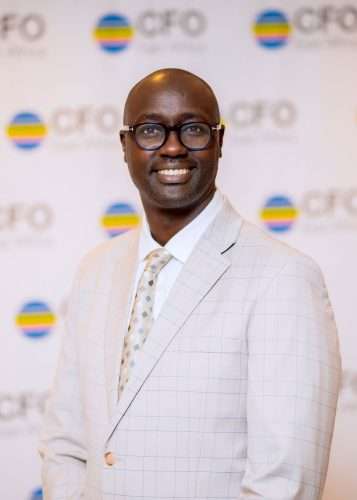
Kevin Nyakeri emphasised that East African finance leaders can no longer operate with a purely domestic outlook, as geopolitical dynamics directly affect the region.
“The days of a CFO being local in mindset are long gone because tariff tantrums or a tweet from a neighbouring country can change things overnight,” Kevin observed. “Insurance is not like bread or milk that you must buy, so insurance is the first item to be cut in an economic slowdown.”
The Gen Z question
Beyond managing the macro-economic environment, the panel addressed shifting dynamics in the workforce. Kevin pointed out that younger professionals now make up more than half of his finance department, requiring a change in leadership style.
“Before, you could tell people what to do and get things done. Today, you have to explain, respect people and rely a lot more on influence rather than title. Accepting that you are not a superhero and being vulnerable enough to admit what you do not know is what allows you to tap into networks and empower your team,” he said.
At MTN Rwanda, John has introduced an internal philosophy focused on staff wellbeing to drive sustainable productivity.
“We have come up with a slogan where we say that ‘we take care of the people so they can take care of the business’. Before you worry about the numbers or the revenue, first make sure that you have taken care of the people,” John explained.
However, in response to a question on how to handle difficult team members while maintaining a people-first approach, John clarified that empathy must coexist with accountability.
“Putting people first means treating people fairly and respectfully, but if someone repeatedly chooses not to align despite the support provided, you must be ready to have difficult conversations,” he explained.
The conversation also led to wider contributions on workplace culture and delegation, with Harley’s Kenya CFO for the health cluster Joe Sitati sharing how creating a supportive workplace environment, such as playing music in the finance office and offering flexible working arrangements, reduced month-end closing times by up to 48 hours.
AI and strategic value
After a brief interlude for questions, the discussion turned to the impact of automation and AI on the finance function, addressing concerns about the relevance of CFOs.
Rayson argued that digital tools free up finance executives to focus on commercial strategy.
“CFOs now are strategic thinkers, and we need to think strategically to support the business to grow because AI and technology can handle the numbers. We need to move away from routine work and keep ourselves relevant to the organisation and society,” he said.
John agreed, saying routine tasks such as bank reconciliations should be automated, but stressed that AI must face the same scrutiny as any other capital expenditure.
“AI should not get special treatment or special exemption from going through the same financial discipline that we take through any investment. It needs to demonstrate that there is measurable business value,” he noted.
Building resilience
Earlier in the evening, Rayson revealed that he had worked as a porter for climbers in his native Mount Kilimanjaro long before he got into finance, invoking the theme of personal resilience. He later spoke about his practice of scaling the famous landmark every year.
"You learn a lot of things. One is you test your resilience, how to manage shocks, and also you learn how to focus,” he said. “For me, I normally tell myself if I want to refresh, I have to go back to the mountain and test myself."
As the event wound down, Kevin urged finance executives to protect their mental health and maintain balance amid intense professional demands, citing entrepreneur and author Sahil Bloom’s concept of total wealth.
“We are more focused on financial wealth, but there are other types of wealth including social connections and mental health. Taking care of our mental health is essential because our health is our greatest wealth,” he said.
Stella also gave an encouraging reminder to the community.
“We are meant for such a time as this. As iron sharpens iron, gathering in spaces like this helps us sharpen each other and navigate whatever comes next.”