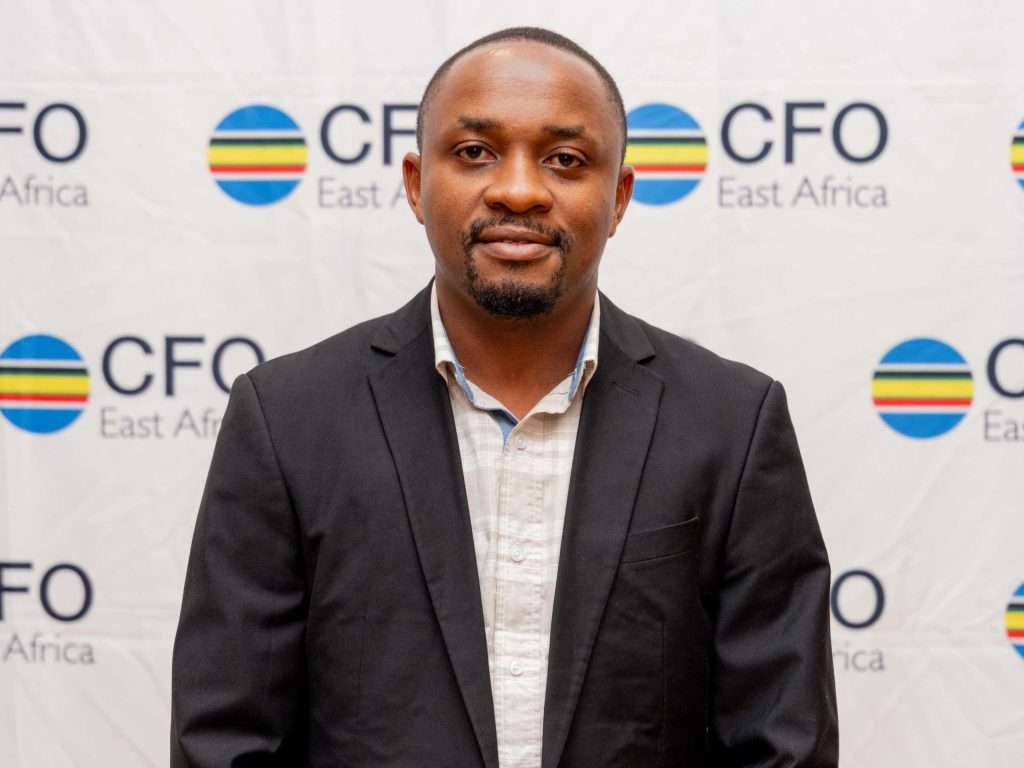
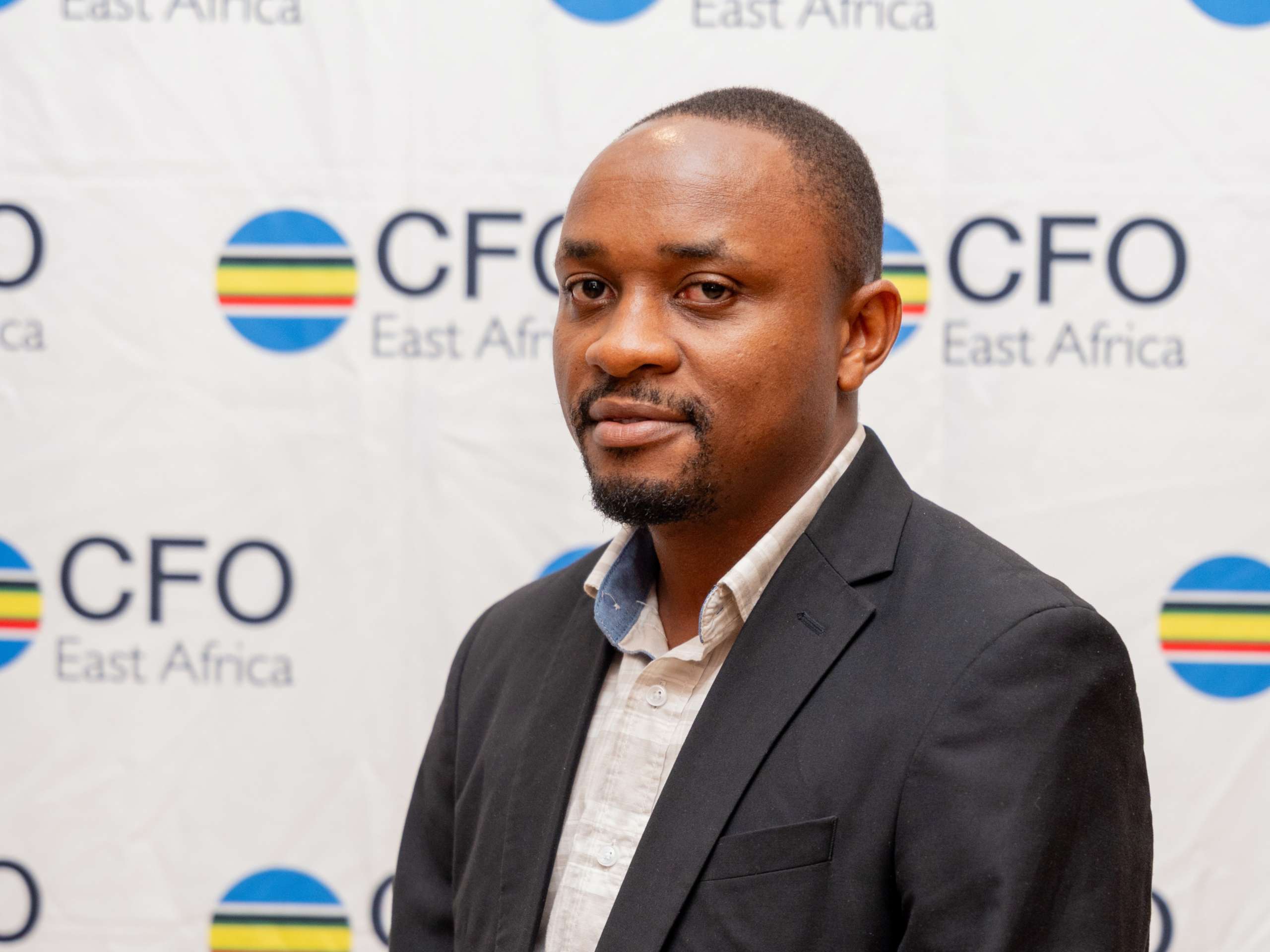
Richard Mdoe sees the modern CFO as a strategic partner to the CEO and a commercial operator who understands the market. He believes the CFO is a leader whose success is measured by the people he prepares to take over when he passes the baton.
Leadership, for Richard Ludovick Mdoe, is a position in which one person does not need to remain at the centre. This is the key to how the spirited Britam Tanzania CFO works with his team. He is of the belief that a successful leader should create enough confidence and capability within the team that the business continues to move forward when that leader eventually leaves.
He explains, “Engagement is key. Team engagement and recognising the talent within the team. I engage a lot. Even this morning, we had a report that my team is supposed to send by the 10th, so I sat down with my team to check where we were and how I could help. If someone is stuck, instead of waiting until the deadline, you engage them early. My approach is really engagement with the team, recognising their talent and taking them one step ahead.”
Drawing a connection to succession, Richard wants the people around him to be able to occupy positions of greater responsibility. His previous experiences gave him a practical example of what that can look like.
He recalls, “At the end of it all, we need to prepare people who will sit in our seats when we exit. I don't like moving out of a company and having someone brought in from outside if we can build internal talent. When I moved from my previous employer, my number two stepped up as CFO. I had recruited him when he was an accountant at a university. He didn't know insurance terms like ‘premiums’ at first. When I left, my CEO asked me about him and I told him he was the guy and he would be ready with a proper mentorship programme.”
No longer the bean counter
Richard sees a clear difference between the traditional finance executive and the modern, strategic CFO. The way he sees it, finance leaders need to understand what happens beyond the finance department. While traditional obligations like budgeting and board reporting remain important, they are no longer enough on their own.
“Other than number-crunching, taking reports to the board and talking about the numbers with the board, the market now demands a strategic CFO, a CFO who can really help the CEO on strategic matters, not only numbers. For instance, during this current budgeting season, the CFO should be forward-looking and take the lead in formulating an actionable strategy,” he notes.
He believes that finance should be involved in decision-making. The CFO should be close enough to the business to understand it. The executive should then use financial insight to help shape what is achievable.
He says, “Previously, finance collected data, say, sales forecasts and expense estimates, compiled them and adjusted expenses if they looked high. Today, the CFO needs to be at the forefront alongside the CEO to drive an achievable vision. We are looking at a strategic CFO who does more than partner with the business, they are in the business.”
Learning from different leaders
The different leaders Richard came across during his career have all played a part in the leader he is today. In his previous roles, he was given responsibilities that went beyond his position. The exposure helped him understand the importance of trust and opportunity in developing people.
“At first, it was challenging, but I had very good predecessors and of course, the CEO. The CEO I had back then had a lot of trust in me. Even before becoming an assistant manager in finance, when I was just a senior finance officer in credit control, he was taking me to represent him in meetings with the commissioner of insurance,” he remembers.
He also learnt from two CFOs who had vastly different approaches to leading, taking lessons from both.
He says, “Before becoming a CFO, I worked under two CFOs. One was very hard-working and fast-paced. If he gave you a task today, he wanted it submitted tomorrow and if you delayed, you'd find he had already done it himself. He was very tough, fast, and direct. Then I had another CFO to whom delegation was life. Being in those two regimes shaped me to be a better version combining both approaches.”
Those lessons on leadership can be seen in the opportunities he gives his younger employees.
“Combining those techniques with my CEO's trust, I started empowering my team. If an audit was being done at a branch, I would take a junior who had just joined us two months ago and maybe never flown on a plane in their life, and fly them to Arusha for the assignment. They were excited and motivated,” he says.
Technology changes the work
Richard has seen the finance function at Britam move towards systems that reduce some of the manual work that previously occupied finance teams. The company recently undertook a project to replace its core system with a new platform.
“We are really embracing technology. Last year, we undertook a project to change our core system to enable integrations and AI capabilities. Our previous system was slow in integrating with external platforms. In January, we successfully launched a new system that integrates smoothly with third-party partners and government platforms like TRA and TIRA,” he explains.
He finds that technology is not valuable simply because it is new. The importance of technology lies in what it allows finance professionals to do with the time saved.
“Technology saves time on compiling numbers, allowing finance leaders to focus on explaining what the figures mean, analysing key ratios and advising the business,” he notes.
In his personal life, Richard has been involved in church since childhood. He describes his faith as a lasting part of his life. During the weekends, he often leaves the office behind for his farm in Bagamoyo.
He says, “I tell people that I am a church boy. Since grade three, when I was nine years old, I was an altar server and at age twelve, I joined the Catholic Charismatic Renewal, and it shaped me. In my free time, you will often find me participating in church activities. Outside of church, I enjoy farming, specifically pig farming. On weekends, I go out to my farm in Bagamoyo to work alongside the young people managing the farm. I really enjoy that.”