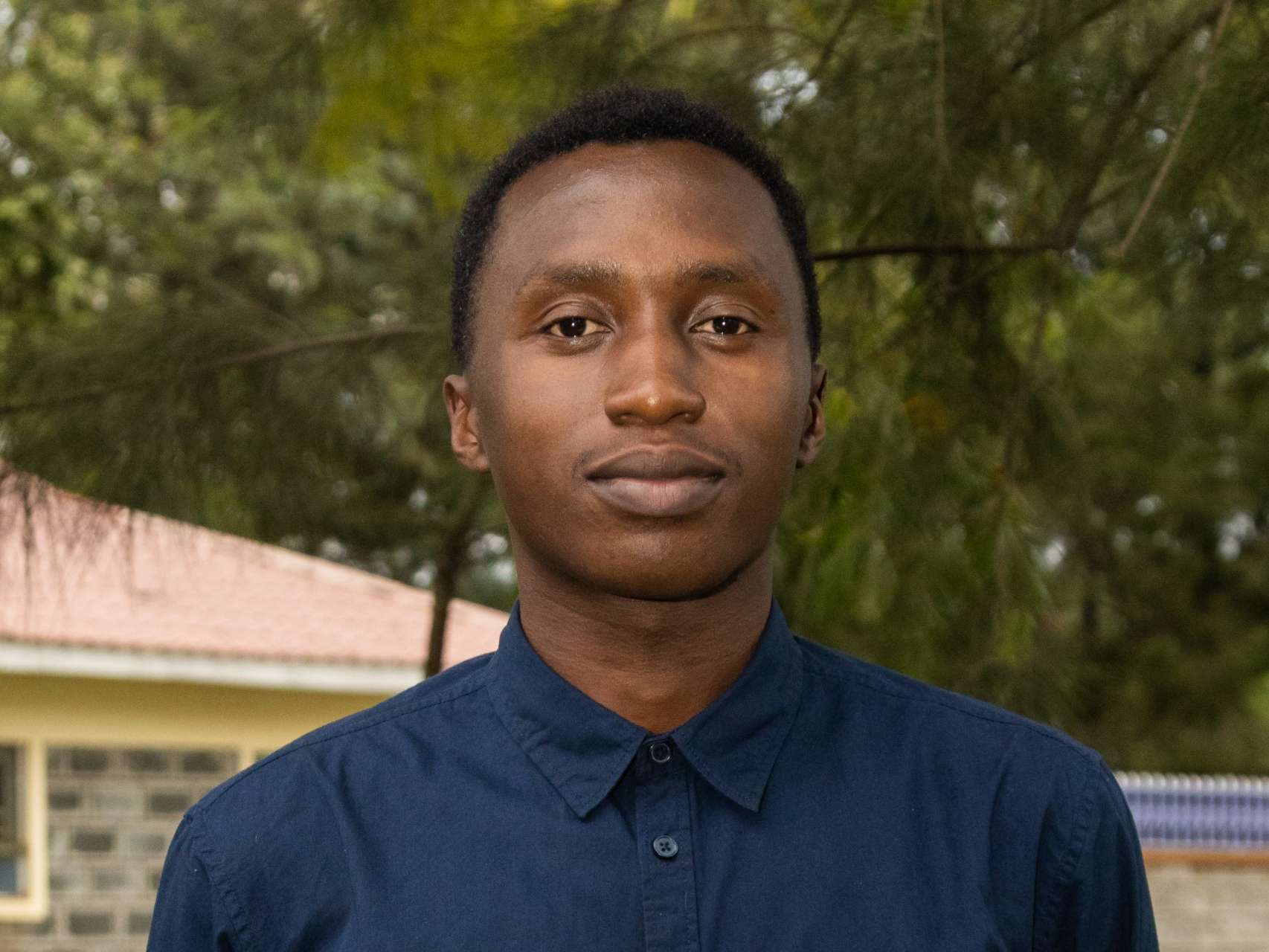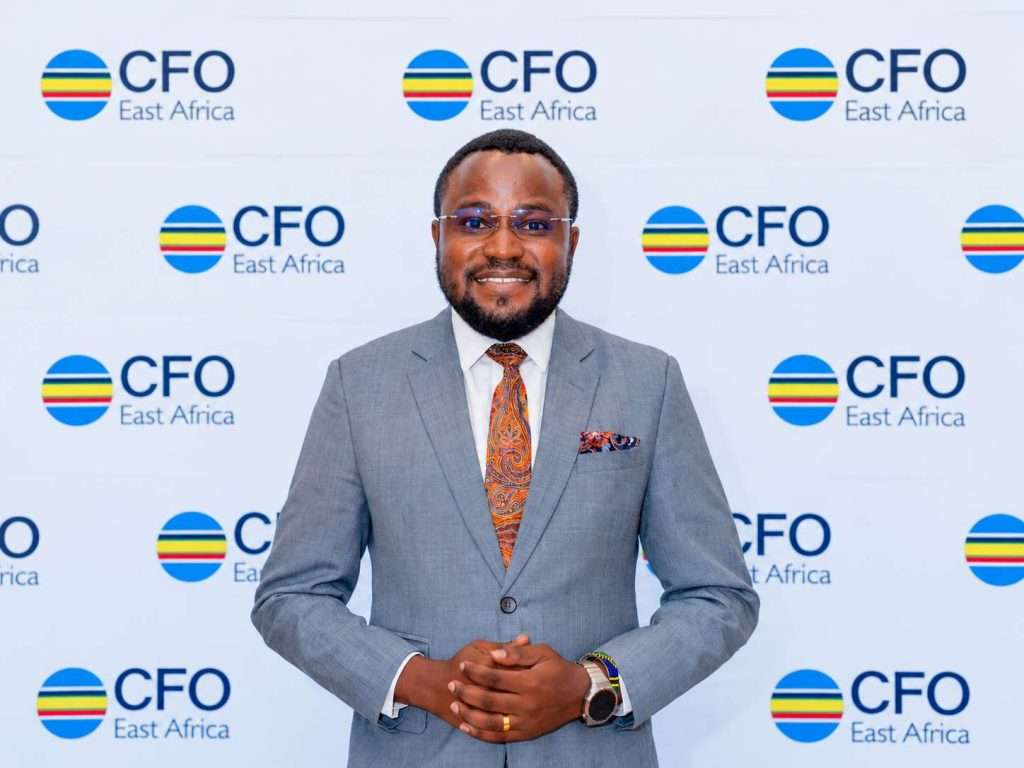
Hillary Godson's career has been shaped by the simple principle of not focusing on what is missing and making the most of what is already available.
Resourcefulness is a habit that began early in Hillary Godson’s life. At Kibaha Secondary School, his class went for a period without a teacher for accountancy. The situation nearly pushed him to abandon business studies and move to art subjects to pursue law. However, he and his classmates found another way to keep learning.
He recalls, “I stopped looking at what I didn’t have and started looking at what I had that I could put to use. We shared notes, taught each other and did a lot of self-studies. That prepped me for what was coming ahead at university, where life is entirely up to you. When we wrote our final national exams, everyone in that class passed.”
The experience left him with a way of thinking that would become useful later in professional life. He learnt to look at what was already within reach and consider how it could be used.
“That mindset came from a time when I thought I had nothing back in school. I learnt to open my eyes and see what was there to use. Waiting for new resources delays initiative. In school, we were prepared to deliver homework every day under tight deadlines, and that accountability carried into my career,” he says.
Passion and challenge
Hillary initially found himself placed in the science stream in secondary school despite having a strong interest in bookkeeping, commerce and mathematics. He insisted on transferring to business studies.
“It wasn’t because I was not doing well in science subjects, but business was something I had a passion for. So, I discussed it with the academic teachers, and finally they transferred me to the business class. Out of three streams, there were two science streams and one business stream. Bookkeeping and commerce were subjects that were dear to me because of the numbers, as well as mathematics,” he recalls.
His commitment was tested almost immediately. His first bookkeeping exam after moving to the business class produced a D. That setback became a turning point. He doesn’t remember failing to get an A from the next exam onwards.
“I looked at that script and nothing was overlooked. I was punished, and that was very bad for myself because this was something I wanted to do and people knew I had it in me. From then on, every exam that came after that bookkeeping exam, I don’t remember not getting an A. My next script was essentially used as a marking scheme,” he says.
After studying a BCom at the University of Dar es Salaam, Hillary joined PwC in 2015. There he was exposed to several industries and greater responsibility. He worked across financial services, manufacturing and consumer industries, and progressed to senior associate within two years.
He recalls, “I landed my very first lead client, CRDB Bank, for audit in July 2015. I was the junior associate on that team. Usually, the junior associate audits expenses, but I was also handed liabilities stemming from legal cases, which is usually handled by a senior resource because of the judgment involved. It turned out that I was able to do a very good job. Even as the most junior associate, the engagement manager knew me by name and would call me to keep her up to speed.”
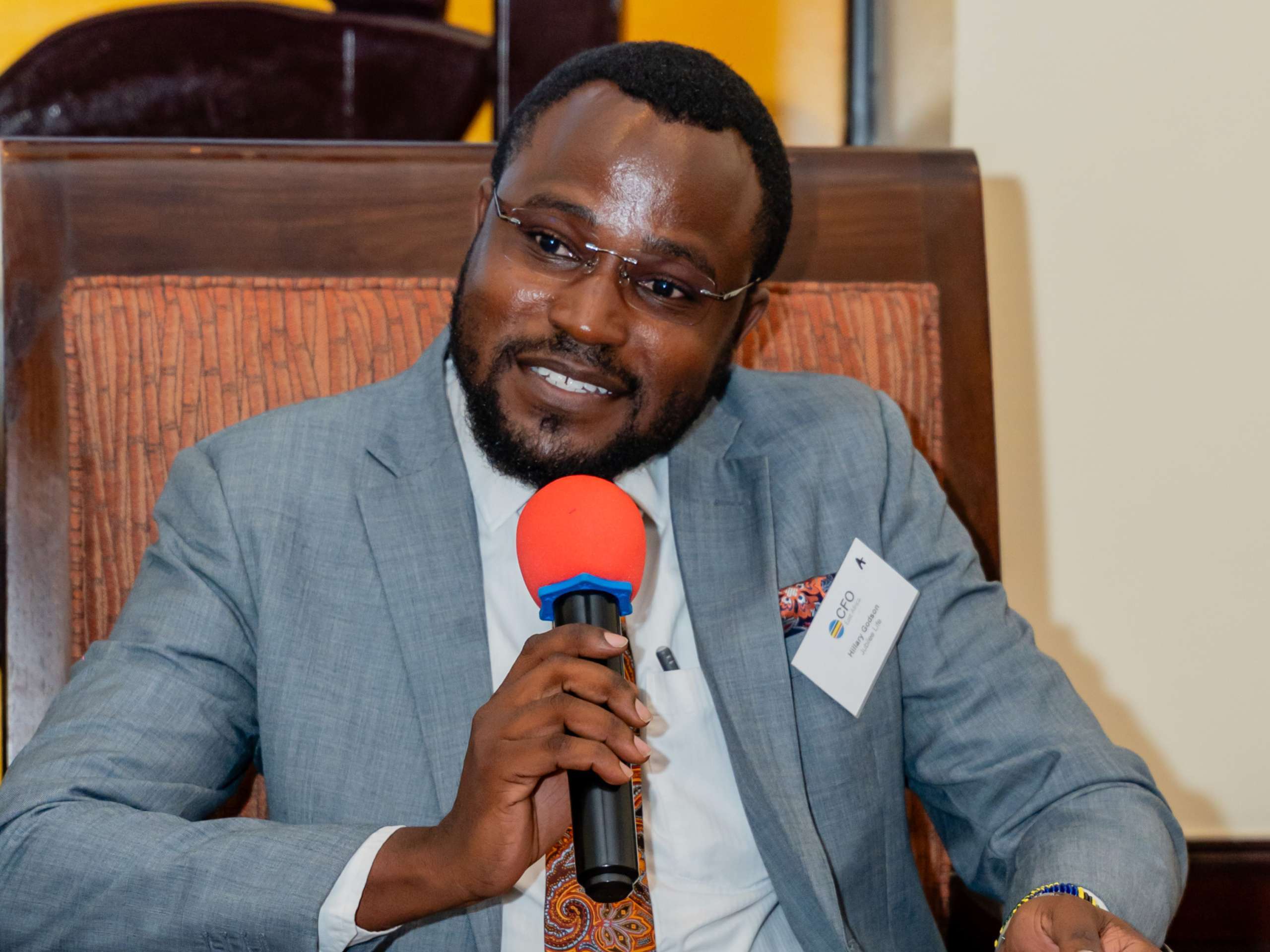
Learning the business behind the numbers
Hillary’s move into Jubilee Insurance in 2017 gave him a different kind of challenge. His previous financial services experience at PwC had largely involved banks. Joining Jubilee meant entering a new technical environment. The timing also placed him at the centre of a major systems change.
“When I arrived, we were migrating the financial reporting system, which was the biggest project happening, alongside an ongoing audit. The core business system and the financial accounting system were not integrated, so I spent time understanding what was happening in the backend for every transaction – what accounts were debited and credited – and documenting the processes,” he remembers.
His understanding of both accounting and the underlying transactions made him the person in the room who could connect the operational system with the accounting consequences. He could explain to the IT and finance teams how activity in the core system affected financial reporting.
“When we sat down with the IT and finance teams, I was the only person in the room who understood how core system transactions impacted the financial reporting system. We integrated the core system with financial accounting to eliminate manual entries, and by the end of Q1 the following year, the system migration project was completed and verified by external auditors,” he says.
Building a team
At Jubilee, Hillary initially found himself as a team of one reporting to the CFO. He asked for permission to bring in interns and began building capacity. The team grew, eventually becoming a nine-person finance function. His transition towards executive leadership also came with board reporting. His own development was shaped by a boss he describes as a teacher.
He says, “Board exposure was a major learning point. My promotion came first as chief accountant before moving into the CFO role. My boss was more of a teacher than a boss. She built me by asking detailed questions on reports until I learnt to deliver work so thorough that no clarification was needed. She reminded me that directors need information quickly to make timely decisions.”
Leadership is developing people who can think independently for Hillary. He is proud watching people he has helped develop grow into more senior finance roles.
He explains, “Building a team from scratch – from interns to senior accountants, tax accountants and treasury accountants – and watching them grow into future CFOs is what keeps me motivated because it resonates with my values.”
Making room for what comes next
The same approach of being inquisitive is visible in Hillary’s attitude towards technology. Bank reconciliations at Jubilee that were once performed manually across opening bank accounts are now handled by an automated bot. His current conversations with his team focus on what should be automated next and how processes can continuously improve.
“When I arrived, bank reconciliations were done manually across opening bank accounts with only one resource. We brought in an intern to manage it initially, and years later, reconciliations across over 20 bank accounts are handled by an automated bot. Now my discussions with the team focus on what process to automate next and how to continuously improve,” he recalls.
Hillary once considered law seriously enough to nearly leave business studies for it. He also has an interest in agriculture. His early attempt at agriculture taught him that agriculture would require his full attention.
He says, “One other thing that I am passionate about is agriculture. I tried farming early in my career on a farm 60 kilometres away, but on a Saturday while heading to the farm, my manager called me into the office to meet with a partner. I ended up staying in the office until 6pm and I realised farming needed full attention. If I am not doing full-time finance someday, I will probably find myself doing farming.