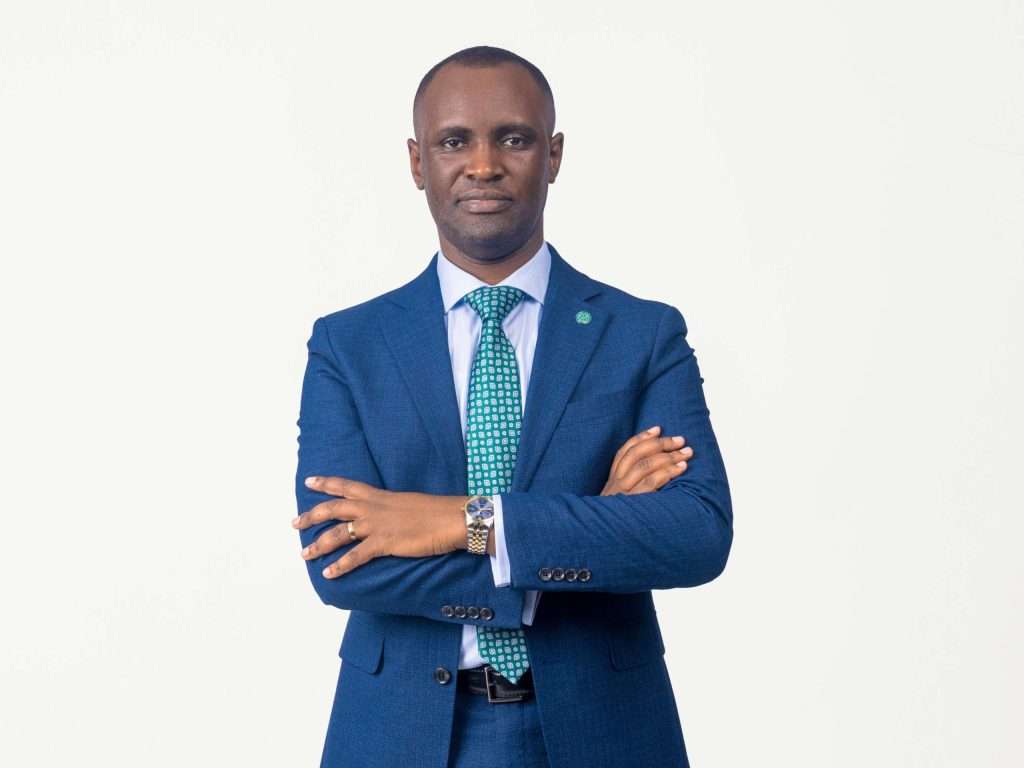
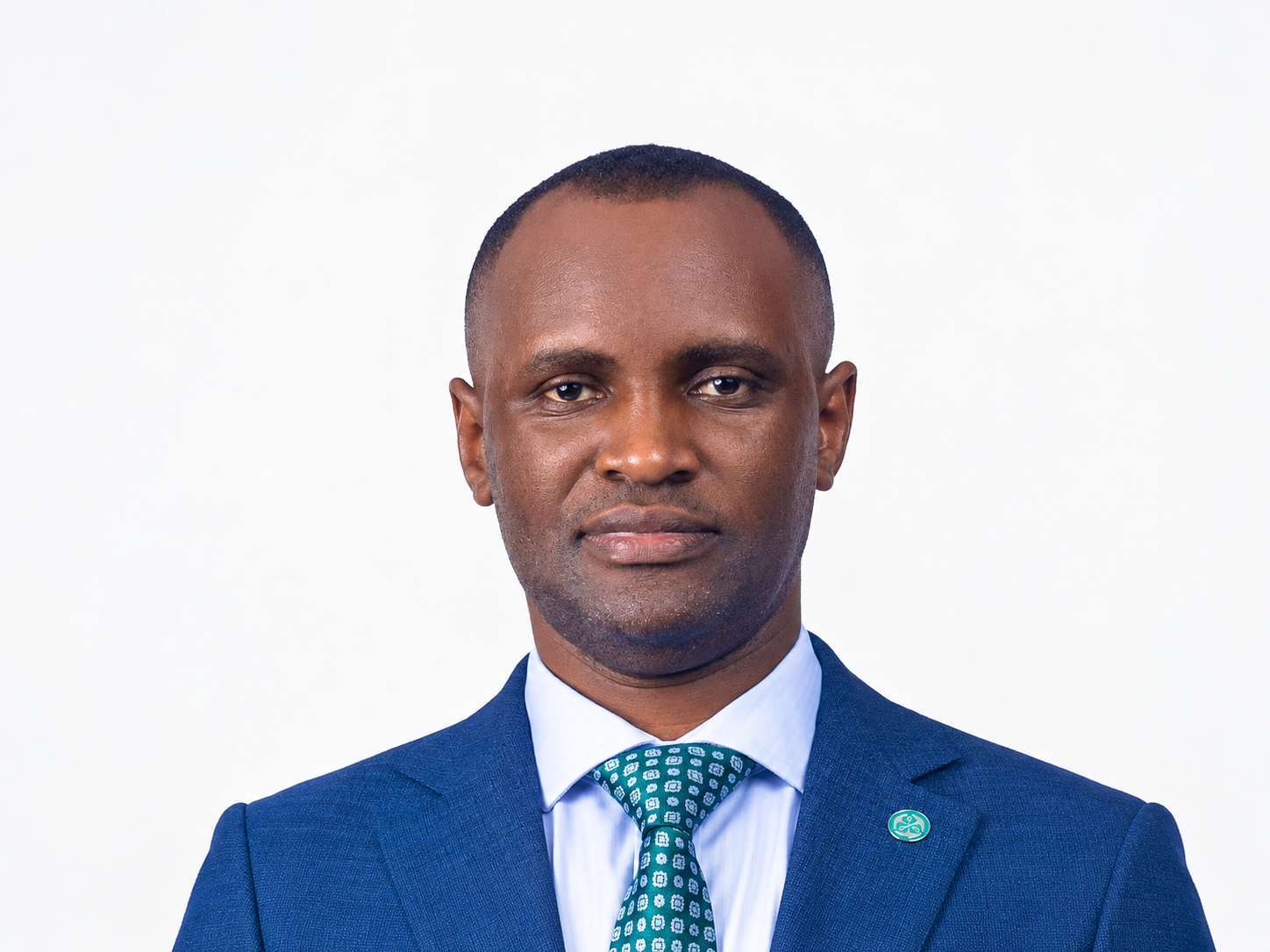
The modern CFO is no longer the executive who simply checks the numbers and sends them up the chain. As acting group CFO of Old Mutual East Africa, Isaiah Gakonyo sits at the intersection of technology, data, customer behaviour, capital discipline and long-term value creation. His approach is shaped by a persistent appetite for learning and asking better questions.
One of the clearest changes Old Mutual group CFO Isaiah Gakonyo has witnessed is the evolution of finance itself. He entered a profession that was more focused on efficiency and reporting. Today, he sees the CFO as someone expected to participate directly in business decisions.
He explains, “Now, the role has evolved into one where the creation of value is also expected of us. I have seen some organisations within our market and beyond extending the CFO title to include ‘Value Officers’ or ‘Value Leads’, and that speaks to that evolution. It’s a well-informed way of bringing it out. Even if it is not in the title, there are enough initiatives and activities that speak to the fact that the CFO is at the centre of value creation.”
That requires more than financial knowledge. He believes a finance leader should have the ability to question information and help other leaders make sense of it.
“The other important aspect, as simply as I can put it, is the value of asking the right questions. Working closely with our managing directors and CEOs leading Old Mutual businesses across the region has reinforced that effective leadership is not about having all the answers, but about probing the right issues, challenging assumptions, and driving better decisions through insightful questioning. It’s about helping them interrogate all the information that lands on their desks, standing back as an organisation and asking, ‘With all this, where is value being created, being retained, or being eroded?’ and elevating ourselves to the level where we can effectively play that role,” he says.
That emphasis on value is central to Old Mutual’s financial wellness positioning. It reframes the organisation’s role from being a provider of individual financial products to being a long-term partner that helps customers understand their choices, take appropriate action and sustain, grow and protect their prosperity.
Data is a capability
Throughout his career, Isaiah has seen technology transform finance, moving it closer to the core of business strategy and operations. He believes AI is a natural continuation of that evolution.
“When I started out, finance was mostly about accuracy and getting things done efficiently. Over time, what I have seen is that it has transitioned from that back-office support function to a front-end and core decision-making, support-enhancing capability,” he says.
The evolution also makes data quality more important. He points to the implementation of IFRS 17 as an example.
“Data itself has become a strategic asset. In the insurance space, a couple of years back when entities were implementing the new accounting standard, IFRS 17, a lot of the success of that implementation was defined by data. Players that had their data in better shape found it quicker to get the implementation done.”
He continues to explain, “The quality of data has determined how much organisations have benefited from the new reporting framework, and how well they can use it to dissect, analyse, form sound judgements and make informed decisions.”
He rejects the simplistic view that AI is mainly about which jobs might disappear. The more immediate challenge is whether finance professionals can adapt their skills and use the tools now becoming available.
“So, data becomes a capability. AI stops being a back-end function and becomes frontline, right-hand support for finance professionals. That has reshaped the finance role, because behind all that are users, and it means that a finance professional of whatever age, experience, or level within an organisation needs to be able to utilise those functionalities,” he says.
Financial wellness for the 97 percent of East Africa
In Isaiah’s view, the corporate insurance market is already substantially served. He argues that the industry’s big opportunity is reaching the huge retail market that remains underinsured. For Old Mutual, this is not simply an insurance penetration challenge, it is a financial wellness challenge; enabling more people to understand their financial needs, protect what matters, build resilience and make progress towards their goals.
He explains, “Increasing insurance penetration will require the industry to make insurance simpler, more affordable, more accessible, and more relevant. Many consumers still perceive insurance as complex and expensive. We need to make it affordable so that a normal person running, say, a ride-hailing business does not feel like they need to turn their world upside down to afford premiums. Products must be priced within reach of ordinary customers and tailored to their specific needs, so that we are not making products from where we sit, but from what the market is telling us.”
Isaiah noted that competition is for the three percent already insured. “It’s a lot more about collaboration than competition. Rather than compete, we need to cooperate, come together, and lead in providing and creating solutions.” He continues, “If we combine awareness with proper retail products that fit these buckets, we will start getting into the 97 percent.” He adds that success will depend on digitally driven retail solutions that are affordable, relevant, and tailored to the needs of the target market.
He believes that partnerships with banks, fintechs, Saccos and digital credit providers will help financial institutions reach consumers more effectively. This partnership-led model supports Old Mutual’s financial wellness positioning by bringing protection, savings, investment and banking solutions closer to customers in ways that are simpler, more accessible and relevant to everyday life.
Growth with discipline
Isaiah notes that Old Mutual’s approach to growth is closely tied to capital discipline, particularly in a region where regulatory changes and geopolitical developments quickly change the environment. He says that at Old Mutual, the focus is on high-quality growth that creates sustainable value while improving customer outcomes. This means financial wellness can’t just be something we talk about. Customers should see it in the solutions Old Mutual offers, the advice it gives and the experience they have with the organisation.
He says, “When we published our half-year results, we were keen to communicate to the various stakeholders that, for us, our focus is on high-quality growth. We don’t want to grow for the sake of growing. Our focus is not on volume, our focus is on value.” He notes that the organisation’s ongoing portfolio optimisation is aimed at delivering better customer experience while enhancing shareholder returns.
Not every decision that creates value looks like growth. Some of the most important decisions of the past year have been about knowing where to step back. One example is the responsible run-off of Old Mutual’s South Sudan operations, which continues to progress well and remains aligned with its portfolio simplification objectives. Another is the plan to sell the property to strengthen the balance sheet. “It’s not just about the return. It’s about the return we get for the risk we take,” Isaiah says.
That intentional approach extends to the capabilities the organisation builds. He argues being future-ready means knowing what the organisation can do for itself and where another partner can provide the missing capability.
“To sum it up, it is the discipline required to keep your eye on all those moving pieces, being digitally ready and identifying the right partnerships to access capabilities you do not have.”
Shared prosperity
“Our growth is tied to the prosperity of the communities we serve,” Isaiah says. That thinking drives the work of the Old Mutual Foundation, which focuses on two areas: financial literacy and sustainability. Last year, the Foundation reached more than 30,000 people directly with financial education. On the environment, it partnered with WWF Kenya to restore 24 hectares of degraded land in Kaptagat with more than 22,000 indigenous trees.
“As recently as August this year,” Isaiah adds, “our group leadership team visited schools in Laikipia North to witness first-hand the difference our Foundation, together with Ol Pejeta Conservancy, is making through infrastructure development and financial literacy initiatives.”
Staying hungry
A personal quality that Isaiah says has shaped his career is maintaining a growth mindset. His instinct is to keep learning. Learning before an opportunity arrives is part of how he prepares himself for future challenges.
“By design and as a person, it is the push to continuously develop. Whether it’s putting my hand up for a new opportunity or being open to things when they come, learning a new skill in whatever space or taking on a new course – that consistent urge to be knowledgeable, appreciate and learn new things,” he says.
Relationships have played an equally important role in Isaiah’s development. He actively seeks out mentoring conversations and opportunities to engage with people who bring perspectives beyond his own field. Isaiah believes some of the most valuable lessons come from relationships built throughout a career. “There is a lot of value that comes from people, not just in your space but more broadly,” he says, noting that insights from peers, mentors, and professionals across different industries have helped shape his journey.
His strongest source of perspective is his family.
He says, “I have young children. My interaction with them is a constant reminder that life extends beyond the demands of the CFO role. It grounds you to realise there is life beyond the numbers.