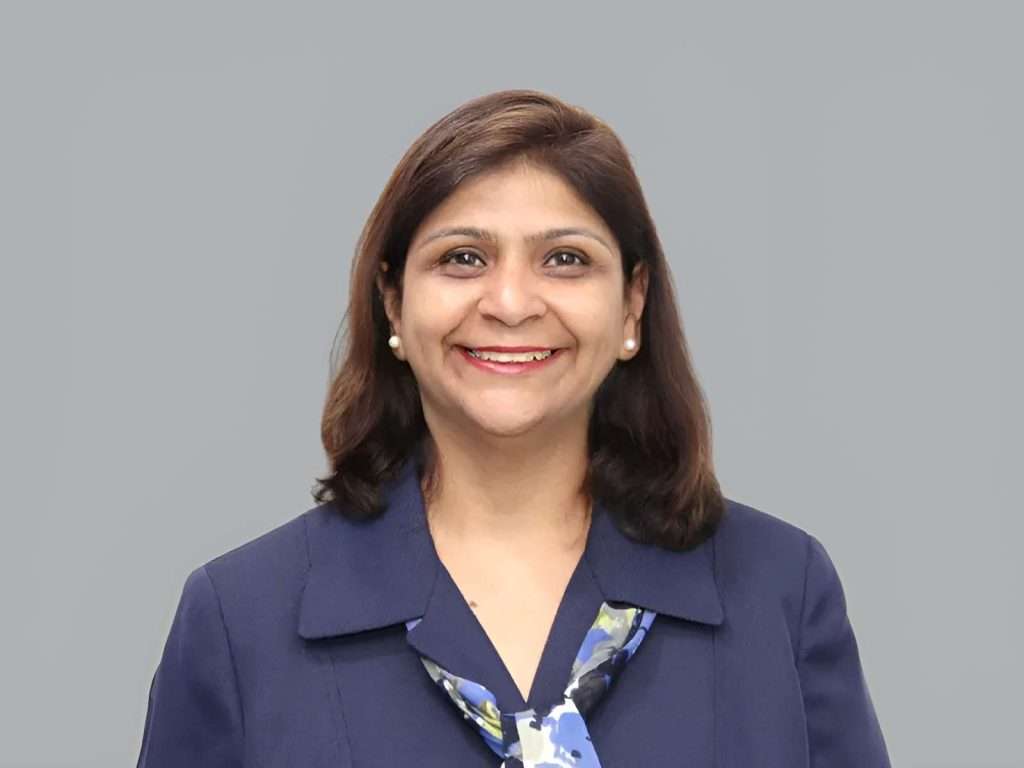
Still treating tax as just a compliance box to tick? 2026 CFO Awards judge and RSM Tanzania managing partner Lina Ratansi explains why the best finance leaders step out of their silos and use tax planning to build stakeholder trust.
Read more about why Lina believes connecting the numbers to people is the secret to lasting business value.
You've spent over 30 years in taxation, audit, and assurance. What has that journey from trainee to managing partner taught you about building lasting value in finance?
Over the years, one lesson has remained constant: lasting value is not built through numbers alone; it is built through trust, relationships, and consistent judgment. While technical excellence is an important foundation, building lasting value requires trust earned through integrity, strong relationships with stakeholders, and long-term thinking to make decisions that strengthen the business. Developing real expertise takes time and requires an environment where training is strong and learning is continuous. Financial results are an outcome, but trust, relationships, and depth of capability are what sustain them over the long term.
How should CFOs be thinking about taxation as part of their broader business strategy?
Taxation should not be viewed as a compliance exercise but as a strategic lever. The most effective CFOs integrate tax thinking into the early stages of business strategy to ensure decisions are commercially sound, and sustainable from a regulatory and reputational perspective. This means understanding how tax impacts business models, structuring operations efficiently, and anticipating regulatory changes. In emerging markets, how an organisation approaches tax is closely linked to its reputation, so CFOs must build transparent relationships with regulators, ensure clarity in reporting, and avoid overly aggressive positions. Tax is no longer just about managing cost; it is about managing relationships, risk, and trust.
What prompted you to become a judge for the CFO Awards?
Having spent over three decades in audit, tax, and advisory, I have seen how significantly the CFO role has evolved in responsibility and leadership. What drew me to the CFO Awards is the opportunity to recognise finance leaders who go beyond the numbers to shape decisions and carry organisations through uncertainty. Many outstanding CFOs operate quietly behind the scenes, yet they are the backbone of strategy, governance, and resilience. Recognising them is about redefining what leadership in finance truly looks like.
How has the CFO role changed over time?
The CFO role has moved from authority to influence and empathy. While control and precision remain essential, they are only the starting point. The business environment has become more complex, with political and regulatory shifts creating both uncertainty and opportunity. Navigating this requires judgment, resilience, and a deep understanding of operations. Today’s CFO must understand the human impact behind financial decisions, balance performance with sustainability, and navigate external uncertainty. The most effective CFOs are not the most authoritative; they are the most trusted.
What will define a successful CFO in the next three to five years?
A successful CFO will balance commercial strength, human leadership, adaptability, and the responsible use of technology. While AI will undoubtedly reshape finance from automation to decision-making insights, the real challenge is leadership. This means managing concerns around job displacement, ensuring ethical data use, and maintaining transparency. In an AI-driven world, the CFO’s role is not just to drive efficiency, but to safeguard trust.
What gaps do you see in developing finance professionals today?
We are producing technically strong professionals who are not always well-rounded leaders; the gap is no longer technical, but human. Many are well trained in standards and compliance, but less equipped to understand the context behind the numbers, communicate clearly, and influence decisions across the business. The future CFO will be defined by the ability to connect numbers to people, and insight to action.
What will you be looking for when judging the nominees?
I will be looking for CFOs who demonstrate balance across performance, people, and long-term value. This includes clear contributions to strategic direction, strong integrity, and the ability to empower high-performing teams through fairness and empathy. I will also be evaluating how they navigate technology, particularly AI. The focus is not simply on adoption, but whether they use it ethically, manage its impact on people, and strengthen transparency as they innovate. Exceptional CFOs deliver results without compromising trust or principles.
Any final thoughts for the finance community?
The CFO role in East Africa is becoming more influential and demanding, presenting an opportunity to redefine leadership. Do not limit yourself to finance; step into the business, take ownership, and lead. Your impact will increasingly be measured not just by what you deliver, but by how you lead and the trust you build.