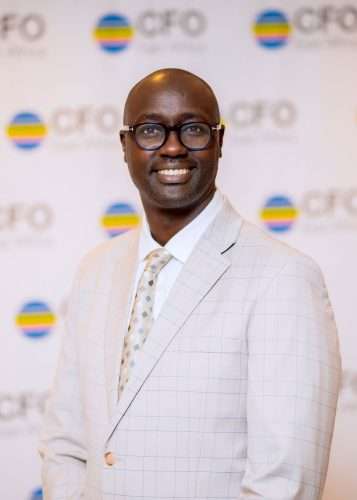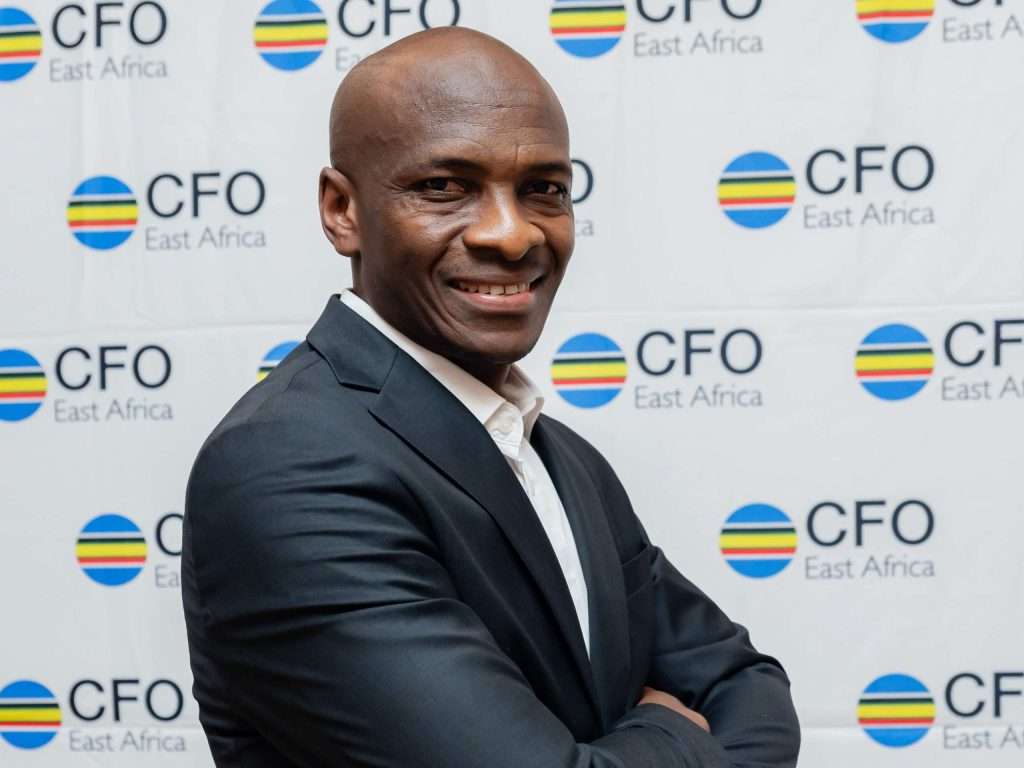
NBC Tanzania CFO Rayson Foya believes professional experience offers no lasting protection when disruptions transform business overnight. Looking back on lessons from mountain climbing, he speaks about why modern finance leaders must delegate the routine to focus on impact.
Long before joining the banking sector, NBC Tanzania CFO Rayson Foya worked as a porter on Mount Kilimanjaro, where he hails from. Carrying luggage across steep trails taught him that physical stamina and mental discipline determine whether a climber reaches the summit.
"Climbing Kilimanjaro, you learn a lot of things. One is you test your resilience, how to be resilient, how to manage shocks whenever kind of shock happen, and also you learn how to focus," he said at the 2026 CFO East Africa Virtual Summit.
The physical discipline required to scale peaks now guides his routine in the boardroom. Whenever commercial pressures mount, he returns to the slopes to reset his perspective and test his ability to deliver under pressure.
"For me, I normally tell myself if I want to refresh, and also test my resilience, and test my focus, and also discipline in executing whatever I am doing, I have to go back to the mountain and test myself. In everything we do, we find a lot of showstoppers, but once you focus and you continue doing the right thing, you will deliver whatever is supposed to do," he explained.
This year, disruptions in global energy markets tested that corporate stamina . International shipping closures caused fuel prices to jump sharply, forcing commercial banks across East Africa to adjust their projections.
"We saw the closure of the Strait of Hormuz, where almost 30 percent of the world oil passes through. That created an impact in the economy globally, and we saw fuel prices go up significantly over 100 percent," he went on.
'AI is everything'
As he explained, handling sudden price movements requires finance departments to abandon outdated planning cycles. Risk assessments now happen in regular operational discussions rather than waiting for formal regulatory deadlines.
"We used to do stress testing because it is a regulatory requirement, but now it is no longer just a requirement. We should do it frequently as CFOs to adjust according to the environment," he said.
Fast technological changes now mean that historical corporate achievements no longer protect organisations from disruption. Finance executives must continually update their technical skills as automated systems take over daily ledger tasks.
"Experience is no longer an advantage for anyone because things are changing so fast. The world is evolving big time, and technology is taking over everything. Two or three years ago, AI was not a big discussion in the boardroom, but now AI is everything," he said.
Positive impact
To stay relevant, Rayhson noted, finance leaders must reallocate daily hours away from basic administration. He also advised reassigning routine transaction reviews to junior staff members so executives can engage external stakeholders.
"If we try to allocate our time, 20 percent focus on the normal activities and 80 percent focus on value adding activities. We need to capitalise on technology and capitalise on delegation to drive strategy, meet clients, and bring positive impact to the community," Rayson added.
He explained that stepping away from spreadsheet production allows finance executives to focus on corporate purpose and community progress.
"One of the key things we should do as a CFO is make sure we make a positive impact and leave a legacy. The role they have given you did not come by chance, so make sure you fulfil the role and add value to the organisation and the community," he said.