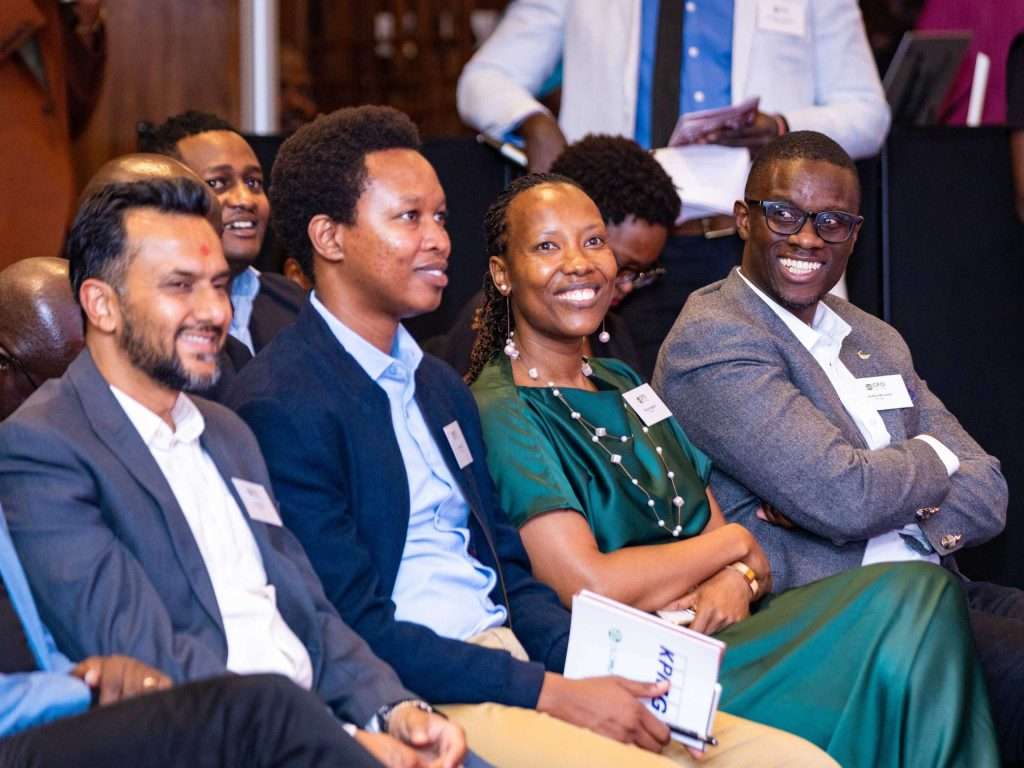
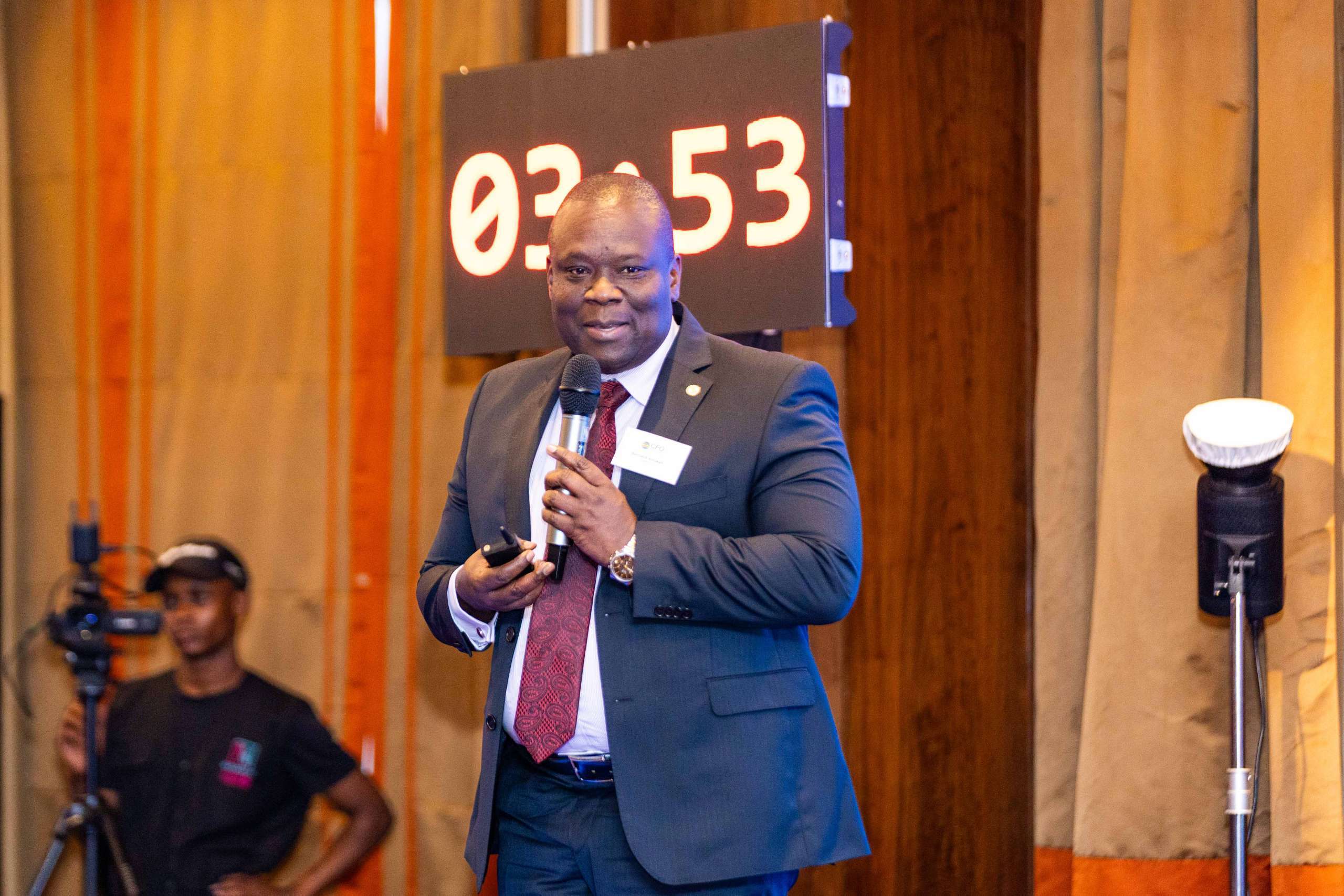
Before an audience of more than 100 CFOs, CFO East Africa’s trusted partners had just four minutes to make their pitches before the buzzer sounded at the community’s first-ever Pitch Parade.
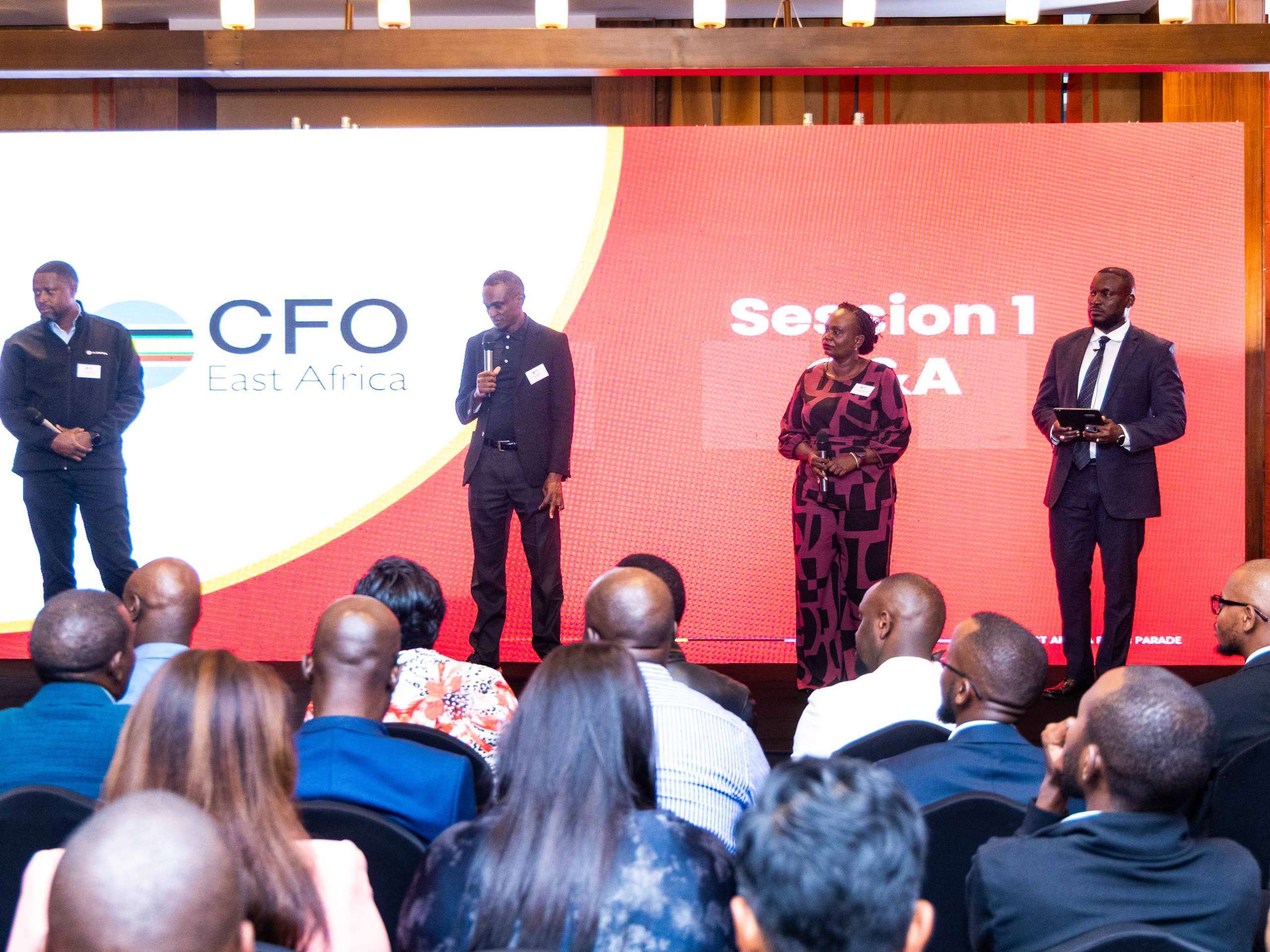
On 16 October, CFO East Africa flipped the script and put its trusted partners in the spotlight for the first time. Before an audience of more than 100 finance leaders gathered at Capital Club East Africa, the partners had four minutes each to make their case before the countdown ended. The ticking clock added a sense of urgency, keeping speakers on their toes throughout the evening.
Ronnie Maina, operations director at TBM Kenya, began by addressing the risks and dependencies behind technology investment. As businesses adopt artificial intelligence, he argued, the quality and governance of their data will determine how useful the technology can be.
“There are three areas of business risk and capital allocation. One, cybersecurity. Two, adoption of AI. Three, cloud. The enabler is data. So your data readiness, your data governance is the foundation for any AI modelling,” he said.
The discussion then moved to the businesses that keep supply chains running, with Everpenrope Muchina, senior manager for MSME at Faulu Microfinance Bank, highlighting the consequences when smaller suppliers cannot fulfil orders. She was joined by Onassis Ndegwa, head of corporate business development at Old Mutual Investment Group, who followed with a pitch on managing surplus cash.
“How do we fund the supply businesses that make your business continue, and how do we ensure that your supply chain keeps on running? Think of a distributor who has an order and is not able to supply. That financing is important because when we do not finance them, your business can suffer,” Everpenrope said.
Keeping the lights on
Collins Ochieng, manager of corporate business at AAR Insurance, then brought the focus to business continuity. He argued that finance leaders need to be involved in discussions about risks that could disrupt operations and affect an organisation’s ability to keep running.
“For CFOs, financial stewardship increasingly means safeguarding business continuity, protecting the balance sheet and sustaining workforce productivity. We don’t relegate the CFO’s role to looking at the balance sheet alone. You have to be at the table to discuss some of these things,” he explained.
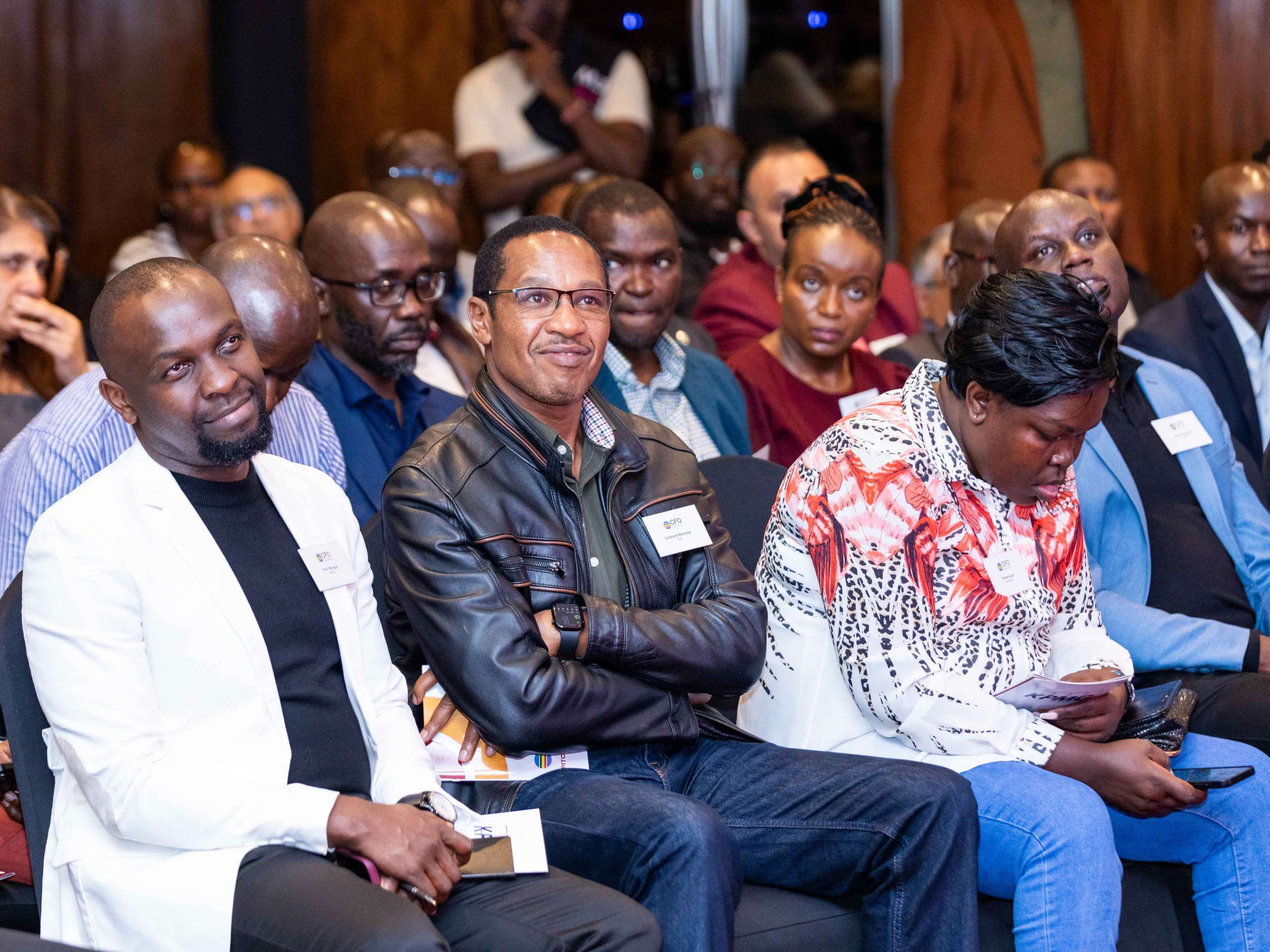
After a question-and-answer session, the second round of pitches began with a look at cash tied up in everyday business processes. Bernard Amukah, partner and head of CFO advisory at KPMG, urged CFOs to identify where money was getting stuck and how quickly they could address the delays.
“The question we are asking today is not whether cash is trapped in the business, but where, how much and how quickly you can fix it. Start with a focused diagnostic in your business to find where you really need to bring down costs and unlock cash,” Bernard said.
Next on stage was Kellen Imanene, growth manager at Old Mutual Thrive, who questioned why organisations assess employee wellbeing so infrequently when it can affect business performance. In her view, annual assessments can leave leaders with information that arrives too late to inform decisions.
“Imagine measuring revenue once a year. Being CFOs, I’m sure this is quite a crazy idea. And yet, this is how we measure wellbeing, which is actually an instrument that impacts revenue. Once a year is too late to act on, and there’s no time for you to see where the money is actually going,” she said.
Painting a bigger picture
Punil Patel, consulting manager at Magnatec Solutions, challenged the assumption that adopting AI automatically gives finance teams better answers, saying the technology must understand the environment in which a business works.
“Every one of you has started using AI to model things faster and get insights from your data. But the thing is, you need AI that understands your business context better. You need something that is governed, with governed financial data and planning models, and gives people answers they can trust,” he explained.
Ashif Kassam, executive chairman of RSM Eastern Africa, asked CFOs to look beyond accounting equity when assessing what their organisations are worth. The value of operating assets and other elements of a business can paint a broader picture than the balance sheet alone.
“People look at the accounting balance sheet and then put a number to it. But the bigger problem is, will you really measure the market value of your organisation? What are your non-core assets, your debts and other liabilities, and what is your equity, which can be much bigger than your accounting balance sheet equity?” he said.
Chasing receipts
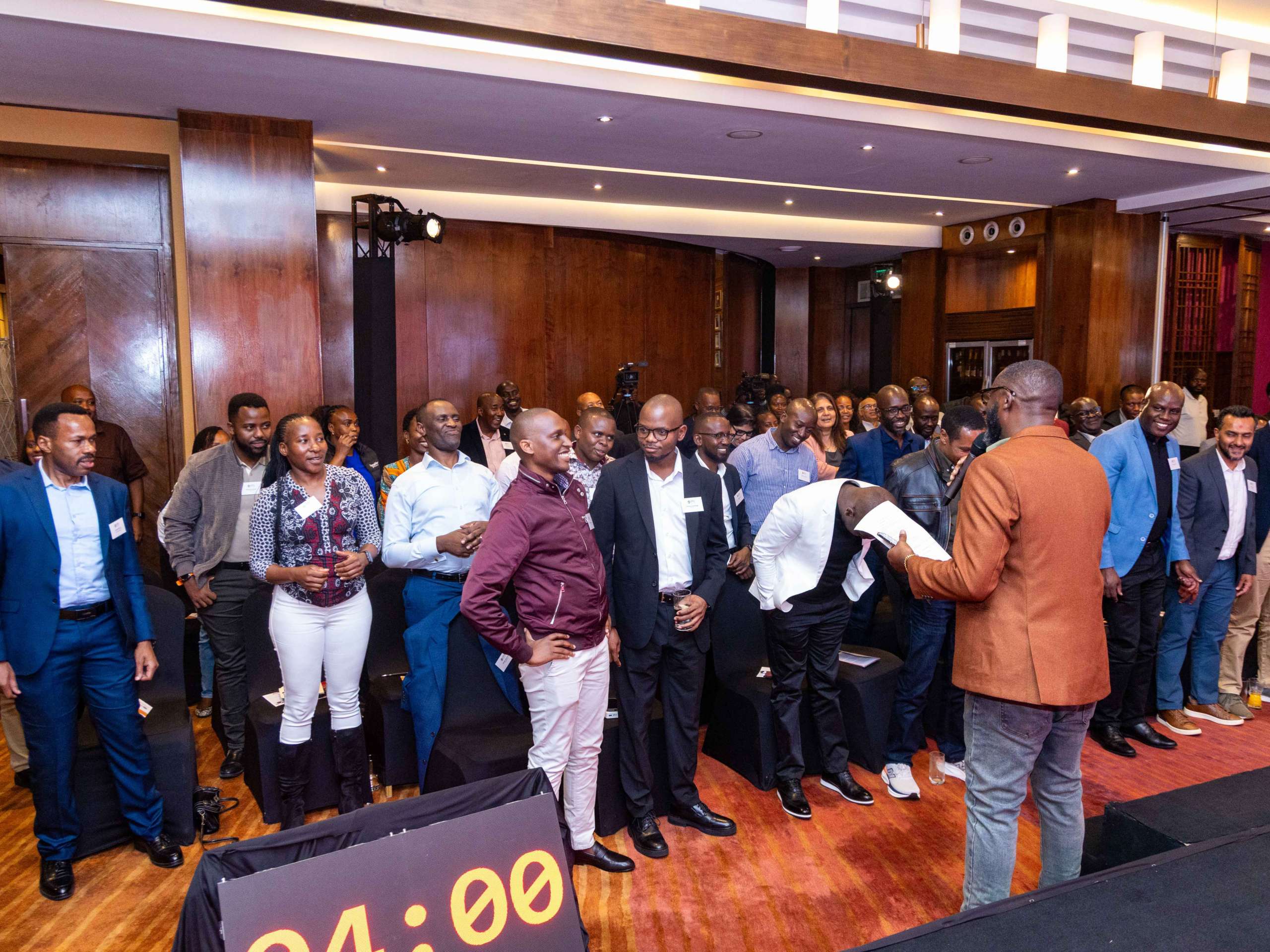
Radio personality and comedian Nick Odhiambo then led a brief stretching break, inviting attendees to spell out “Pitch Parade” with their bodies as the room erupted in laughter.
In the third session, the focus shifted to the workforce. Dorcas Njenga, corporate sales manager at Old Mutual General Insurance, spoke about the role everyday habits play in health, challenging the idea that medical care begins only when someone needs hospital treatment.
“Medical care actually starts from the day-to-day things that we do as individuals. It starts from how we move, how we eat, how we manage our wellbeing and how we manage our financial wellbeing as well,” she went on.
Alphas Sinja, CEO of Boya, tackled the difficulty finance teams face in tracking spending across an organisation. His pitch centred on the importance of knowing how transactions compare with budgets before the end of the reporting period.
“You have spending happening in multiple places and you’re chasing receipts manually. The question is how you tie that spending to your budgets in real time, rather than only knowing at the end of the month what happened,” he said.
The final buzzer
The final pitching session brought the focus back to financial resilience and the workforce. Daniel Thogo, financial risk and forensics manager at KPMG, spoke about the implications of changing banking regulations for CFOs, particularly their responsibility for capital and liquidity planning.
“Capital and liquidity planning has predominantly sat with risk and compliance, but it has now shifted to the CFO’s desk. CFOs need to assess whether they have sufficient capital and liquidity to support their business strategy,” he said.
Diana Gichohi, head of corporates at Old Mutual Life Assurance, made the case for finance leaders to assess employee benefits in terms of retention and governance. The final pitch was delivered by Francis Musyoka, finance director at GardaWorld Africa, who spoke about how technology and data are changing security operations.
“You have to ask whether you are getting measurable value from the money committed to employee protection and retirement. You need to test costs and trends, assess risk and experience, examine retirement outcomes and check whether your governance is clear,” Diana said.
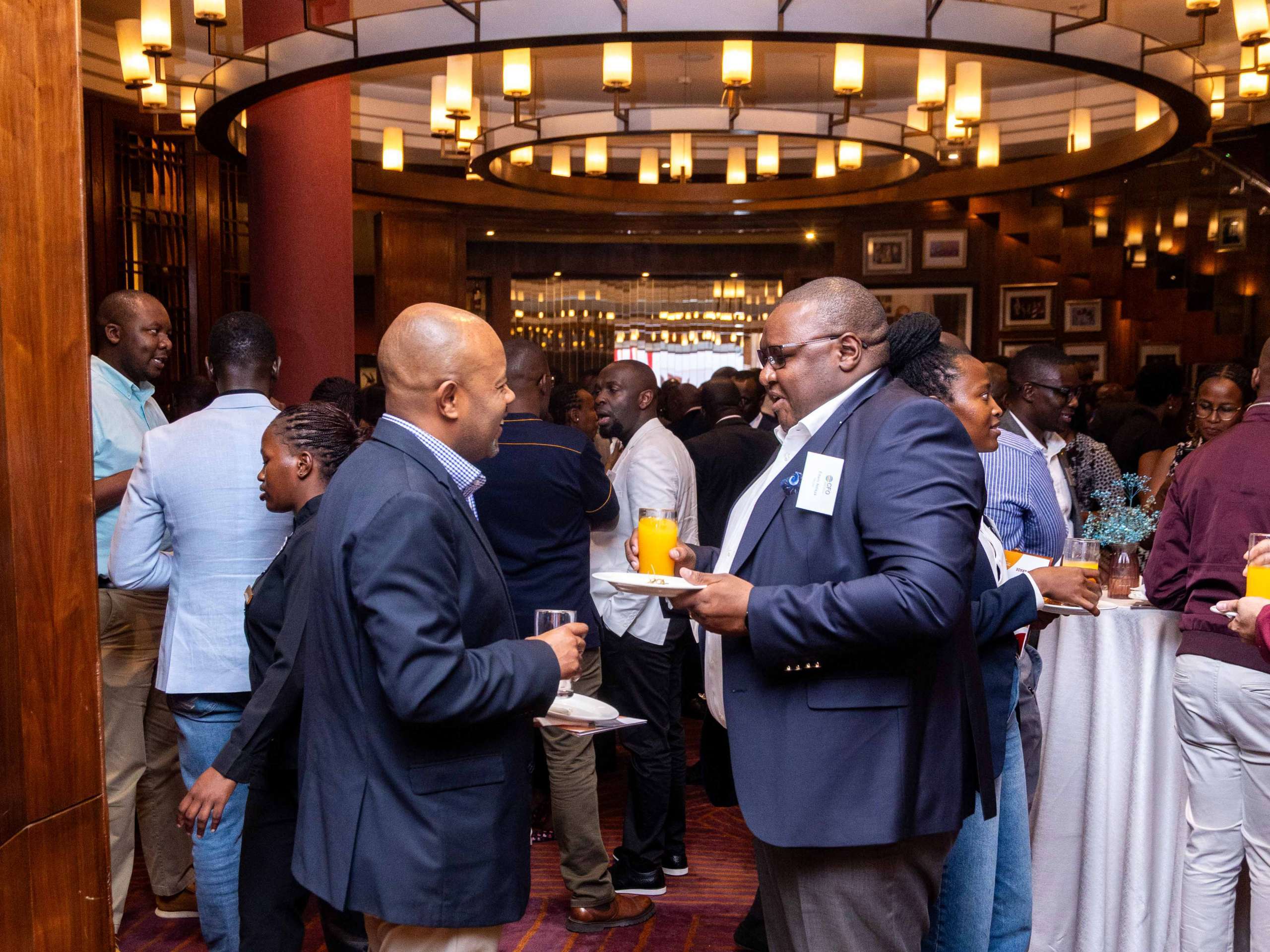
Between sessions, Nick gave the audience a brief change of pace, while a pass-around dinner created space for conversations to continue away from the stage.
When the bell signalled the end of the networking session, attendees returned to the room for the evening’s keynote. Joining remotely, Dr Mark Nasila, chief data and analytics officer at FNB Bank South Africa and author of African Artificial Intelligence, challenged CFOs to look beyond the speed of technology and ask what measurable value it creates for their businesses.
“If you say you are doing things faster, it doesn’t mean you’re creating value because you could just be doing technology, doing things faster, without actually having anything different. You must tell me the nature of the change and how that change has allowed you to use your time to do some other work and create new value, and quantify that value,” he said.
The event was made possible by the support of principal partners KPMG and Old Mutual and associate partners AAR Insurance, Boya, Faulu Microfinance Bank, GardaWorld Africa, Magnatec Solutions, RSM Eastern Africa and TBM Kenya.