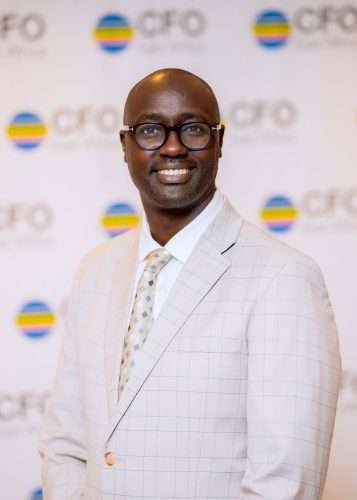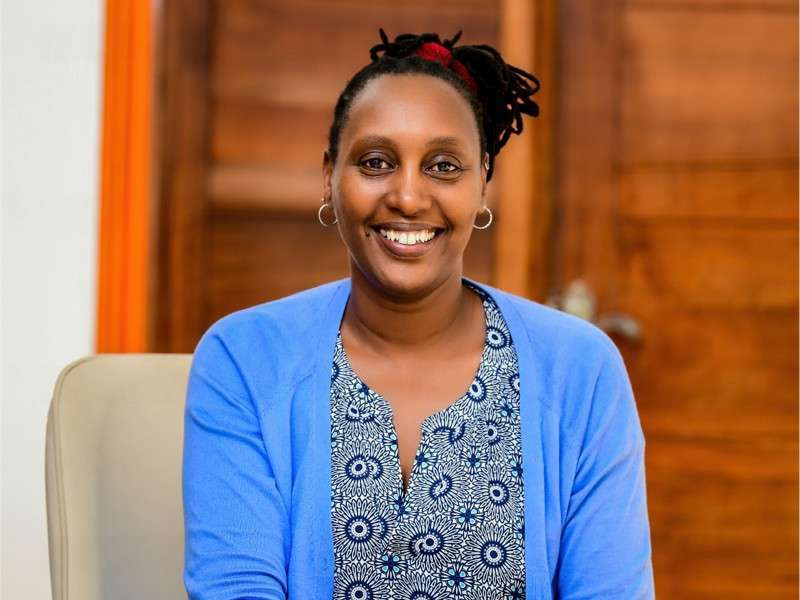
Julian, who is the director of strategy and institutional sustainability at the Institute of Certified Public Accountants of Rwanda (ICPAR), urges CFOs to stay ahead of the curve by continuously seeking new knowledge and expanding their skill sets.
The CFO Awards for East Africa judge emphasises the importance of forward-thinking, encouraging seasoned finance leaders to be resilient.
What excites you most about being a judge for the 2025 CFO Awards for East Africa?
I've been following the CFO forum for a while, and I am quite impressed with their focus on ensuring CFOs excel in their roles. When I first had a conversation with CFO East Africa community manager KC Rottok Chesaina to establish potential collaboration and understand what it takes for a CFO forum chapter in Kigali, it turned out a chapter is due to be launched in March 2025. I also linked it to what we do at the Institute of Certified Public Accountants of Rwanda where we host financial reporting and excellence awards every year which recognises excellence in financial reporting, its complementary and provides another forum for learning and professional exchange hence got me excited to be part of the panel. I was attracted by the thought of being able to make a contribution towards recognising excellence in CFOs.
Which qualities and attributes will you be looking for in the nominees?
Looking at strategic vision is a key thing. CFOs these days are expected to bring a lot of value-addition to their organisations. Looking at adaptability, how do they adapt themselves to changes in the financial reporting sphere? I will also be looking at strong ethical foundations. The CFOs should demonstrate not just financial acumen but leadership skills that inspire teams and drive organisational success.
How do you think the role of the CFO has changed and how do you intend to factor this into the awards evaluation process?
The role of the CFO has certainly changed. These days we even call them chief value managers or chief value officers. The role has increasingly become very strategic, encompassing risk management and digital transformation. So candidates have to be evaluated on their ability to integrate financial strategy with the overall business goals with emphasis on innovation and oversight. CFOs should be business leaders who are able to advise management on the different components of the organisation. How do you assess innovation, and most importantly, how do you leverage the digital transformation and technological tools that are available to drive organisational growth?
How do you intend to ensure fairness and impartiality in the judging process when reviewing the candidates, who come from diverse industries and spheres?
There must be a standardised scoring system to enable us to assess the nominees against the defined criteria. I think it's also important to encourage open discussions among the judges to mitigate biases and consider these diverse perspectives.
How do you think these awards contribute to the finance profession and the broader business community?
The awards celebrate individual achievements and also set benchmarks for excellence in the industry. There is a culture fostered around recognition and innovation, and it helps to inspire others to strive for high standards. And I think that I've seen, for example, in our financial reporting awards, you have one bank excelling today, but because there's also a culture of giving feedback from the judges and the committee that handles the judging process, they provide feedback to both the institutions and the people that handle the financial reporting. So when you come back for the awards the following year, another bank actually emerges as the best. And I think that's something that is very good because then you have that individual pride that you have made a contribution. But you have also set a pace. Even if you left that organisation, this will continue, and whoever comes after you will want to maintain it. This then impacts the rest of the profession.
Share some personal experiences from your own career that you think will bring a unique perspective to the judging panel.
I started out in internal auditing and transitioned into project management and strategy planning, but I've always managed finance departments. If you're in strategy, it gives you insights to the challenges and opportunities that finance people face, The finance function is supposed to be a big part of the organisation. If you take the multinationals and big corporations, the transition has happened. But in smaller organisations, CFOs are still accountants. And I think what we need to really emphasise and advocate and strive for is that they need to look beyond the financial statements. You need to be a more holistic leader.
The role I hold currently is director of strategy and social sustainability, and that brings a different perspective. There is finance, corporate social responsibility, and the different support systems of the institute. If you're going to be reporting at a similar level, it is important to incorporate not just the financial data, but all the other data that is relevant. How do you help the different individuals in the different units to be able to go beyond just their role? How do you make sure everybody understands the latest tools and technologies that can help them do their job? How do you as a finance person think strategically and help the institute look beyond just the figures in the financial statements? For me, that helps in terms of judging because you're not just judging somebody based on one component. The experience I have helps me take a holistic perspective of the nominees.
What advice do you have for CFOs and future CFOs who want to be recognised at the awards level and set themselves apart?
If a CFO wants to really set themselves apart, they need to focus on continuous learning and be able to adapt to changes. Being ethical is also a key component of being a CFO because decision-making should be based on ethics. If you’re an accountant who is not ethical, then you're not an accountant. Many CFOs are also very technical. But soft skills are important for them too. As a CFO, you should be able to communicate the story your financials tell. The data that you have, what story does it tell? Not just in terms of the numbers but even creating a narrative around it.