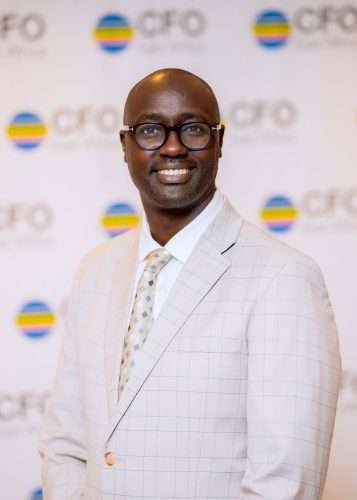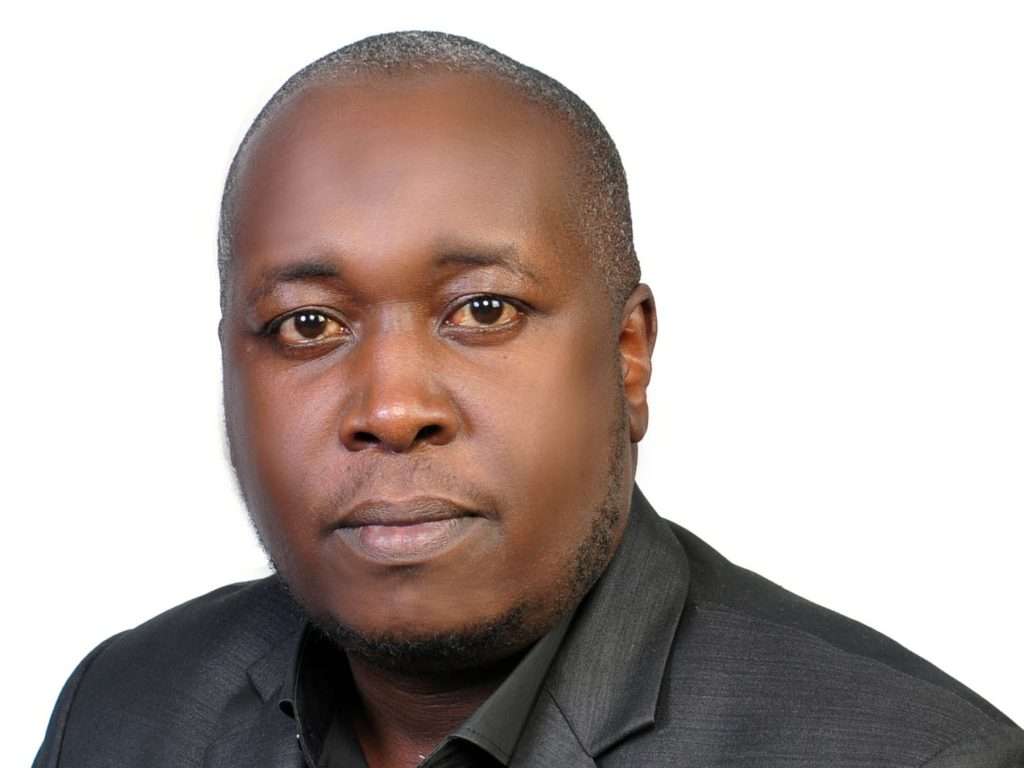
Global Institute of Governance & Sustainability (GIGS) CEO Mkombozi Karake considers himself more African than Rwandan, with a career that spans several sectors and includes a stint at the World Bank.
The seasoned finance executive brings a unique perspective to the 2025 CFO Awards judging panel, encouraging CFOs to venture beyond their technical expertise.
What attracted you to join the panel of judges for the 2025 CFO Awards for East Africa?
I looked through the website and saw what CFO East Africa was trying to do. I believe it's a good opportunity, a platform for people to showcase what they are doing. And as a result, this would inspire other people to also improve what they are doing. And maybe aspire to also put their names up for nomination. So, for me, as somebody who is passionate about the way we brand our professions, I think this is a good way to brand the profession also and attract young people to the profession. So that becomes an inspiration. If somehow my son might watch this somewhere and think being a CFO is a good idea, that's good.
What qualities and attributes will you be looking for in the nominees during the judging process?
First and foremost, I will be looking at their technical expertise, what they have been able to bring on board to their organisations. I would also be very curious to see how they groom their teams, how they impact knowledge, and a good one would be how many leaders you have been able to develop yourself. Of course, looking out for how they are being innovative in their work, how they are using technology, any innovative ways that they are using technology to simplify work, and make themselves more efficient to improve decision making. Very importantly also, how they brand the function, and how they are seen by other departments within the organisation.
Are they real business partners or are they the typical CFO who can say ‘no’, with no explanation? Of course, we are all going into the sustainability space. So, what are they doing to ensure the organisation is becoming conscious of the issues of ESG, the environment, climate, gender balance, and anything that brings in inclusivity? How are you using your position to influence the rest of the leaders to think like that? So those would be some of the things that I would be looking out for as the foundational elements before we go into the guidance that we are getting from CFO East Africa.
You’re going to evaluate diverse nominees for the different categories. How do you ensure fairness and impartiality in the judging process?
For a career in finance, traditionally, people feel you should really have invested a lot of time in the field before you qualify for better things. Now, for us here in Rwanda, for example, we don't have that bias. Maybe because we are a very young country. And when it comes even to women, if you look at even our financial services and our banks, if you look at the CEOs, the majority are women. So, I think what you have done by having diversity in the judges itself, by bringing them from all over, will naturally balance out that bias.
How do you think these awards contribute to the finance profession and the broader business community?
It's always good to recognise people who have done well because it inspires. Once people are rewarded, not only does it motivate them, it also motivates their teams and brings about a bit of healthy competition. If I'm the CEO of an insurance company and the CFO of the year is coming from my rival, I might start wondering ‘how do I invest in ensuring my own people are up to speed to that level?’ It also attracts younger people, who might look up to some of these people as mentors.
Share some personal experiences from your career background that you believe will help you bring a unique perspective to the panel.
I’ve been in three of the Big Four audit firms. I've been both in the public and the private sector. I've been on the internal audit side and on the financial management side. I’ve been a lecturer and also a provider for continuous professional development for people in the profession. I like saying I'm not a typical accountant. I've lived all over. I consider myself more African than Rwandan. So, the diversity of my experiences and my specific passion for the development of professionals of any kind should bring a bit of a unique perspective to the panel of judges.
What do you think are the biggest challenges CFOs are facing today and how do they shape what makes an exceptional CFO?
I think the biggest challenge CFOs face is the constantly changing environment we are working in. How do you build flexibility in the strategies you're developing? And how do you build the person who always anticipates risk and actually identifies it in time before we crash as an organisation? So, you're no longer only a numbers person. You're a person who should be aware of what is going on in your environment. A CFO should be very good at stakeholder management. And maybe I can tell you a story to reflect this.
I met a gentleman who is a CFO of a Fortune 500 company. And he told me, ‘Technically, you can do what I do. As far as the technical aspects go, you should be able to do that. But as far as the stakeholder aspect goes, you do not have the network that I do. Should we need a very quick loan, I know most of the CEOs and CFOs of banks. They can help me get a quick loan’. So, he was hired because of his network. The CFO is now expected to be more outgoing, and not really the person seated in some corner just doing number crunching and anticipating variances.
What advice do you have for future CFOs who want to be recognised at an awards level?
You need to ensure you're continuously learning. Try and build the right teams around you. Try and invest in the right technology. Look out for very good coaches and mentors on this journey. Then ensure you're working in places where you're happy.