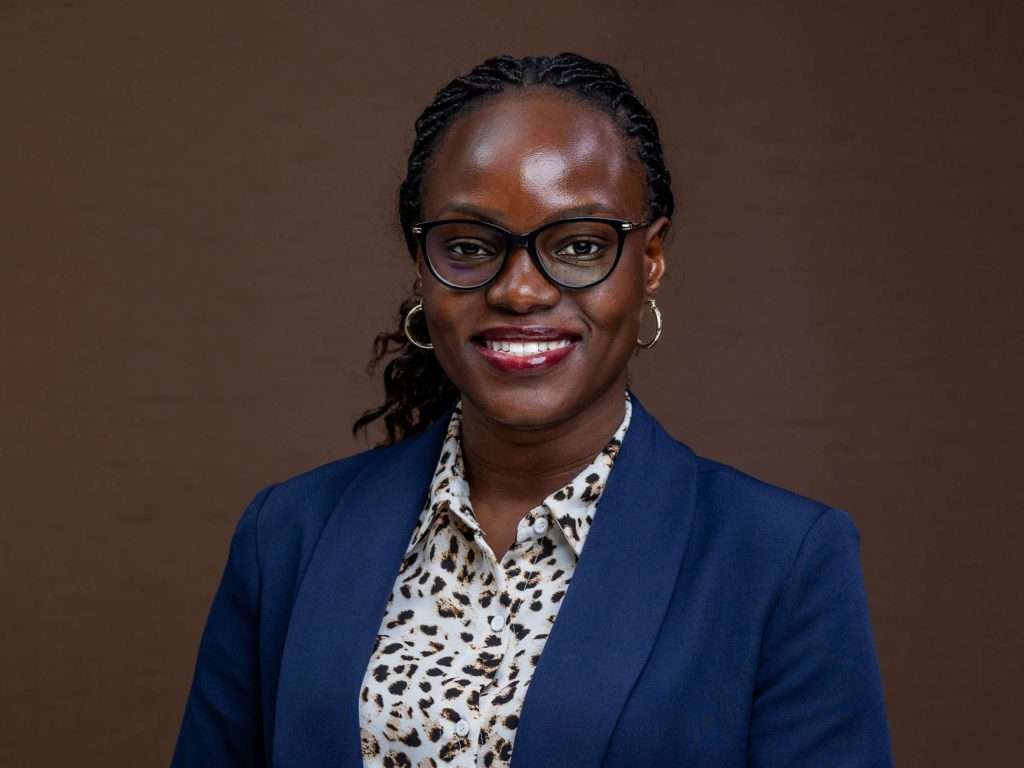
Sonia walked into finance from procurement, took a pay cut to get into development finance and spearheaded a $42 million grant for young women in Uganda's coffee sector. She reveals what the work has cost her and what it has given back.
Sonia Adibaku was in her third year of a procurement and supply chain management degree at Makerere University Business School when she started thinking seriously about what would come next. She needed somewhere to start that would reward her on merit, where the path was clear. Then she saw a poster.
"I came across a poster of KPMG and then later one of PwC. I read about it and said, ah, finance. They gave you all these details of what auditing is all about. They called it the opportunity of a lifetime. I think that was the catchphrase for me. Opportunity of a lifetime. And I'm like, okay, so it opens doors to all these different paths," she says.
The people around her at the time pushed her in the same direction. One mentor pointed to the late Shem Ssemambo, then a sales service manager at Nile Breweries, who had studied something entirely unrelated and transformed an industry. Another pointed to popular Ugandan MC Dr Mich Egwang, who had built a career in a field he had never formally studied after training as a veterinary doctor.
"Once I was in I was like, this is it. The learning curve is so steep. I think that's the steepest learning curve I've ever had in my life. And then the breadth of knowledge is so wide. It's a very live environment. Quite challenging. And if you're someone who gets fulfilment from challenges and from accomplishing tasks and contributing to various sectors and continuous learning, I believe that's the space for you," she says.
She spent almost five years at PwC Uganda. By the time she left, she had reached assistant manager level. Her promotion to manager had been confirmed in all but paperwork, and almost everyone around her told her she was making a mistake. She was leaving for a senior finance officer role supporting both aBi Finance and aBi Development. It was a step down in title and a pay cut, but she took it anyway.
The rigour of commercial finance
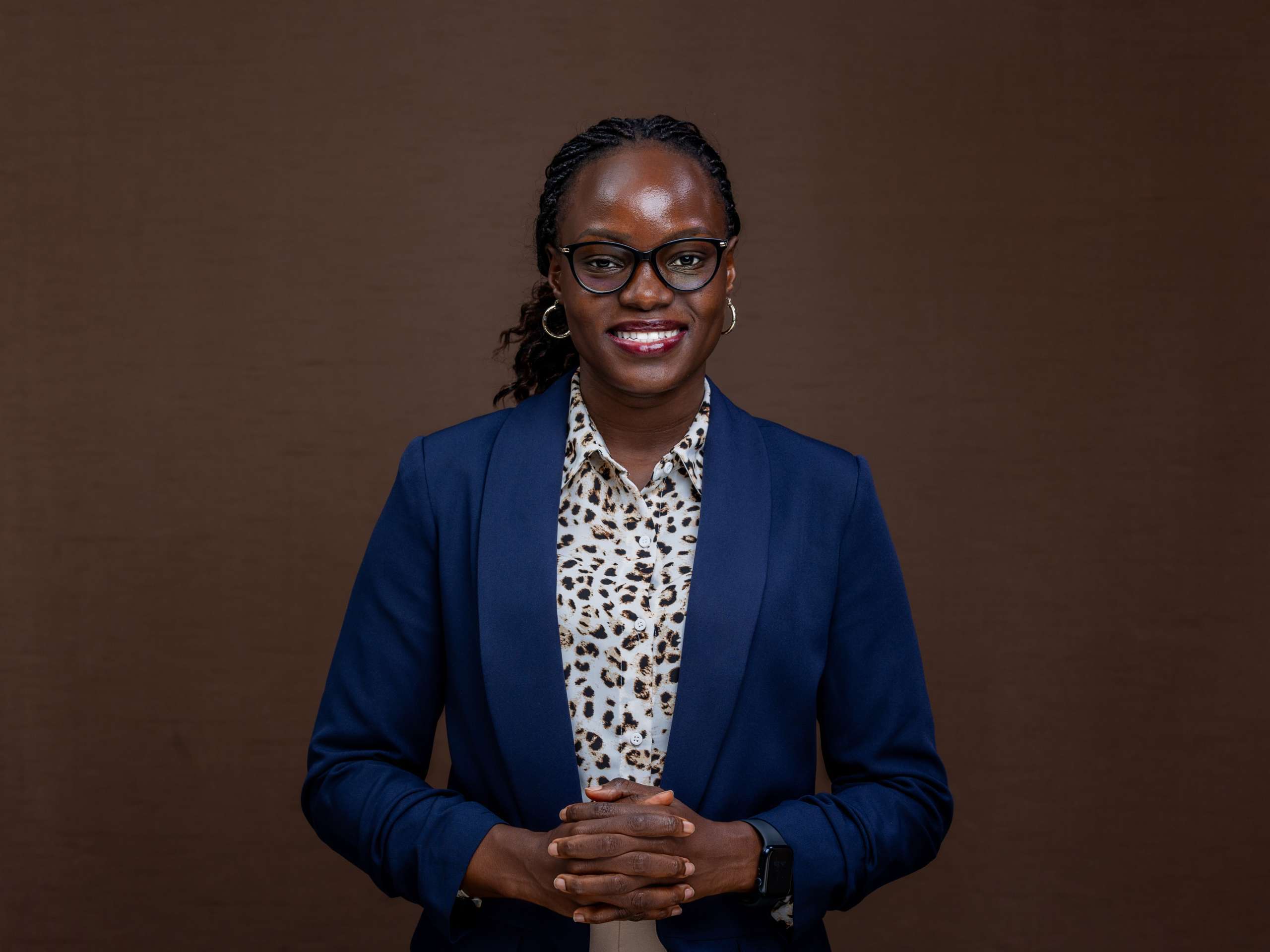
The draw, for Sonia, was the combination. aBi Finance does wholesale lending to financial institutions serving smallholder farmers, while aBi Development runs grants and programmes on the development side. Sonia wanted both the rigour of commercial finance and the reach of development work. Within three years she had been promoted twice, moving from senior finance officer to grants management controller to head of finance.
The achievement she singles out from that period is a $42 million grant from the Mastercard Foundation. The programme was designed to support young women in Uganda's coffee sector and its related value chains. It helps them access work, build income and move into markets they had previously been locked out of. Sonia led the financial aspects of the proposal through a long and grinding process.
"It's something I'd say you put blood and sweat into. Thankfully it did come through. The programme is currently running. We are almost one year in and we're already seeing the change it's going to make in the communities. There are young women out there who have never held Ugx 50,000 and have never even dreamt of it. But such programmes can actually change their livelihoods," she says.
The grants management work brought with it the pressure of ensuring every shilling reaches its intended purpose and has the intended impact on the farmers' lives. Sonia speaks about this with a directness that is striking.
"It's easier to deal with the consequences of doing the right thing than doing the wrong thing. It's easier to live with yourself. And in the finance profession, your choices have a direct impact on the people you serve and the organisation you represent." she says.
A life-altering experience
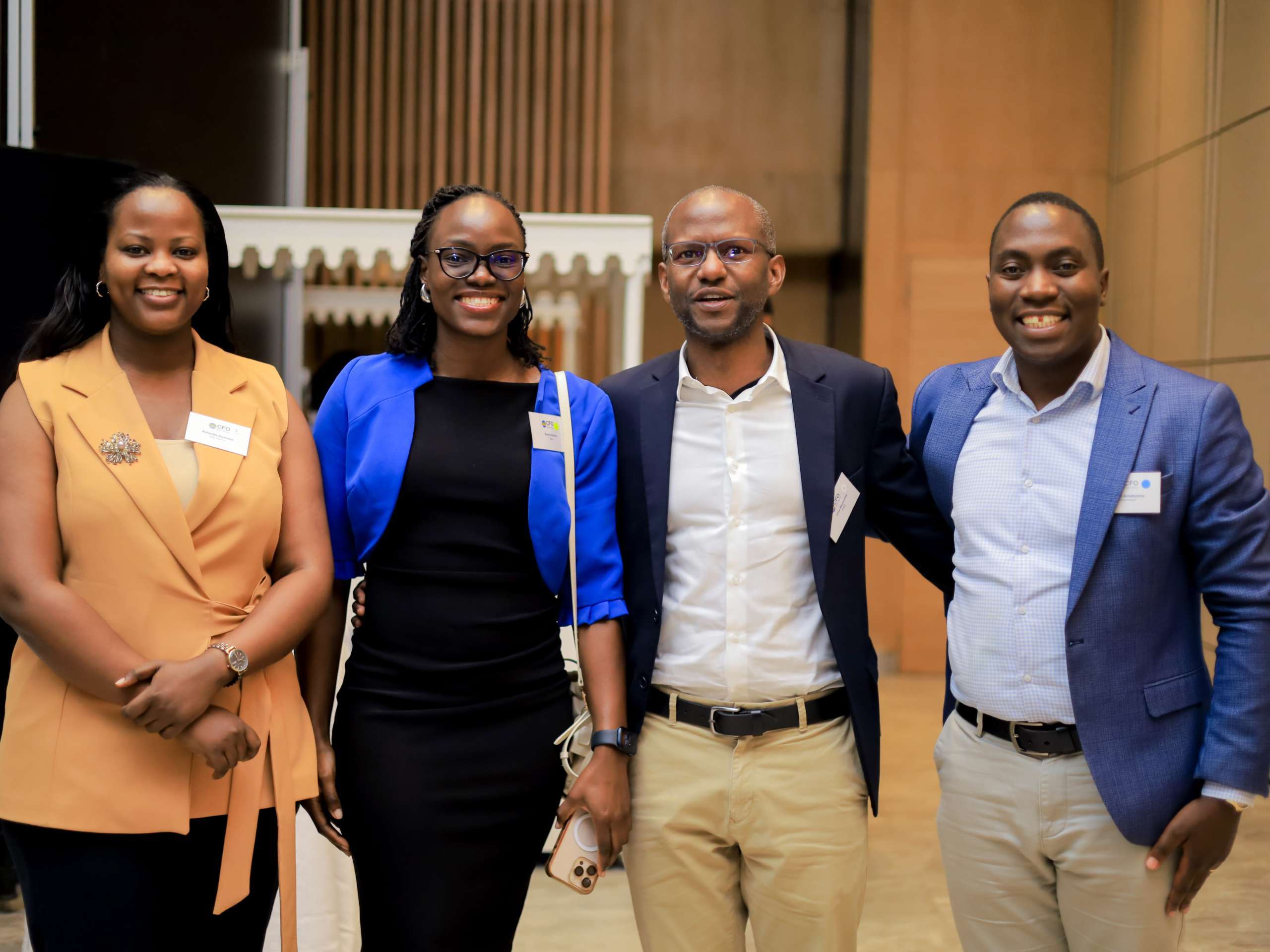
In 2025, Sonia lost her father. He was diagnosed with liver cancer at the end of May and was gone by 2 July. The experience changed something in her that she describes carefully.
"Previously I would think, oh, someone is going through something. But now I always come from a place of empathy. Whatever it is, you don't take it at surface level. You never know what's going on in the background," she says.
A fitness enthusiast, Sonia often trains at the gym. She also reads widely. She has been working through The Boys in the Boat by Daniel James Brown, which has made her rethink the life and investment advice she gives people.
Recently, Sonia accepted an invitation to sit as an advisory member on a board, something she almost talked herself out of before she sent the CV. The pattern of spotting the imposter syndrome and pushing through it anyway is something she speaks about with particular urgency when she talks to younger women in finance.
"When the opportunity presents itself, as women we tend to think, oh, I don't think I can do that, because I lack one, two, three things out of the five or six they need. But you always have to remind yourself that it’s okay. I may not be able to do it right now, but I can prepare myself to be able to do it," she says.
Her advice to young women coming up behind her is to get the technical qualifications, build the soft skills and put themselves in rooms where people can see them.
"Work like you are already at the next step that you're looking at, such that in case the opportunity came, people don't have to overthink it. Their mind goes straight to Sonia because she's been doing all these things," she says.