With over 65 percent of wealth transfers in the region remaining unplanned and a $15 trillion global shift to younger generations on the horizon, the traditional rules of legacy building are changing fast.
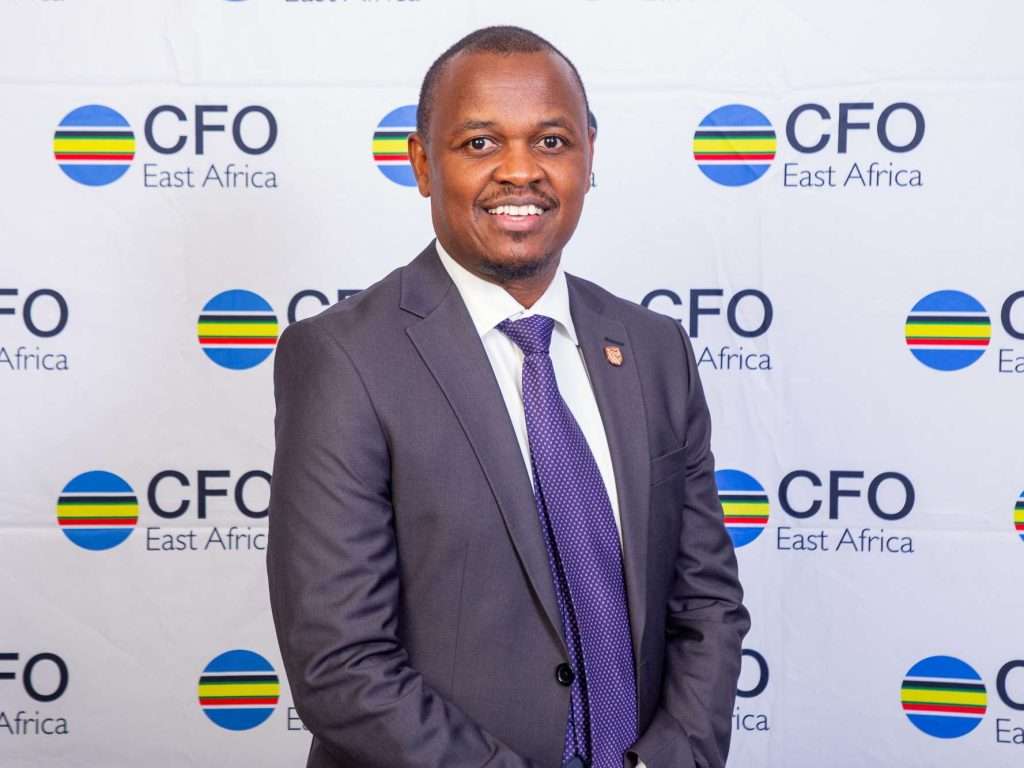
Abraham Ongenge, acting CEO of Stanbic Bank Kenya, explains why enduring wealth requires strategic patience and how leaders can avoid the dangerous trap of lifestyle creep.
Performance is often measured by quarterly or annual results. How can business leaders keep a long-term focus on building wealth that lasts?
Performance indicators are essential, but enduring wealth is built on strategic patience and disciplined reinvestment. Leaders must balance quarterly numbers with deliberate capital allocation to innovation, talent, and sustainability. According to McKinsey, companies with a long-term orientation delivered 47 percent more revenue growth and 36 percent higher earnings growth over 15 years than peers driven purely by short-term targets. The discipline is in resisting the pressure of instant gains while compounding value over decades.
What frameworks or strategies help turn business success into legacies that benefit families and communities?
Legacy stems from embedding wealth into systems, not just balance sheets. The most effective frameworks include family constitutions that align wealth with values, trusts and holding structures to protect assets across generations, and shared-value models where corporate success uplifts communities through jobs, financial inclusion, or education. Globally, we’ve seen families institutionalise philanthropy alongside business to create impact that endures over a century, and locally, African family-owned enterprises are increasingly adopting similar governance models.
With inflation, shifting interest rates, and market volatility, what adjustments are most effective for protecting and growing wealth today?
In inflationary and volatile markets, three adjustments stand out: diversification across asset classes and geographies to reduce concentration risk; a shift towards real assets such as infrastructure, real estate, and private equity that provide hedges against inflation; and active liquidity management by ensuring cash buffers to capture opportunities when markets dislocate. PwC’s 2024 wealth report shows African high-net-worth individuals are increasing allocations to alternative assets and offshore holdings as protection against currency and market swings.
How should executives guide boards and organisations on succession and intergenerational wealth transfer?
Succession is not an event; it is a process of continuity. Boards should treat it as part of risk management. Best practices include beginning to groom successors at least five to 10 years ahead, formalising governance through family offices, wills, and trusts, and using independent advisors to reduce conflict and ensure fairness. The African Wealth Report (2023) highlighted that over 65 percent of wealth transfers in the region are unplanned, leading to an erosion of value, which structured planning avoids.
What is the best way to integrate personal wealth planning with stewardship of an organisation’s financial future?
Executives must align personal wealth resilience with the organisation’s financial health. This requires the separation of personal and corporate assets while using similar principles: diversification, risk-adjusted growth, and governance. There must also be a transparent alignment of interests so that leadership decisions benefit shareholders, employees, and the individual alike. When leaders demonstrate financial discipline personally, it enhances credibility with boards, regulators, and investors.
As ESG priorities grow, how can legacy planning reflect both financial and social impact goals?
Legacy today is measured not just in returns, but relevance, and ESG offers leaders a framework to align wealth with purpose. For example, incorporating sustainability and renewable energy into portfolios protects long-term value and advances climate goals, while embedding governance reforms fosters stability and trust. Reports indicate that over 60 percent of global high-net-worth families now prioritise ESG-linked investments as part of their wealth transfer plans, demonstrating that social and environmental impact are becoming inseparable from financial legacies.
What common mistakes do you see in wealth creation strategies at senior levels, and how can they be avoided?
Three recurring errors stand out: over-concentration in one asset, industry, or geography; failure to formalise succession structures, leaving families vulnerable; and lifestyle creep, which is escalating personal spending that undermines compounding wealth. These can be avoided through disciplined planning, professional advisory structures, and governance frameworks that ensure accountability.
What shifts in legacy planning should finance leaders prepare for over the next decade?
Finance leaders should anticipate digital assets and blockchain-based wealth structures redefining asset classes. They must also prepare for the global mobility of wealth as families diversify across jurisdictions for resilience, and stronger intergenerational influence, as Gen Z and millennials demand impact-driven wealth with an emphasis on climate action, diversity, and digital innovation. By 2030, Deloitte projects that $15 trillion in global wealth will shift to younger generations, fundamentally reshaping what “legacy” means.