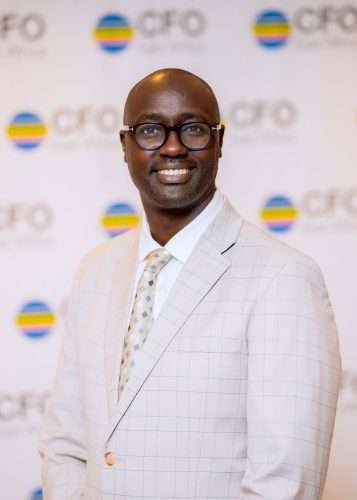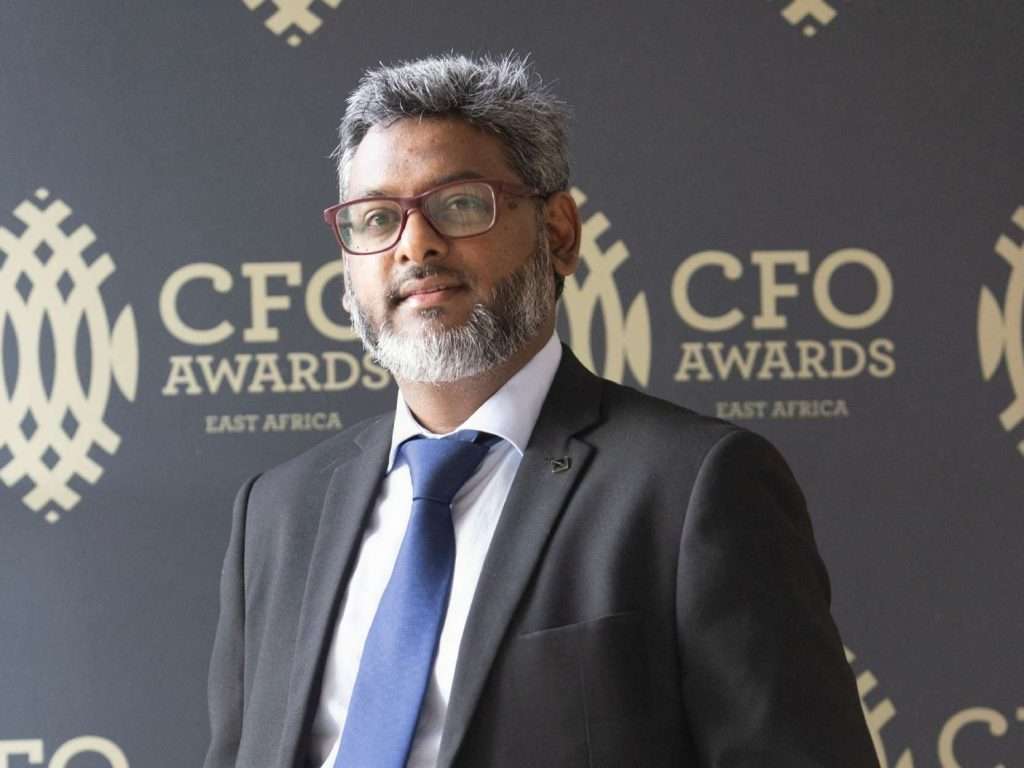
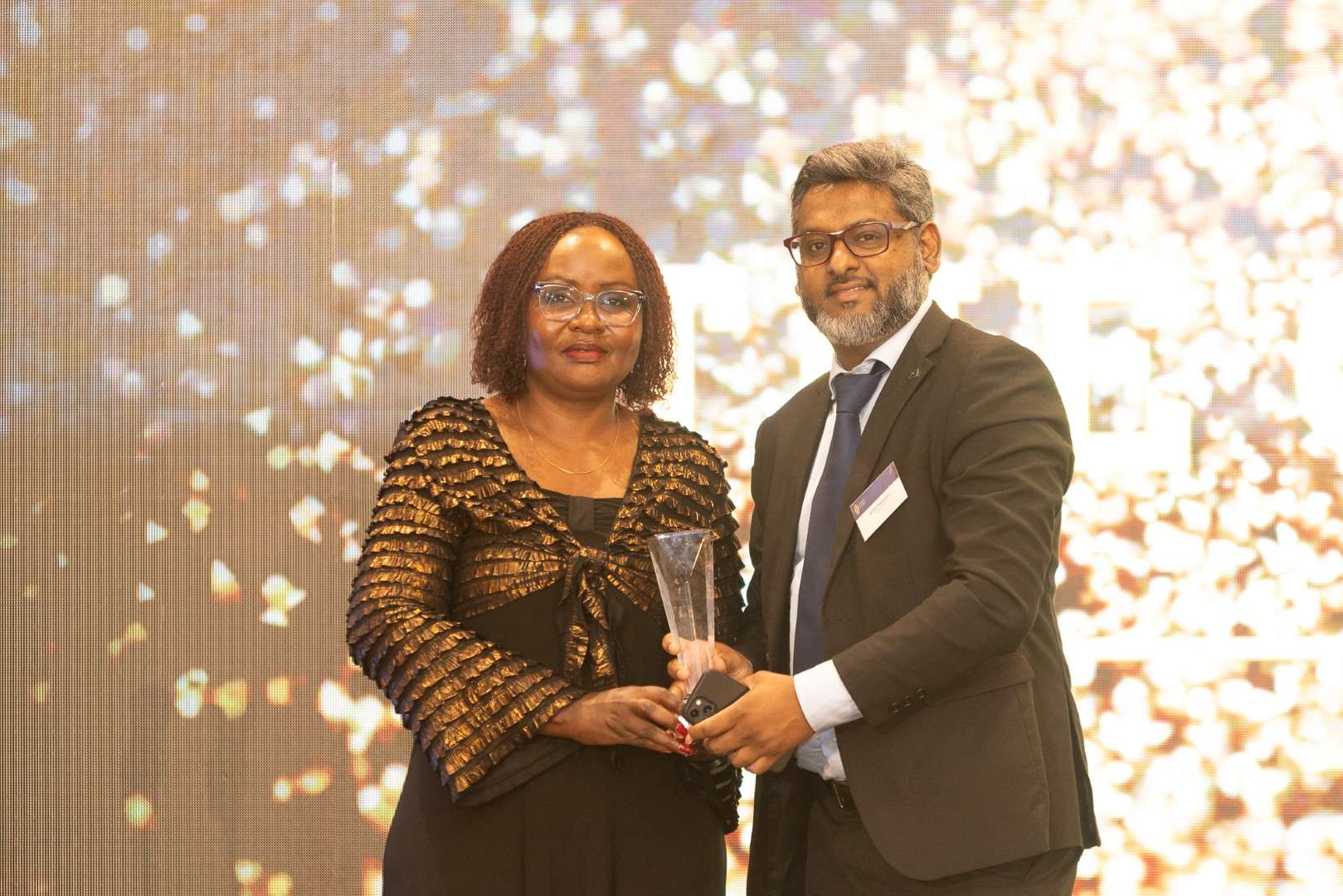
2025 Young CFO of the Year Bilaal Ramjaun was recognised for rrevamping AzamPay’s pricing strategy and restructuring its business model to deliver sustained financial performance. In this interview, he reflects on why leadership at his age has meant holding steady through resistance.
Your award recognises bold changes to AzamPay’s strategy. What mindset allowed you to take those risks so early in your CFO journey?
As a general point, in order to create a viable business, it is critical to draw from learnings from similar businesses across different markets and understand how the various market nuances helped in forging the various business models that exist. Also, at the end of the day, it always comes down to operational cash flow and return on investment.
That being said, Azampay at that time operated 3 distinct businesses: digital commerce, payments processing and a consumer wallet business. Despite the need to demonstrate product fit by gaining traction across each of them, I never lost sight of the key metrics I mentioned earlier, and I always observe how such businesses evolved over time in their respective markets . Exercising cautious and applying thoughtful judgement at every step and opportunity were key. I took some bold proposals to my board and successfully reversed previous board decisions based on data to prevent loss of market share.
Similarly, after pivoting revenue models, it was also necessary to exit from certain investments to safeguard cashflow and revamp our business model. These were difficult decisions and the implementation was even more fraught with adverse sentiments which as CFO, I had to hold the line.
What was the most challenging part of reshaping Azampay's commercial model, and what did it teach you about leadership at your age?
We operate in a very buoyant sector. The market environment has changed considerably over the past few years. Back in 2019, small and medium businesses were trading mostly in cash despite the prevalence of mobile money for over a decade in the country, still trades were conducted mostly in cash. Three years later, such businesses began using mobile money to pay for bills, and now in 2025 - 2026, businesses are paying their suppliers and even employees on their mobile money wallets.
This shows that digitalisation is taking place at multiple levels. And this growth has created a cycle in which more merchants are amenable to accept and use mobile money for business transactions as they do not need to be cashed out. At the same time consumers demand better service, they want to see solutions that fit their needs and solve their problems. As a business, we could foresee these trends ahead of them taking shape, and by then we had proactively positioned the business to already address these emerging trends by adjusting our commercial model, sales strategy, and customer relationship.
Leadership is always a hot and trending topic and often it is seen as having the power, control, influence. But what I have seen in practical terms is that leadership is first and foremost about the foresight I mentioned, and sense of ownership. A lot of what has been achieved thus far is based on the foresight of leaders, and the sense of direction instilled in our people at execution level.
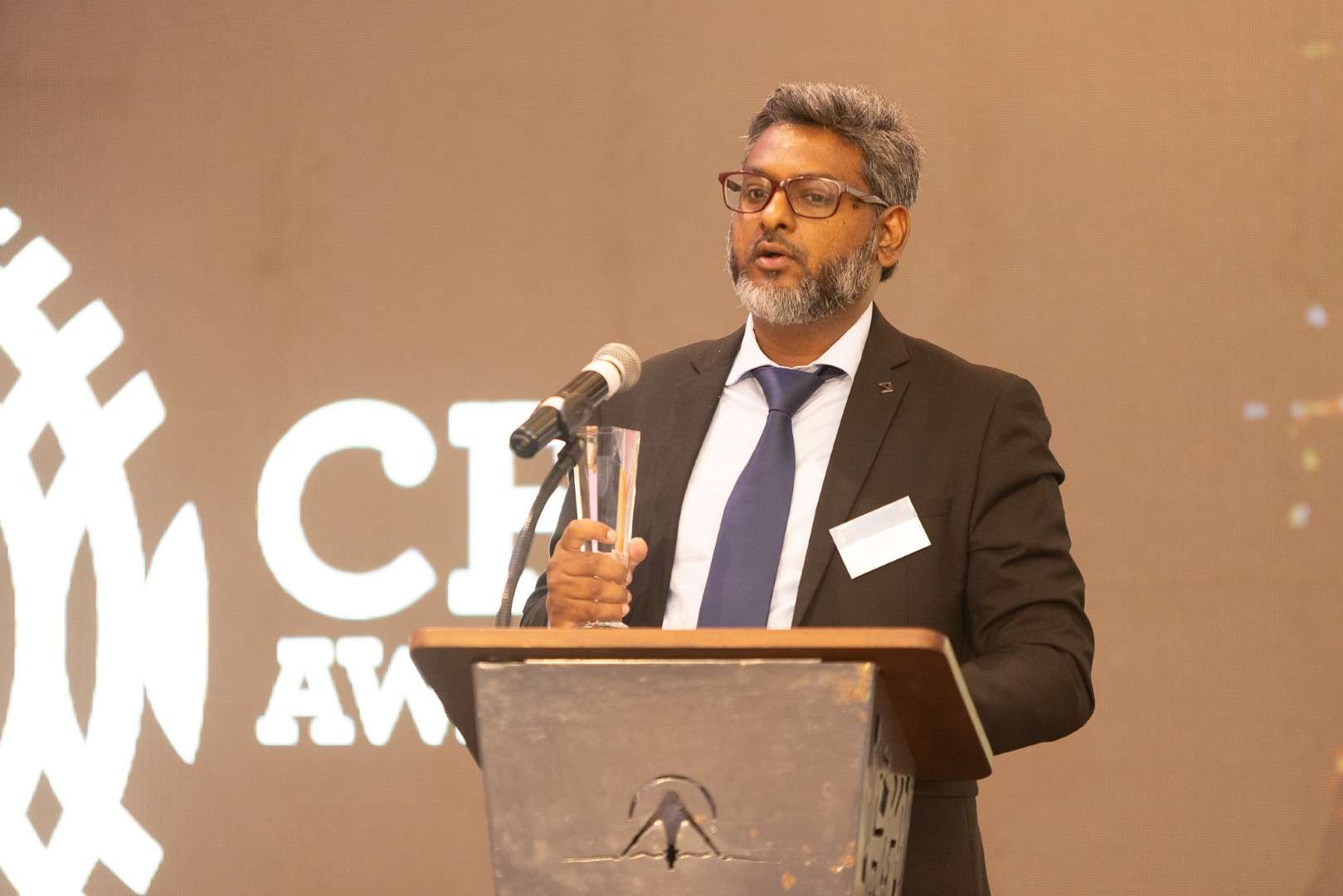
How does it feel to be recognised for your efforts?
My father always says to me: when you do something either you do it well, or don't do it at all. What he means by that is when you do something even if you fail keep doing it and persevere until you do it well. Do not do it halfway, or just for the sake of doing. Do not be another brick in the wall. So I applied this mindset very early on. Like when I pursued my ACCA, I did not embark to just be another accountant out there, but I was already aiming at making an impact.
My first job was at Deloitte, and on my very first day walking through the aisles of Cerne House, I noticed a small A4-size portrait that read: “Deloitte, doing ordinary things, extraordinarily well.” I carry this philosophy everywhere. Whatever I do, whether big or small, I invest myself wholly into it. I own it. So to me, the effort put into the work matters most. Ensuring that the work is serving the purpose it was meant to matter most. The reward or recognition for the work really just validates the entire process. Obviously It is an honor to be recognised for the efforts put in.
As Young CFO of the Year, what message do you hope your win sends to emerging finance leaders in Tanzania?
I learned very early on that the word CFO is not a title. It is an institution within an organisation. To other emerging finance leaders, the earliest they recognise this and embrace its meaning the more impactful they become very early on. As I transitioned from head of finance and compliance to CFO and then Group CFO over the past 15 years, I saw my scope of impact broadening without realising.
In a fast paced organisation like AzamPay, I often found myself connecting moving pieces, whether it is about engaging with the product team, debating IT strategy with the CEO and CTO, applying artificial intelligence constructively, paying attention to the construct of legal documents and legal languages, managing investor preferences, stakeholder expectations, and all of a sudden it is no longer just about numbers to the nearest shilling anymore.
You should be ready for it even if it touches on your insecurities. My win is largely attributed to staying level headed, going full in when I have to, being self aware to know who to pull in and out working together to get the result I need.
AzamPay operates in a fast-moving fintech space. What breakthrough or shift in digital payments are you most anticipating in 2026?
I see democratisation of payment as a long sought but now emerging thing as payment channels become interoperable. I also expect to see network operators who have up to recently been fierceful in wall-guarding the USSD network to gradually start allowing the use of this utility by digital payment providers at a much fairer price.
I think interoperability and regularisation of USSD access are two fundamental elements that will drive value addition in financial services. As a matter of fact, Tanzania is one of the first markets of the region which allowed payment channels to be interoperable. Unlike Interoperability however, regulating USSD access has been largely delayed and I can definitely understand why so. I expect positive developments in this area in the near future. In many markets, this is already a reality. Tanzania will be no exception.
What personal or professional milestone are you hoping to achieve in 2026?
I am very passionate about what I do, and that being said, I take work very personally. Over the past year I have been spending quite a bit of time on Azampesa, the only sim-independent mobile money wallet in Tanzania. One of the things we are all aiming for is to get azampesa to become a household name in Tanzania and beyond. There are a number of things to happen to make this a reality, and interestingly, a good number of this will happen in 2026. Our customers and partners would be overwhelmingly delighted. I am personally invested in making this happen.