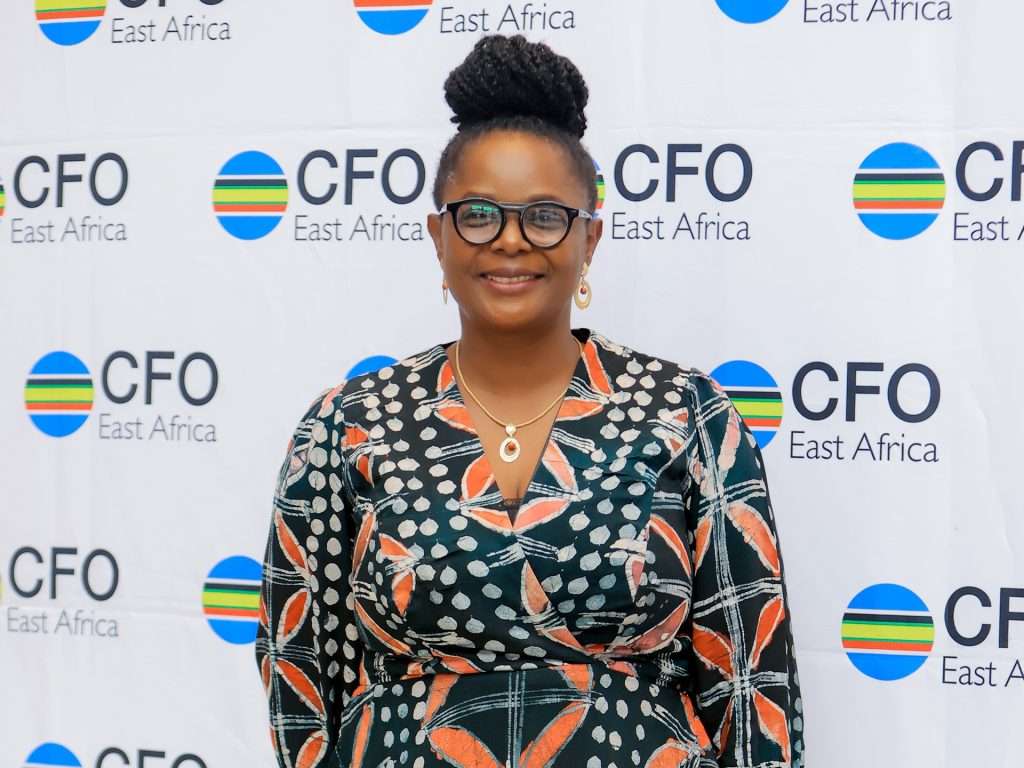
Beiersdorf finance director Funlola Pearce draws on a foundation in electrical engineering. She shares some insights on how non-linear careers can be a powerful force for innovation in finance.
How has your background in electrical engineering influenced your approach to financial leadership and strategic decision-making at Beiersdorf?
My background in electrical engineering has had a profound impact on how I lead in finance. Engineering instilled in me a structured, analytical approach to problem-solving, one that emphasises systems thinking, efficiency, and long-term planning.
These principles have been particularly valuable in financial leadership, where strategic decisions often have ripple effects across multiple business functions. I approach financial challenges not merely as numbers to manage, but as complex systems to optimise. This mindset has enabled me to contribute to Beiersdorf’s strategic agenda with clarity and a forward-looking perspective.
What specific skills or perspectives from your engineering training have proven most valuable in your role as finance director?
Several skills from my engineering training have proven consistently valuable in my role as finance director.
First among them is the ability to analyse large volumes of data methodically and draw insights that inform business-critical decisions. Engineering also equipped me with a process-orientated mindset, which has helped in designing and implementing financial systems and controls, and also in revamping existing “inefficient” processes.
Furthermore, the discipline of root-cause analysis, which is a core engineering principle, has been instrumental in addressing financial performance issues at their source, rather than treating symptoms.
Share the challenges you faced transitioning from engineering to finance, and how you overcame them.
The transition from engineering to finance wasn’t without its challenges. Initially, I had to build credibility in a field where I didn't have a traditional background, and that meant investing time in developing strong financial acumen, earning professional qualifications, and continuously learning from mentors and peers.
I also had to overcome the mental shift from product or technical metrics to business and financial KPIs. What helped me navigate this was my ability to learn quickly, ask the right questions, and bring a unique problem-solving perspective that, I would say, differentiated me in financial discussions.
How do you leverage your diverse background to drive innovation and cross-functional collaboration within the organisation?
My diverse background spanning technical training and roles in various finance verticals (commercial, category, supply chain, controlling, etc.) across various African markets has positioned me well to bridge functional and cultural divides.
I am often called upon to facilitate alignment between finance, operations, and commercial teams, ensuring that financial goals are clearly understood and operationalised. This cross-functional agility allows me to foster innovation by encouraging diverse perspectives, challenging assumptions and identifying opportunities that might otherwise be overlooked. It also strengthens collaboration, as I bring an understanding to the needs and priorities of different stakeholders.
In what ways has your non-traditional path shaped your views on leadership development and talent management in finance?
My non-traditional career path has deeply influenced my philosophy on leadership and talent development. It has reinforced my belief that excellence in finance is not confined to those with conventional qualifications or linear career trajectories.
I am committed to identifying and nurturing talent based on potential, critical thinking, and adaptability, not just technical credentials. I also advocate for creating pathways that allow individuals with diverse backgrounds to thrive in finance. In doing so, we not only broaden the talent pool but also foster a more inclusive, dynamic and innovative finance function.
What advice would you offer to professionals from technical or non-financial backgrounds aspiring to move into finance leadership roles?
To professionals with technical or non-financial backgrounds aspiring to transition into finance, my advice is threefold. First, embrace continuous learning. Build your foundational understanding of finance and stay curious about the business.
Second, trust the value of your existing skill set. Analytical rigour, problem-solving, and systems thinking are highly transferable and deeply relevant in financial leadership.
Third, seek out mentors and advocates who can guide your journey and create opportunities for cross-functional exposure. Your path may be unconventional, but that uniqueness can be a powerful asset if leveraged intentionally.