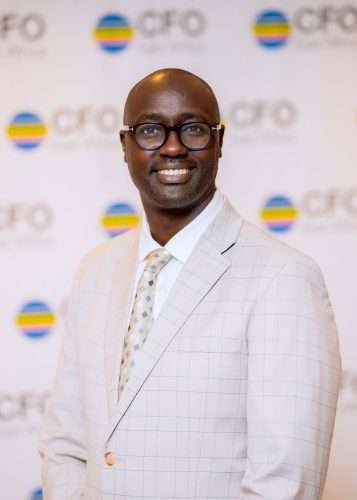
Stanbic Bank posted a Ksh 6.5 billion profit after tax for the first half of 2025, a nine percent year-on-year decline amid lower interest income and low FX activity. Chief finance and value officer Dennis Musau aims to lift performance in the second half by increasing lending volumes and using recent investments to generate higher returns.
Stanbic Bank began 2025 in a markedly different environment from the previous year. Interest rates fell steadily from mid-2024, reducing lending margins. Meanwhile, the shilling stayed near 129 to the dollar for months, which slowed foreign exchange trading. Across the banking sector, net interest income rose slightly in the first quarter as funding costs fell, but non-interest revenue dropped because of lower FX income. Loan growth was flat across the industry and deposit growth slowed to four percent, which Stanbic’s chief finance and value officer Dennis Musau said signalled a weaker environment for the bank’s results.
“The scene in which the results are set can be described in many ways. There are opportunities that come with that, but there are challenges that when you do not have, it impacts our lending rates and also impacts the cost of funding. That is part of the scene in which the results are set. The other part is the steady fall in interest rates, which has also influenced both lending and funding costs,” he said.
Stanbic’s assets closed at Ksh 474 billion, five percent below the same time last year but four percent higher than at the end of 2024. Loans to customers rose slightly to Ksh 233 billion, in line with a small recovery in private sector credit growth to two percent. Deposits fell year-on-year but were up four percent in the half as the bank reduced expensive term deposits.
“We are very happy to report a sub-ten percent NPL ratio at 9.5, slightly above the 9.44 reported at the same point last year. We are looking to continue watching that number and move it towards our strategic target of below nine percent. Liquidity and capital have remained resilient despite the dividend payout,” Dennis explained.
The bank’s net interest income fell six percent as gross interest income dropped 24 percent, following a cut of about 500 basis points in average lending rates. According to Dennis, this was a direct response to customer demand for cheaper loans and could help the bank grow its volumes.
“Our strategy on being transaction heavy and transaction led is starting to pay off. Fee and commission income increased by nine percent in the first half despite challenges in FX trading. This shows the benefit of diversifying revenue sources,” he said.
Sustainable growth
In the first half, Stanbic’s operating expenses rose 16 percent from a low base in 2024 because of investment in staff, customer channels and digital systems. Dennis revealed that these were planned costs that would help the bank earn more in future. He pointed to the upgrade of the core banking system and improvements to the mobile app as examples.
“Investing in our people, in channels that serve our clients and in improving risk management is not bad. What we want to do is ensure we optimise the investments we have made. We need to extract more earnings and greater return from them. That is the path to sustainable growth,” he said.
The bank’s asset quality stayed strong, with credit impairment charges down 26 percent from last year and the credit loss ratio at 1.2 percent, already meeting the 2026 target. Dennis linked this to making careful loan decisions and staying close to customers to resolve problems early.
“The relationships we have with our clients and how we assess risk at the start of the lending arrangement are very important. We stay with a client, talk to them and help them navigate difficulties. When things go wrong, we look for solutions that work for both sides. This approach supports our credit quality,” he said.
Momentum for 2026
Growth in the bank’s other businesses also helped offset weaker earnings from lending. Bancassurance income rose by almost half, and SBG Securities grew by about 60 percent because of more activity in shares and bonds and the launch of Stanbic’s new asset management business. As Dennis stated, these results showed the value of broadening the bank’s income streams.
“This speaks to our strategy of continuing to diversify our offerings to our clients and to increase our surface area of earnings. The progress at SBG Securities and Bancassurance shows the value of having multiple business lines. These gains helped offset some of the pressure on the bank’s interest income. We will keep building in these areas,” he said.
In the second half, the bank intends to use lower pricing and recent investments to grow its balance sheet. Dennis expressed optimism about expanding lending in manufacturing, agriculture, and affordable housing finance with the goal of reducing the profit decline and building momentum into 2026.
“It was a slow start to the year, and in January private sector credit growth was negative. I do hope, when we speak to the investors next, we will have brought down that negative more significantly. We can only prosper by making more earnings or converting the investments we have made into earnings. We want to continue showing resilience and growth and serving our customers,” he said.