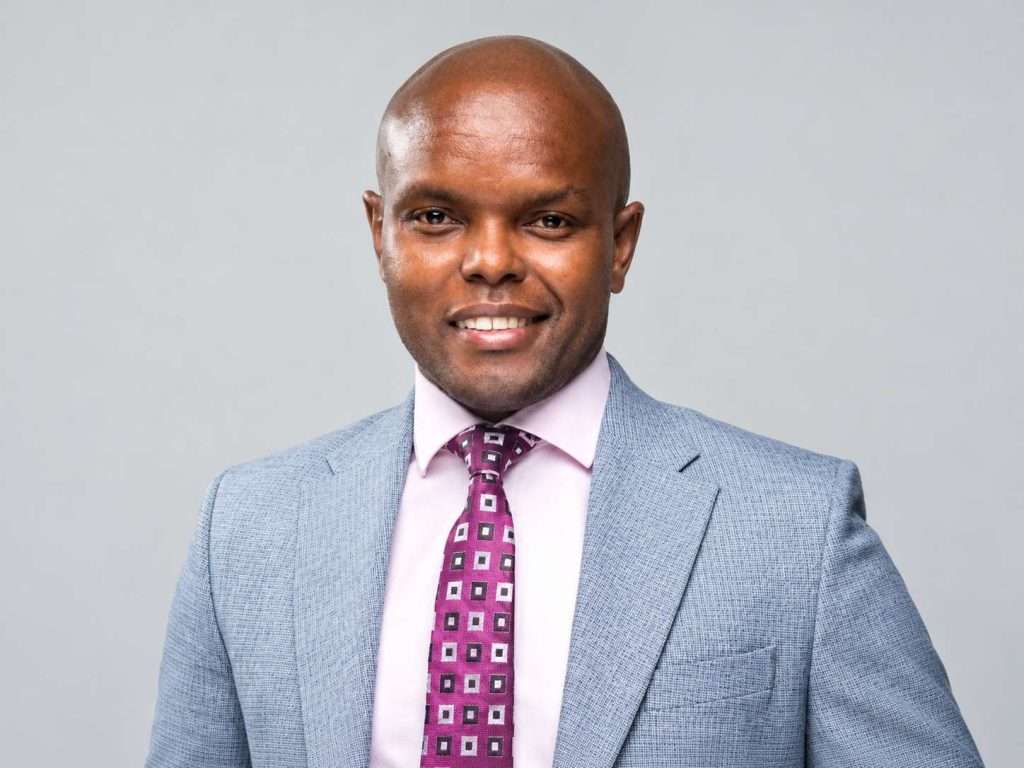
Dr Mark Nasila, chief data and analytics officer at First National Bank (FNB) South Africa, says CFOs must define the business value of artificial intelligence before committing capital, then measure whether the promised gains materialise.
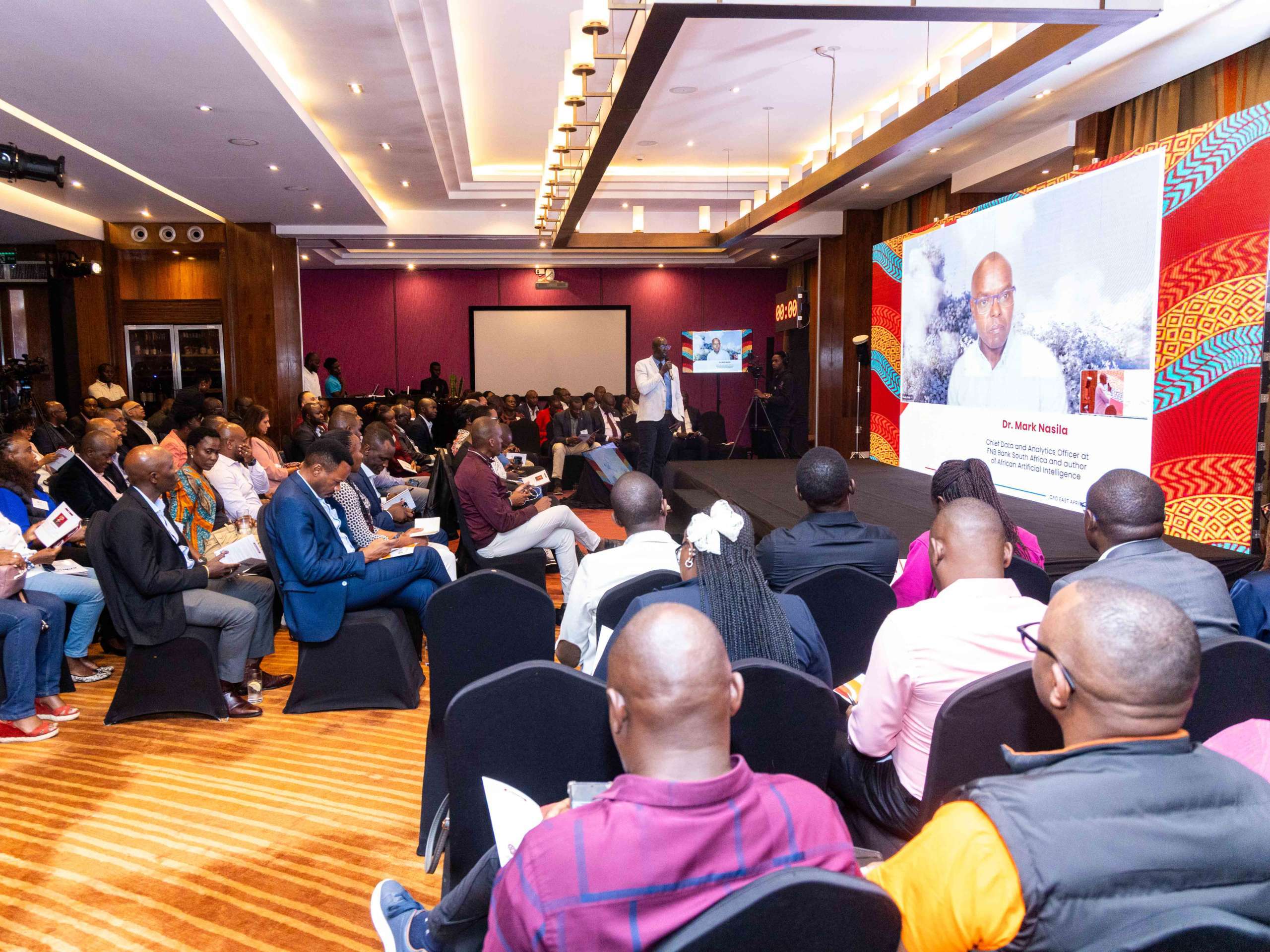
Artificial intelligence can accelerate work without improving business performance. According to Dr Mark Nasila, chief data and analytics officer at First National Bank (FNB) South Africa, the distinction matters increasingly as companies move from experimenting with AI to investing in it. While delivering the keynote remotely at CFO East Africa’s Pitch Parade in Nairobi, the author of African Artificial Intelligence stated that finance leaders must help decide what the technology is expected to deliver before money is committed.
“If you say you are doing things faster, it doesn't mean you're creating value because you could just be doing technology, could be just doing things faster without actually having anything different. So how do you repurpose that capacity to other areas? The definition of success criteria is important, and it gets overstated from an algorithmic perspective,” he said.
The measure of an AI investment, he explained, lies in what changes after it is introduced. Time saved is of little use if employees cannot use that capacity elsewhere or if the business sees no improvement in its results. CFOs can help connect technology spending to those outcomes and assess whether the expected returns justify the cost.
“The CFO is well placed to articulate and measure that promise before organisations put in money. Now, there's a paper that was published by Tom Davenport, who clearly stated that organisations that put the CFO at the centre of their strategy, AI strategy from the onset, are 76% likely to realise value,” he said.
Mark pointed to what he described as widespread failures in AI initiatives, attributing them partly to inflated expectations and insufficient financial discipline. He argued that CFOs should be involved from the outset, including when organisations are testing ideas, so they can assess the full cost of ownership and stop projects that are unlikely to deliver. He also warned against decisions based on gains that have yet to materialise.
“It's okay to start something, and the CFO can say, ‘Guys, the expenditure at this point in time is too much. Let's abandon it. We're not going to get this value’ because CFOs have got financial acumen and discipline to call a project out and ignore it,” he went on.
Outcomes vs activities
For that judgement to be credible, organisations need a clear picture of performance before introducing a new system. Mark explained that baselines allow finance teams to compare results against an established starting point, rather than relying on metrics that make an investment look successful. He also warned that the contribution of employees is often underestimated when companies calculate what AI can achieve.
“One, stop focusing on activities and focus on outcomes. As an example, it doesn't help transcribe 1000 meeting minutes and tell people, guys, I just use this AI to do this. You must tell me the nature of the change and how that change has allowed you to use your time to do some other work and create new value and quantify that value based on tasks that are being done,” he said.
His focus on financial accountability was the premise of his wider argument about Africa’s place in the development of AI. As Mark revealed, he began following big data and AI around 2009, then became convinced during a 2018 visit to Silicon Valley that the technology could help organisations and countries address major economic and social problems. This made him examine how African businesses could develop their own approach instead of passively adopting technologies built elsewhere.
In African Artificial Intelligence, he explores what he calls an African AI identity, including the strategic decisions needed to make adoption work. He said leaders need to pay attention to technology strategy alongside regulation and ethics, talent and change management. For CFOs, that means judging AI by the business transformation it enables rather than the sophistication of the technology itself.
“The value of AI comes from what you do with it and how much you do with it. It's not a plug and play. The issue is that every time we acquire these technologies, there is a gap between the potential we have and what that technology can do,” he said.