In today’s business environment, leadership is increasingly measured by influence, adaptability, accountability, and the ability to shape culture in uncertain times. For senior leaders navigating economic transformation, technological disruption, and evolving stakeholder expectations, leadership has become a strategic asset rather than a functional role.
As organisations across Africa pursue growth and resilience, a central question emerges: what kind of leadership will define the next decade of success?
Leadership is ultimately reflected in the actions and behaviours of the team, and titles alone do not make leaders. Effective leaders inspire alignment, build trust, and mobilize people toward a shared vision.
Modern leadership is also shaped by perception and context. During the Africa Forward Summit in Nairobi, French President Emmanuel Macron’s interruption of a disrupted session sparked debate. Some viewed it as decisive leadership that restored focus, while others saw it as tone-deaf. The moment highlights a key reality: leadership is judged not only by intent, but by emotional intelligence, context, and perception.
For finance leaders and executives, this underscores the growing importance of soft power—communication, building trust, empowering teams, and influence alongside technical expertise.
Leadership theory has evolved significantly over the years, moving from personality-based assumptions toward more relational and adaptive models (Liden, Wang and Wang, 2025). The trait approach emphasises personal qualities such as confidence and charisma, the behavioral approach focuses on what leaders do, the contingency approach highlights that effectiveness depends on context; and the relations approach stresses trust, collaboration, and engagement. Together, they show that as a leader you must continuously adapt.
Good leadership models
Among leadership models, transformational leadership remains one of the most effective for long-term change. It focuses not just on performance, but on culture, mindset, and vision.
A strong example is Mikel Arteta’s leadership at Arsenal Football Club. Arteta taking over during a period of instability, rebuilt the club around discipline, unity, belief, and accountability. Over time, this cultural reset translated into improved performance, including Football Association Cup (FA Cup) success in 2020 and a 2026 Premier League champions victory. His journey demonstrates a key principle: great leaders shape culture before results.
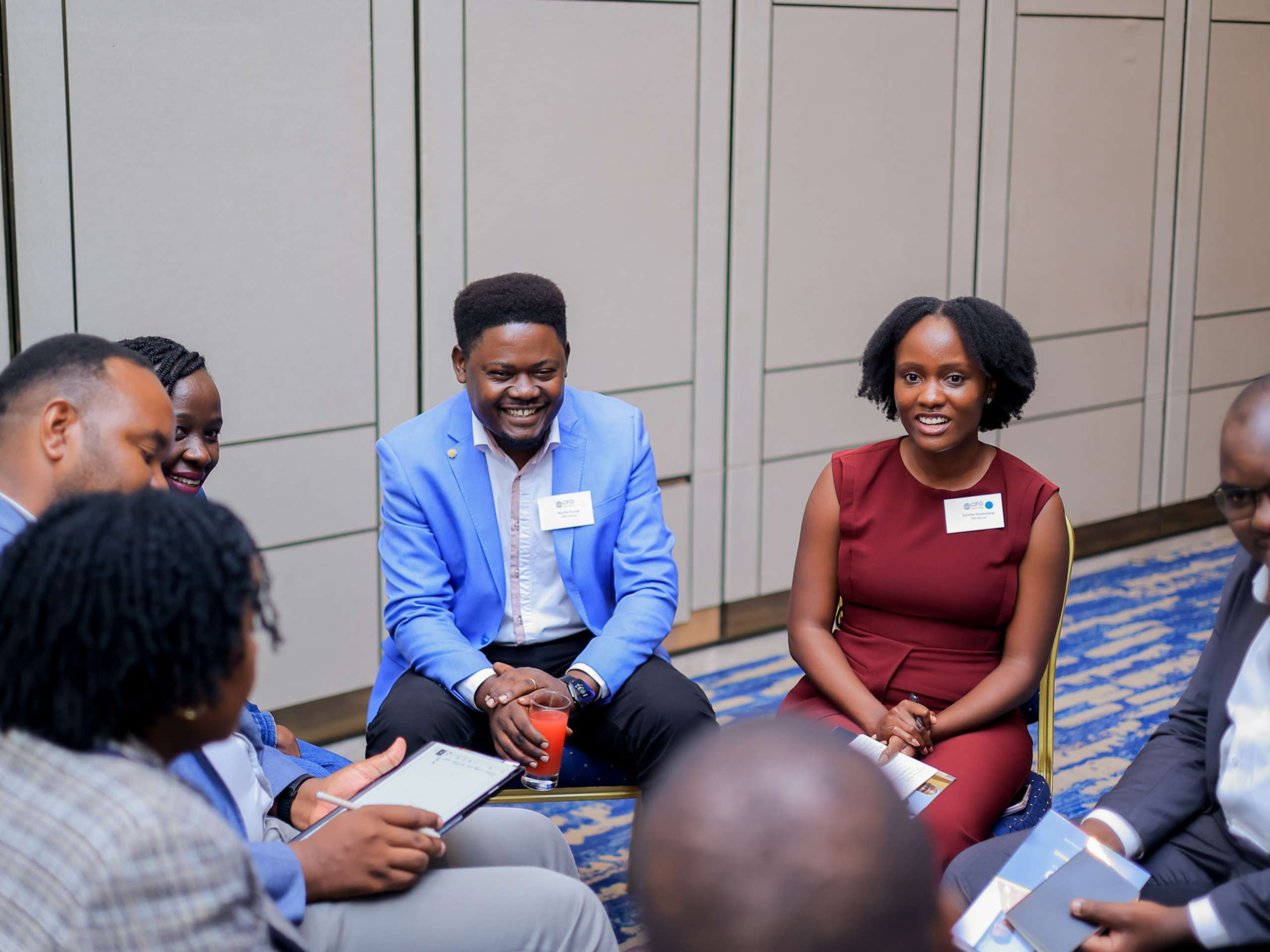
Increasingly, empathy has emerged as a defining leadership capability and a strategic advantage. Far from being a “soft skill,” empathy drives engagement, resilience, and performance, and plays a critical role in advancing diversity and inclusion.
Research from the Service Quality Centre (SQC) highlights the tangible impact of empathetic leadership. Their survey across the Middle East and Africa found 38 percent higher productivity among employees with empathetic leaders and 23 percent greater for innovation output. The study further breaks down empathy into three dimensions: cognitive empathy, which is the ability to understand others’ perspectives; emotional empathy, which involves connecting with people’s feelings; and compassionate empathy, which translates understanding into meaningful action. Together, these dimensions strengthen trust, improve engagement, and foster innovation, positioning empathy as a competitive advantage.
Similarly, Businessolver’s 2021 State of Workplace Empathy study found that 84 percent of employees would remain with an empathetic employer even if offered slightly higher pay elsewhere. This demonstrates the powerful retention effect of empathetic leadership, which in turn reduces turnover costs that can range from 1.5 to 2 times an employee’s annual salary when recruitment, onboarding, and productivity losses are considered.
The empathy multiplier effect
Beyond retention, empathy significantly shapes day-to-day performance and engagement. Gallup research (2025) shows that employees who feel their manager genuinely cares about them as individuals are 59 percent less likely to seek alternative employment and exhibit 38 percent higher productivity levels. These effects extend beyond individual contributors, cascading through management layers to create what researchers describe as an “empathy multiplier effect” across organisations.
Leadership also plays a critical role in advancing diversity and inclusion. Despite women representing over 41 percent of the global workforce, they occupy only 28.1 percent of senior leadership positions. In Africa, the gap remains more pronounced, with many countries still falling below parity despite incremental progress.
Women make up nearly half of the global finance workforce, yet African women hold only 7 percent of top executive roles and 22 percent of parliamentary seats (African Women’s Inclusion Index, 2025). More positively, data from the African Centre for Economic Transformation (2025) shows that countries such as Ethiopia, Mozambique, Namibia, Rwanda, South Africa, and Uganda have achieved scores above 80, signaling notable progress in women’s leadership inclusion.
Beyond organisational boundaries, leadership also plays a critical role in national development. Modern leadership sits at the intersection of strategy, people, and purpose. It is defined less by authority and more by the ability to influence direction, build trust, and drive meaningful transformation. The leaders who will shape the future are those who are self-aware, adaptable, accountable, empathetic, and visionary leaders who do not merely manage outcomes, but actively shape culture and enable sustainable growth.