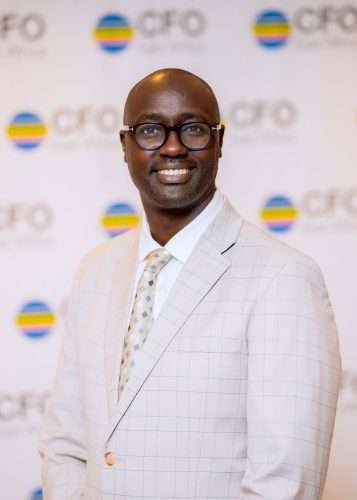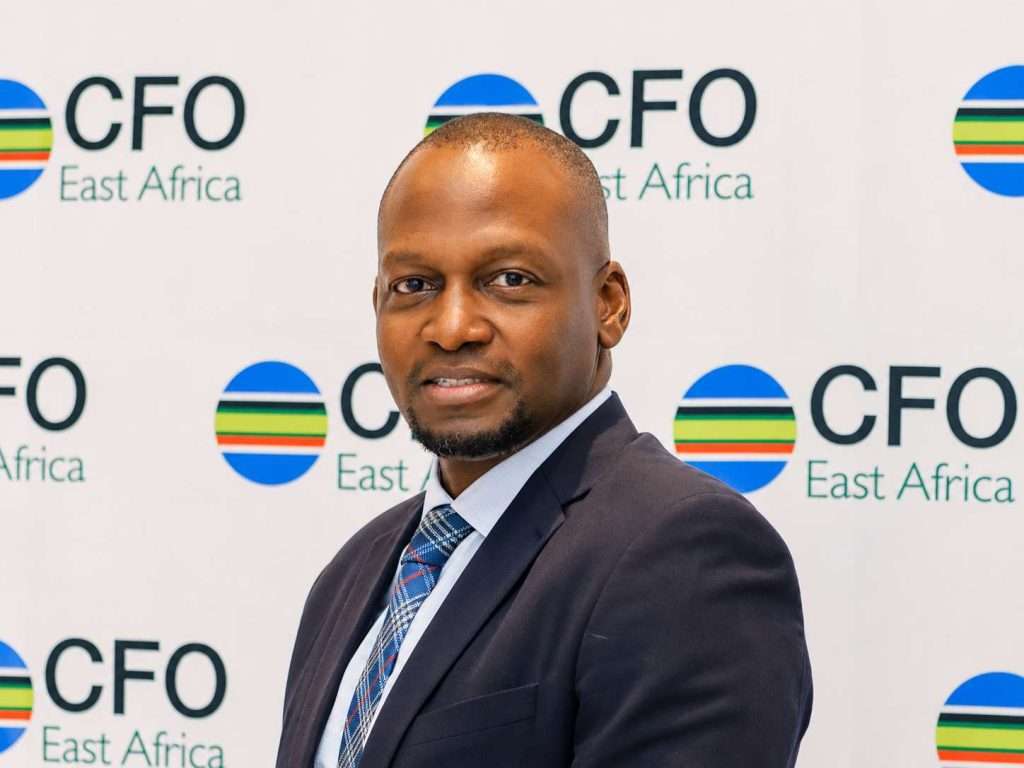
For Timothy Musiime, the path to becoming CFO of one of Uganda's largest financial institutions was never straightforward. He thinks that is precisely the point.
Timothy Musiime was two years old when his family left Uganda and moved to Kenya, where he grew up until he was about twelve. While there, he learned rugby, which he played all the way through university back in Uganda. When he later took a role at Lafarge in Nairobi, it felt, as he puts it, almost like a homecoming.
"The circumstances under which we moved to Kenya were different. I don't think it was voluntary. As a child growing up, you are enjoying life. We first lived in Limuru for a year or two and then moved to Nairobi until the time I left when I was about twelve. I made friends there that I still have up to today," he says.
The decision to go into finance was, by his own account, partly circumstantial. He graduated with an engineering degree and applied to both PwC and Kobil at the same time. There were two finalists for the Kobil engineering role, and his classmate got it. He took the PwC offer and did not look back. He had also, at one point, given serious thought to a career in the army.
"There was a move to professionalise the army. They were looking for engineers, doctors, lawyers and accountants. With a professional degree, you go straight to the rank of captain. It was quite a promising career prospect at that time. But I guess it came down to my value system and what I was passionate about," he says.
Accelerated career
Lafarge gave Timothy the foundation he credits most. He joined in a commercial business partnership role, working closely with the sales team in Uganda for a year before being moved to Nairobi. His boss there was Joshua Oigara, who would later become regional CEO of Stanbic Bank. Joshua spotted his potential early and gave him the opportunity to become a controller at the age of 28.
"Lafarge really accelerated my career and gave me opportunities. The training at the Lafarge Academy was really top-notch. As long as they saw your talent, it would be nurtured. You would be given opportunities to grow, to learn, to fail, to try again. You would be given a major role and just given the support you need. It was a very good number of years for me," he says.
The low points came later. As Timothy reveals, there was an audit adjustment that arrived without warning and threw off all his projections. What followed has been a prolonged effort to rebuild credibility with stakeholders. He describes those moments as the most painful of his career because of what they demanded of him as a leader.
"When you are a leader and you learn from very expensive mistakes, it can be costly. There's an issue of stakeholder engagement, credibility, regaining trust that has been damaged. If you are fortunate to be in an organisation where you are given a second chance, that is the most important factor. It has actually shaped the way I lead, because it has given me a certain level of empathy and focus," he says.
Clarity of purpose
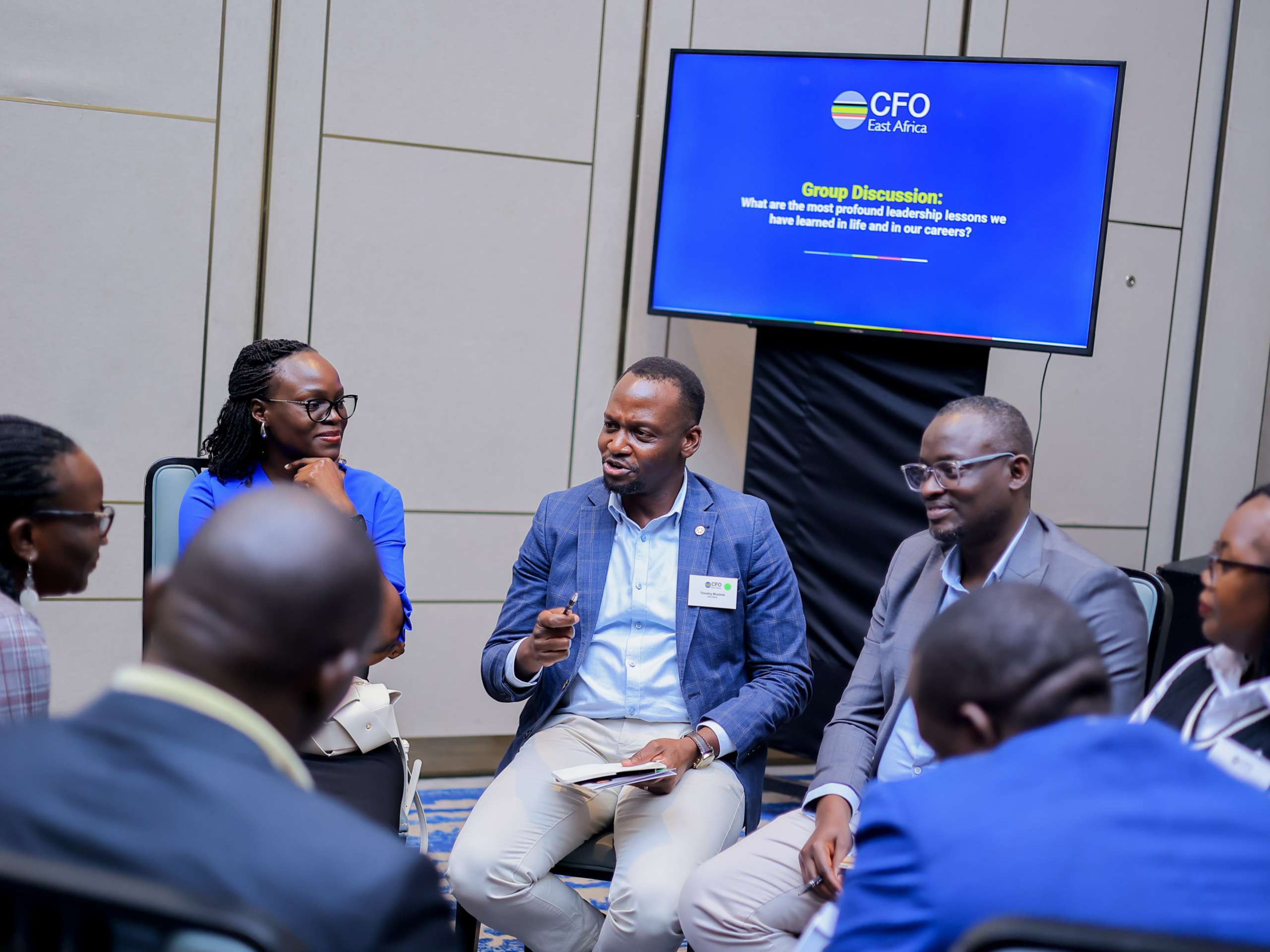
A mentor told Timothy early in his career that “nobody gives you a job to have fun”. He is careful to explain what he means by it. In his view, knowing clearly why you are in a role is what keeps you focused when the environment shifts or the conditions that made the job enjoyable disappear. He returned to the same idea when he read about clarity of purpose in a book some years later, and the two things reinforced each other.
"Yes, jobs come with perks, especially the higher you go. But you are there to deliver value, to know why you are there, not to lose sight. When you have clarity of purpose, it helps you not to lose focus with all the perks that come, but it also gives you a clear reason to stay focused when difficult phases come and go," he says.
Everywhere Timothy has left, his replacement came from within. He says this is a direct result of the focus he places on developing his team. He identifies the hunger and the attitude first, before the qualifications are in place, and then builds around that. He traces the impulse back to what was done for him, by Joshua and others who coached him on the job when he was still finding his feet.
On the data
At I&M Bank Uganda, Timothy's team is in the middle of a data overhaul. The organisation completed a data warehouse project last year and is now focused on making sure all data sources feed into one central repository before applying AI tools to the output. He makes a point about the order of operations. A good AI tool applied to poor data will not help. He reaches for a local reference to make it concrete.
"You can get a Ferrari, but when you put it on a Kampala road, it won't work. A Ferrari is built to go at 300 kilometres per hour, but there are potholes everywhere. You may have the best AI tool, but if your data is not the best, it won't help you much. So, we have been focusing on that," he says.
Most mornings, Timothy is at the gym by half past six. He plays golf competitively every weekend and still swims and plays basketball and table-tennis. He supports Manchester United and Ferrari in Formula 1. His two daughters, 14 and 12, have grown up watching football with him and one of them now tracks Premier League results closely enough to know when a manager has been sacked. He is a devoted Christian and goes to church on Sundays. His daughters, he says, make sure of it. Timothy also believes in giving back through service to the community. For this reason, he currently serves as Treasurer of his Rotary club.
"The finance career is one of the most privileged positions you can have in any organisation because you have a view of literally everything. It is no mistake that an overwhelming number of CEOs come from a finance background. You have information and insights that have such immense influence at all levels, from shareholders and board to executives, the sales team and regulators. That opportunity to make an impact is significant, and for me that is the most fulfilling part," he says.