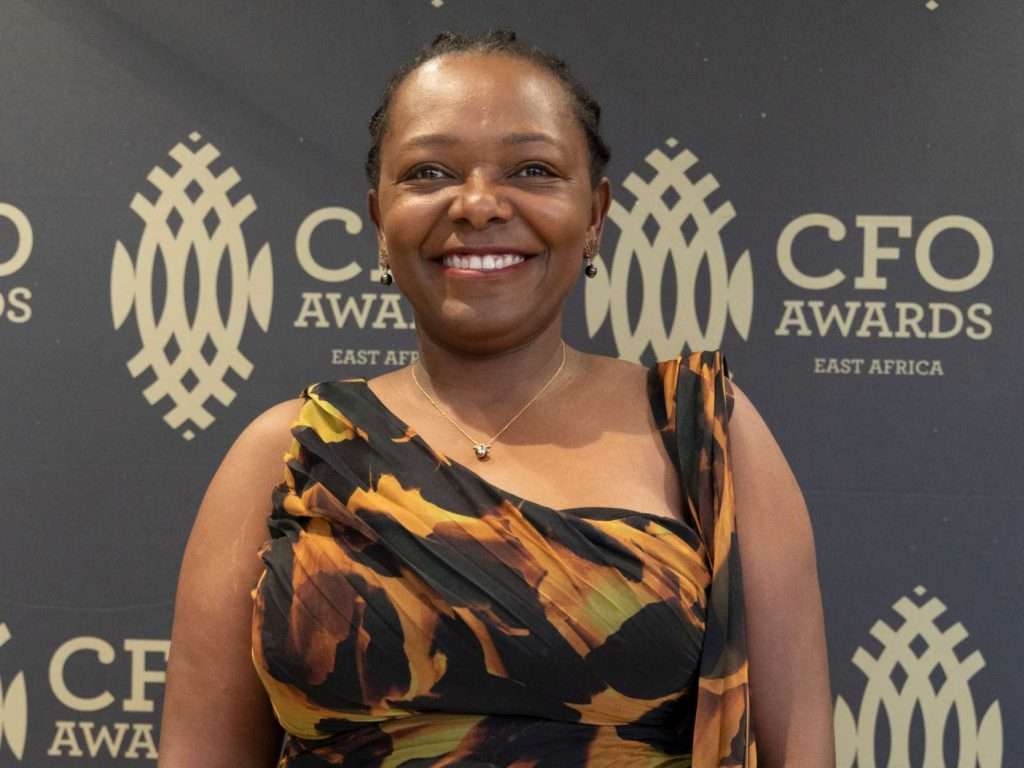
For Lake Turkana Wind Power CFO Alice Wathika, the most meaningful returns her organisation generates have nothing to do with the balance sheet. She explains how working at Africa’s largest wind farm has
There is a hospital ward in Laisamis, in northern Kenya, that Alice Wathika remembers fondly. When Lake Turkana Wind Power handed it over to the community, she watched as locals who had previously had to travel long distances for medical care walked through its doors for the first time. For a CFO whose daily work revolves around budgets, forecasts and lender relationships, it was a moment that put everything else into perspective.
“Internally, I focus on the big picture, ensuring we deliver on our strategy within budget while maintaining efficiency and prudence. I also prioritise support for our team and the local community, all while providing a return to our investors,” she says.
The ward is one of more than 100 community projects that LTWP has implemented through its Winds of Change NGO, spanning education, water and health. Alice is passionate about being present for each handover because she believes the people behind the numbers deserve to be seen.
Alice splits her time between LTWP’s Nairobi office and its site in Loiyangalani, a remote town on the eastern shores of Lake Turkana in Marsabit County. Before the wind farm arrived, the region had no roads and very little infrastructure. The area is extremely hot, and the communities living there have long contended with harsh climatic conditions and limited economic opportunity.
A community once forgotten
Today, LTWP is the largest private employer in Marsabit County. Eighty percent of its employees come from the county, and among them are locals who have never attended formal school but are earning a stable income and sending their children to school for the first time.
“The people here are warm, welcoming, and respectful, making me feel at home whenever I’m on site. The wind farm has not only brought clean energy to the grid but also transformed the lives of a community that was once forgotten. It is a powerful reminder of how renewable energy can create opportunities and uplift entire communities, fostering hope and a brighter future,” she explains.
The wind farm itself is Africa’s largest yet. It covers 160 square kilometres and hosts 365 turbines, each generating 850 kilowatts of power. In 2023 alone, LTWP avoided 605,428 tonnes of CO2 emissions and generated just over 11 percent of Kenya’s grid power, displacing approximately $100 million in fuel imports. It contributes 12 percent of the power to the Kenyan national grid, which matters in a country still heavily reliant on fossil fuels.
Planting the seed
As a child, Alice sold mandazi during school holidays, an experience she credits with introducing her to the logic of numbers and the importance of balancing them. She initially wanted to work in wildlife and tourism, but eventually channelled that passion into running a voluntourism organisation on a pro bono basis, connecting over 600 international volunteers with charitable children’s homes across Kenya.
“I remember as a young girl growing up, I had lots of energy and enthusiasm for everything I did, whether it was racing my friends on the playground or diving headfirst into new hobbies. I like to think I brought a little spark to any situation, always ready to light up the room,” she recalls.
Her career began at Grain Bulk Handlers, where she spent over a decade rising from finance clerk to group finance manager and became the first female manager in the company’s history. She went on to become the first female CFO at Salama Fikira, a security firm, before moving into the energy sector at Kipeto Energy and eventually landing at LTWP, where she is once again the first woman to hold her position.
“I describe my career as a trendsetting adventure, and being the first in many capacities as a woman has shown me that hard work truly pays off,” she says.
As CFO, Alice has made financial literacy a priority across the organisation. She has worked to ensure that every section head understands and owns their budget, a shift she said has led to significant cost savings, better forecasting and more careful procurement. But for Alice, the discipline of budgeting is always in service of something larger.
“I describe my management style as dynamic, blending elements of transformational and participative leadership. By establishing a clear vision, I empower team members to contribute effectively toward achieving our organisational goals,” she reveals.
Carving a new path
She is candid about the challenges of working in a sector where women remain underrepresented. With few female mentors in renewable energy to turn to, she has had to carve her own path. Rather than dwell on the gap, she has chosen to use her visibility to encourage younger women to consider the field.
“It’s a fulfilling industry where you can see the impact of your work every day, contributing to a sustainable future for the next generation,” she says.