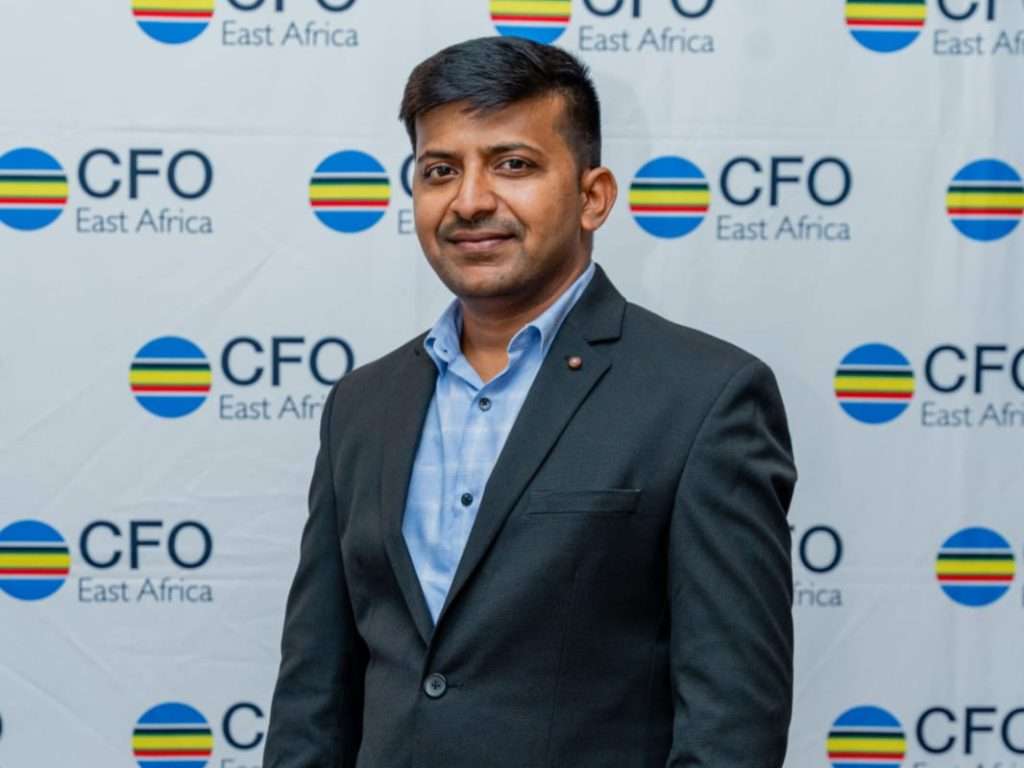
Nareshbabu Kaparouthu has spent 18 years shaping finance systems across India, Oman and East Africa. He now leads efforts to build sustainable systems that make clean water projects possible in Tanzania.
Megapipes CFO Nareshbabu Kaparouthu speaks to CFO East Africa about what makes him tick.
What pivotal moments or decisions shaped your path into finance?
Two moments defined my path. Early in my career at Mastanaiah & Co, working with diverse clients taught me that finance is the heartbeat of a business. Later, at Vedanta, managing USD 400 million monthly payments and structuring a USD 1 billion buyer’s credit facility showed me how strategic treasury decisions can transform organisational outcomes. Those experiences proved that finance, when done right, drives growth and resilience, not just record-keeping.
What excites you most about your role today?
Building something meaningful from the ground up. At Megapipes, I began as a one-man finance team and have since built entire finance and HR functions supporting sustainable water solutions. Every ERP blueprint, SOP and financial model we develop contributes to real impact like clean water reaching communities. What truly excites me is this blend of strategic leadership, continuous learning and tangible social contribution.
Walk me through a particularly complex financial challenge you’ve navigated and what you took away from that experience.
During Covid-19 at ALAF Ltd, liquidity pressures and disrupted supply chains posed severe challenges. I implemented rolling cash-flow forecasts, AP/AR trackers and proactive bank engagement to secure liquidity ahead of risk. The experience reinforced three lessons: anticipate rather than react, lead with data and transparency and build systems flexible enough to handle the unknown.
Looking back on your career, what professional achievements stand out most to you?
Three standouts define my journey. The first was publishing the Alstom Treasury Handbook, which became an internal benchmark. Ensuring business continuity at ALAF during the pandemic through disciplined liquidity management was the second one. The third was building Megapipes’ finance and HR systems from scratch, integrating ERP, compliance and data frameworks that now function seamlessly.
Is there a life experience or turning point that changed your approach to leadership or decision-making?
Relocating to East Africa was transformative. In India, I managed scale; in Africa, I learnt leadership through trust and empathy. Transitioning staff from our sister company to Megapipes taught me that leadership means creating certainty in uncertainty. It’s about stability, transparency and belief in people, values that now guide all my decisions.
How has mentorship shaped your growth, and how are you giving back to the profession?
Mentorship shaped my ability to see finance as strategic, not transactional. Leaders at Vedanta and Mphasis taught me to think several steps ahead. Today, I mentor my teams to ask ‘why’ and ‘what if’ before ‘how much’. I document and share frameworks, like the Alstom Treasury Handbook and Megapipes SOPs, so knowledge compounds beyond individuals. Building capability that endures is my way of giving back.
What personal habit helps you stay grounded in a high-stakes role?
My morning badminton routine keeps me centred. It builds discipline, focus and adaptability, the same qualities finance leadership demands. On weekends, long walks with my spouse provide reflection and mental space. These moments away from spreadsheets often spark my best strategic ideas.
What advice do you wish you’d received before your first senior finance role?
Finance leadership is storytelling as much as analysis. You can have the best model, but if you can’t translate it into an actionable strategy for non-finance leaders, it’s lost. Build relationships early with banks, regulators and teams. Trust built in calm times becomes your greatest asset in crises.
What habit outside of work surprisingly helps your leadership or decision-making?
Playing cricket with kids has been unexpectedly instructive. The game teaches patience, adaptability, and teamwork under pressure. Watching young players stay fearless reminds me to balance caution with creativity, a mindset equally vital in financial decision-making.
What single challenge must CFOs in East Africa prepare for most urgently?
The dual challenge of digital transformation and sustainability. CFOs must modernise operations amid volatile currencies, evolving regulations and limited capital markets, often while the systems themselves are still being built. Those who embrace technology, ESG accountability and relationship-driven leadership will define the region’s next growth phase.
What’s the most effective thing you’ve done to keep your team motivated during tough financial cycles?
Radical transparency. I share challenges openly and involve the team in designing solutions. This turns anxiety into ownership. We celebrate small wins and treat setbacks as learning, not blame. When people feel trusted and informed, they stay committed even in tough times.
What book, podcast, or conversation recently influenced how you view your CFO role?
My perspective evolved through cross-functional conversations, especially during Megapipes’ machinery installation, working with Finnish engineers and local teams. It reinforced that the modern CFO is an orchestrator, not just a controller. Finance today is the central nervous system of the organisation, sensing, connecting and enabling every function to perform in sync.