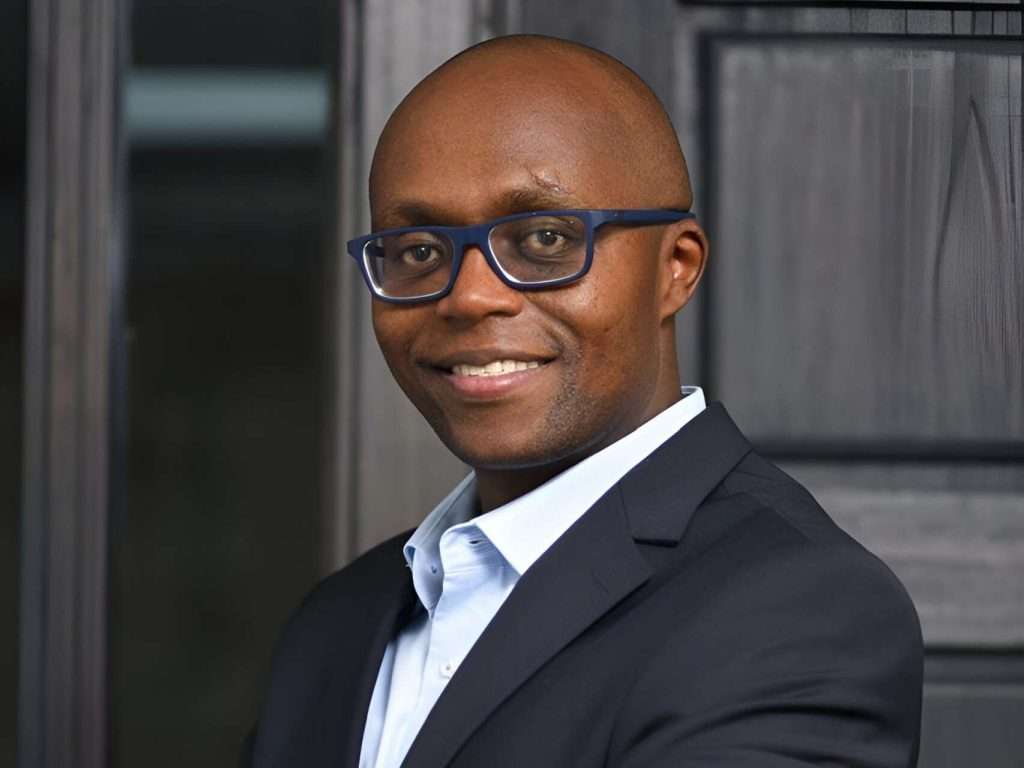
PwC Kenya's performance and restructuring lead explains why early intervention matters more than most CFOs realise and how his practice is shifting from recovery to prevention.
George Weru has been called an undertaker more than once. The label comes with the territory for the trained lawyer whose expertise lies in restructuring and insolvency.
For years, his practice at PwC covering Kenya and the wider East Africa countries focused on helping financial institutions recover value from distressed borrowers. But recently, the firm undertook a rebrand that signals a fundamental shift in how they want the market to perceive their work in this area.
Before, the practice was known as ‘business recovery services’. Now, it is called ‘performance and restructuring’. The change reflects the broader service offering that can be provided in stressed and distressed environments. It also allows the practice to engage more proactively on the corporate side, rather than just the lenders side.
“We thought it makes sense to rebrand so that we also actually speak to the corporate that wants help with either enhancing its performance or restructuring its operations rather than simply speaking to the creditors who want to recover. We are not moving away from our recovery and insolvency heritage, as these tools remain critical in certain situations, rather we combine them with broader skills that exist in our firm to deliver smarter, more valuable and proactive solutions,” he says.
Over the past decade, George has noticed his client base changing. Financial institutions began introducing him to their borrowers to help the businesses restructure before failure becomes inevitable. It then dawned on him that businesses needed control over their destiny instead of having creditors determine their fate.
The timing trap
George often explains business distress using a metaphor his clients immediately grasp. A company has a life cycle, just like a human being. Long before a company defaults on its loans or runs out of cash, warning signs appear. The key is spotting these non-financial indicators early.
“The advantage of getting involved early is that you have a lot more options to play with. If you identify distress long before it becomes pervasive, it means that the business still has a lot of value and the shareholders often still have some equity value in the business. Therefore, any intervention that they embark on is increasing the value for the shareholders,” he explains.
But most companies wait too long. By the time they call for help, creditors are filing judgments and banks are threatening to wind them up. At that stage, any value created goes to creditors rather than shareholders due to the debt overhang.
“If you come to a point where the business is very much distressed, there's little runway left. Maybe you don't even have cash to meet your day-to-day obligations. Your creditors are on your case trying to file judgments. So you find that now the options narrow and more critically, control is no longer in your hands,” he says.
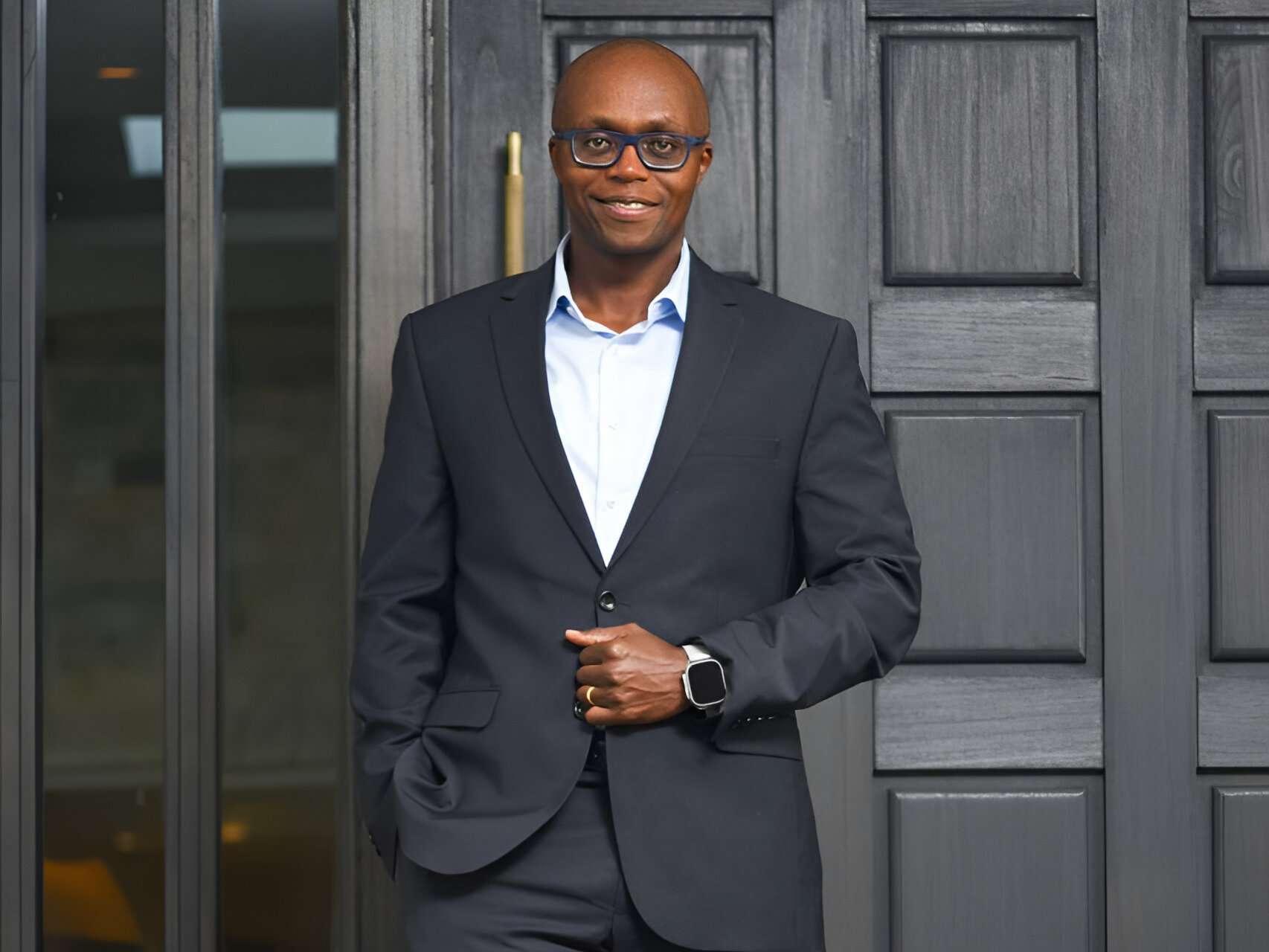
From law to ledgers
When George was in high school at Mangu’, Strathmore University’s Dr James McFie visited and talked about careers in finance and accounting. He had a way of making finance, particularly the CFO role, sound glamorous enough to plant a seed in George.
“I went through law school without giving a career in finance much thought except when we got to fourth year and you realised you need to get into the world of work. By then, I had finished my CPA, which I had started earlier on more as a way to use the pre-university break more productively and avoid going back to the village to do farm chores. So when it came to looking for work, we went everywhere. We went to all the law firms and to literally any company you could think of to drop our CVs. We also enrolled into the graduate programmes for the big four accounting firms,” he recalls.
He received offers from three law firms for pupillage. A Big Four accounting firm made him an offer for audit. Then in a strange twist, PwC rejected him. He started off in the audit unit of the other accounting firm but lasted only a short time. When PwC started taking graduates directly into its corporate finance and recovery practice, George jumped at the chance, as he felt his combination of legal and accounting skills would be better suited there.
“You get to apply the law background, the law concepts as well as the accounting and finance concepts," he says.
Later on he became a chartered financial analyst (CFA) and certified fraud examiner (CFE) and pursued an MBA in Finance to enhance his skills in these areas.
Almost immediately after joining PwC in 2005, he was seconded to Ghana. He spent three years there before moving to the Cayman Islands in 2008, right when the global financial crisis hit. His expertise in restructuring and insolvency became suddenly valuable as companies worldwide needed help navigating distress.
Building from scratch
In 2013, George returned to Kenya. His partner Muniu Thoithi had come back to PwC to rebuild the business recovery and forensics practice, which had become nearly non-operational. Although George was enjoying his career in the Cayman Islands with no particular urge to leave, the opportunity to build something from the ground up proved irresistible.
"That willingness to embrace challenges has been one thing that I think has helped. I don't usually have the answers at that point of venturing into it but I challenge myself to embrace the challenges, and I think it's been rewarding. When I came back, we were a team of about ten people in the business recovery and forensics practice. We are now a team of over fifty spanning across what we call the east market area which is the wider East Africa region," he says.
Early in his career, George wanted to explain his process and walk clients through every step. But he discovered they weren't interested in any of that. They wanted sustainable outcomes, period.
"They want to know that you appreciate the outcome that they desire, that you have a clear plan and resources for attaining that objective and that you are able to deliver. I think that for me is something that I found clients are very keen on," he says.
His approach to team development follows similar principles. He challenges his people to envision what their business will look like in five or ten years and then develop solutions suited to that future. The result has been a wave of innovation. The team has developed data analytics tools for early warning signs of distress and fraud prevention systems that move the practice beyond traditional manual methods.
George's biggest frustration in his practice is frivolous litigation and delays in the court system. He has watched cases that could have been promptly resolved drag on for years while businesses and their stakeholders lose value. In one instance, an interim injunction stayed in place for over five years losing value, while a strategy to execute a going concern transaction to save the business just lay on his desk.
"You've got certain matters whereby you're appointed to help with a recovery or something like that for a financial institution and then the borrower makes an application challenging your appointment and then of course pending the hearing and determination of the matter they get an injunction. You lose a lot of value because of these intricacies in the courts," he says.
George’s father still jokingly calls him a dropout for not becoming an advocate after getting his law degree. But George found his calling at the intersection of law and finance, helping businesses navigate their most difficult moments.
"I tend to deal with situations which are challenging. So there has been a fraud. The client needs to get to the bottom of what happened and then hopefully recover whatever was stolen or institute some disciplinary proceedings. Or the bank or a client has been unable to recover money from a borrower and get them to that outcome. For me, getting these outcomes for clients and creating opportunities for our teams to grow in the process is the thing that gives me fulfilment," he says.
The family man has learned to strike a balance between the different parts of his life. He enjoys spending time with his wife and two growing daughters and has been enjoying the regular round of golf with friends since the Covid19 pandemic.
“I also enjoy long jogs, especially on weekends. Jogging is my meditation in motion which gives me the ‘me time’ needed for my clarity, peace and focus. I do not say running because if you say running, my serious runner friends and colleagues start asking you what your marathon personal best is. Mine is jogging, so I am very specific,” he says.