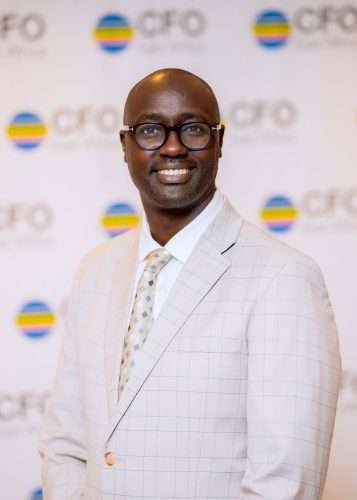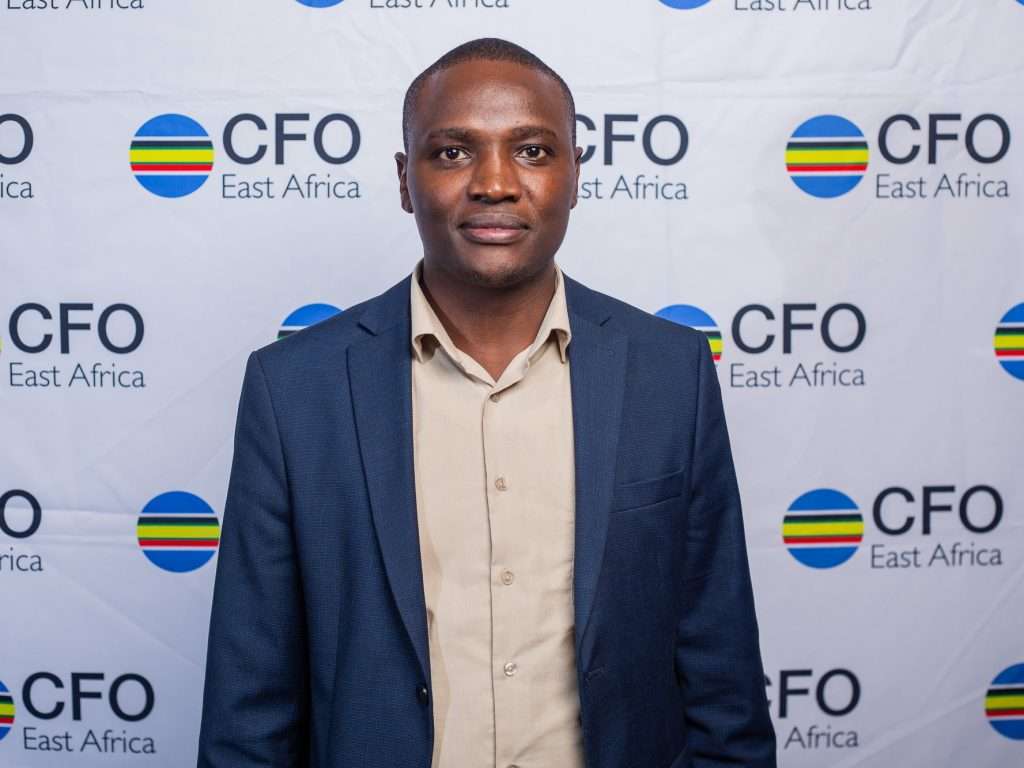
After four years of losses, Sanlam Kenya has finally turned the tide, reporting a historic Ksh 1 billion profit. Head of finance Fredrick Njoroge explains how the company overcame challenges to achieve sustained growth.
Sanlam's record-breaking profit was largely driven by a fivefold increase in investment income. Could you walk us through the key investment decisions that led to this success, and how you balance risk and return in volatile markets?
Sanlam’s investment principles align to the overarching risk appetite to ensure sustainability and avoid activities that can result in undue solvency risks. The company distinguishes between policyholder and shareholder investments and manages them separately. The company invests in a variety of asset classes with investment guidelines dictating the nature of investment activities for policyholder and shareholder portfolio investments. These guidelines are developed to achieve appropriate mixes between risk and reward and specify investment limits and ranges wherein portfolios should be managed. In addition, these guidelines are developed to guide investment of assets in compliance with Insurance laws and regulations. Investments are made in such a manner as to ensure the security, quality, liquidity and profitability of the entire investment portfolio.
Sanlam is raising Ksh 3.25 billion through a rights issue to repay outstanding loans. How do you approach capital structuring to optimise liquidity while minimising finance costs, and what lessons can other East African CFOs take from this strategy?
The net proceeds from the sale of the new shares will be used to recapitalise Sanlam’s balance sheet by repaying an existing loan facility from Stanbic Bank Kenya Plc. Additionally, the rights issue is intended to provide the company with adequate capital reserves to provide management with the operational flexibility and resources to drive the group’s return to profitability.
The rights issue will assist the company with sufficient liquidity to reduce the company’s long-term debt levels which will save on finance costs. It will also provide management with the operational and financial flexibility to drive the group’s growth ambitions and profitability.
While investment income was a major driver of profit, the insurance service result slightly declined. What strategic initiatives is Sanlam undertaking to strengthen core insurance operations and ensure long-term profitability beyond market-driven investment gains?
Key focus areas aimed at optimising customer value proposition, improving business operations, employee satisfaction, and enhancing financial performance include sustainable growth, data and digital transformation, and people development. Sustainable growth will be driven by innovative products that address evolving consumer needs, competitive pricing strategies, and profitable market share expansion through strategic partnerships. Sanlam Life intends to refocus its growth on deposit administration, annuities, and individual life products, anchored by a strategic investment approach to boost client returns while strengthening banca relationships and the tied agency distribution channel. Data and digital transformation will leverage technology to achieve efficiencies, enhance personalisation, and optimise operational costs. Additionally, continuous employee development will be a priority, embedding a high-performance culture throughout the organisation.
Despite returning to profitability, Sanlam has not recommended a dividend for the 11th consecutive year. How do you communicate this decision to shareholders, and what financial considerations go into balancing reinvestment for growth versus returning capital to investors?
Sanlam’s dividend policy requires dividends declared to consider the company’s risk appetite, business plans including liquidity projections and is subject to meeting the minimum capital adequacy ratio of 100% for the insurance operating subsidiaries. Following settlement of the outstanding loan, the group projections indicate that the group will run profitably with dividend payments expected in future.
Sanlam has emphasised digitalisation as part of its growth strategy. From a CFO’s perspective, how do you quantify the financial impact of digital transformation in insurance, and what are the key investment areas that CFOs should prioritise in an increasingly digital insurance landscape?
Leveraging digital platforms, mobile apps, and data analytics is a key focus in enhancing customer engagement, streamlining operations, and improving the efficiency of distribution channels. The introduction of a web-based underwriting process has transformed underwriting by enhancing efficiency. Digital distribution of products is also a priority, with offerings already available through digital channels, alongside the development of additional products designed for digital distribution. Customer servicing has been enhanced through an online self-service client portal, improving both customer experience and operational efficiency. Innovation in both products and services is ongoing, with a focus on targeting younger consumers who prioritise flexibility, convenience, and digital engagement in their purchasing decisions. Sanlam aims to offer simplified and digitally enabled insurance products, including online policy applications, flexible coverage options, and usage-based insurance models.