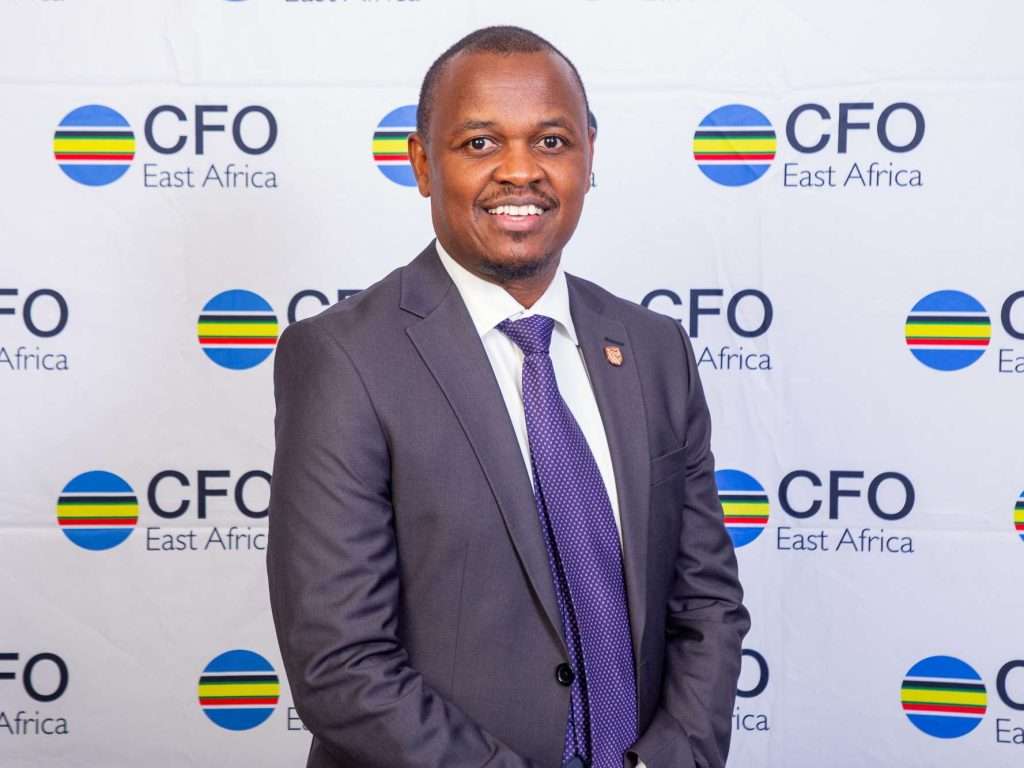
While delivering the partner address at the CFO East Africa Leadership Summit, Stanbic Bank Kenya acting CEO Abraham Ongenge drew on lessons from his own career transitions to make the case for a new kind of leadership built on co-creation and humility.
At the CFO Leadership Summit, Stanbic Bank Kenya acting CEO Abraham Ongenge structured his address around three ideas: agility, innovation and responsiveness. Agility, as he defined it, is the ability to sense that something is shifting before the shift is fully visible. One must then reconfigure their strategy and focus in response without losing the core values of the organisation in the process.
He explained why this matters now more than it ever has. In the past, transitions used to be sequential, but that logic no longer holds. The global conversation moves from the Middle East to an oil crisis without pausing.
"Transitions are becoming less and less predictable. Effective CFOs need to think about these transitions and identify opportunities, and almost marry the short-term obligations and opportunities with the long-term thinking around sustainable sustainability and macroeconomic complexities," he said.
Abraham pushed back against the idea that innovation is something that happens in a single project or moment. The more important question, he argued, is whether something can be improved.
"Innovation is not necessarily a one event, one project type of event. It is actually the discipline of how we embed creative problem solving. The whole notion of if it is not broken, do not fix it kind of varies. Every time the question would be whether it can be better,” he said.
The third pillar was responsiveness. In Abraham’s experience, the organisations that have thrived are those that were able to read market signals and competitive dynamics and act on them.
"Responsiveness means the reflex. Our ability to sense these changes, how to respond to my client needs. How to sense market signals and competitive dynamics and respond to them. If you reflect on some of the lessons we have had around organisations that have struggled, responsiveness to market dynamics has been a key defining moment," he said.
The value a CFO brings, he argued, lies in the ability to read those transitions and find the opportunity inside them.
"Effective leaders and effective CFOs do need to think about these transitions and identify opportunities, almost marrying the short-term obligations and opportunities with the long-term thinking around sustainable sustainability and macroeconomic complexities," he explained.
Lessons from transitions
Abraham was open about the fact that he was managing his own transition at the time of speaking. He revealed the personal lessons he had drawn from his own transitions, describing what he had learned and was still learning. The first was co-creation.
"One of the things that has become important whenever I face transitions is to always listen. Whenever you get into new spaces, never ignore the fact that there are people who have been there. They understand the context better than me. So, encourage yourself to co-create both your purpose and vision of your teams when transitioning," he said.
The second lesson was building what he called disciples, because a shared purpose gives you the right to build a team that believes in it.
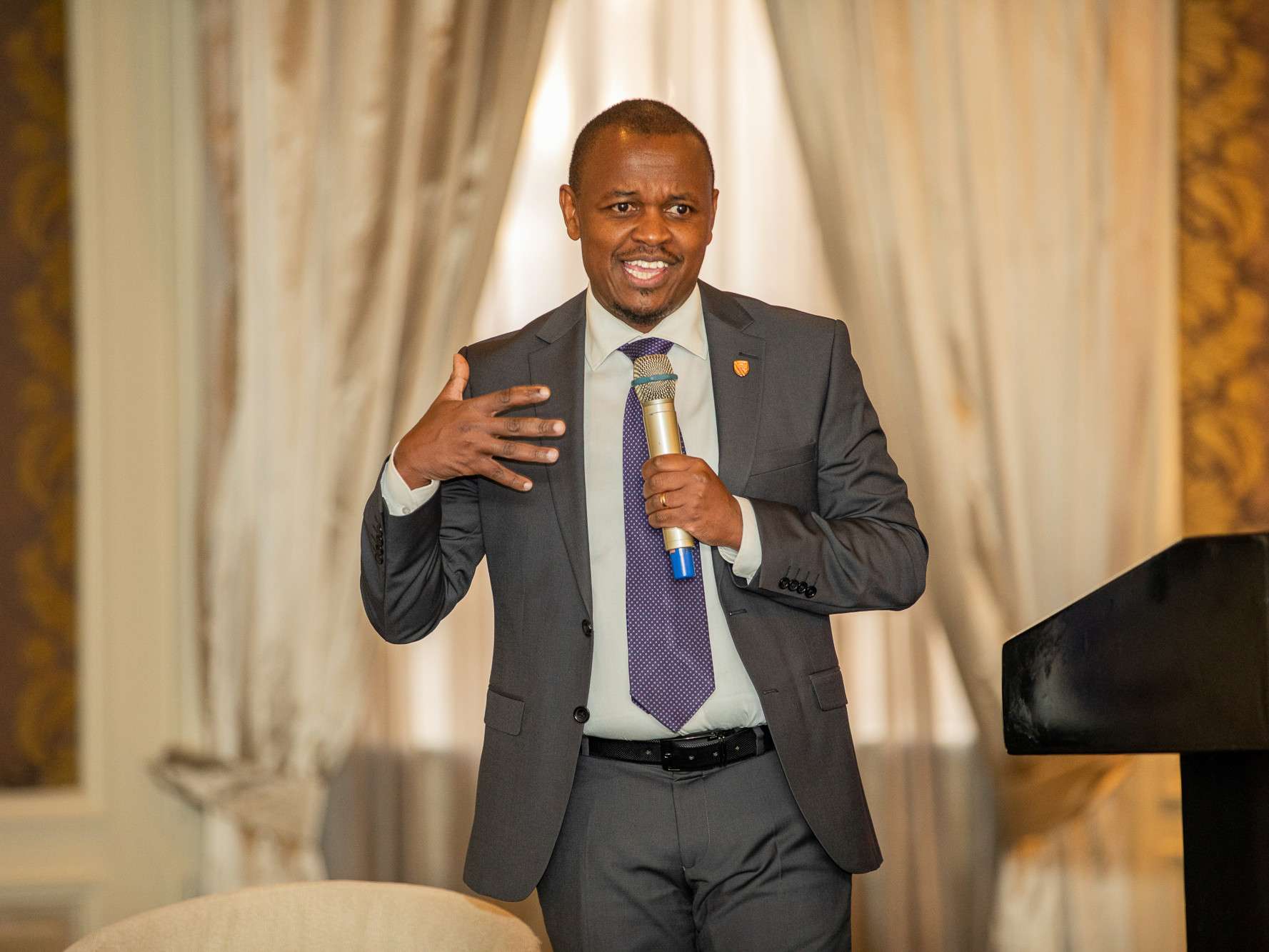
"The strength of leading is also in the willingness to be led. Once you co-create and share purpose, then you do have the right for building disciples who then see your vision and purpose growing over time," he said.
Abraham described an interview he had conducted for a finance role. The candidate was a qualified CPA, and when asked about an IFRS standard, the answer stopped Abraham in his tracks.
"He said he did not know it and did not see the need. It made me reflect on how differently talent presents itself. These are conversations you are going to have. The worst ones are those who come to interview accompanied by their parents. Those are different. But we do need to think about how we become inclusive in that space," he said.
A tale of two airports
The fourth lesson Abraham spoke about was humility. He told two stories from his time as an international assignee, one in South Africa and one in Uganda.
In South Africa, he arrived at OR Tambo International Airport and no one came to meet him. He found the hotel address in an email, took a taxi and went alone. For the first week, he ate burgers in his hotel room every day. When his colleagues finally asked how his weekend had been, he had a simple answer.
"You have never even bothered to know that I am consuming burgers every single day," he said.
In Uganda, a driver met him at the airport with a khaki uniform, a car and a placard. The next morning, he woke early and went to leave for the office. The guard at the gate did not open it. Instead, he came to the window.
"The guard comes closer, quite humble, and he asks me if I slept well. And my experience in Uganda was probably the most refreshing, because people looked at me as human," he revealed.
The contrast was intended to demonstrate what it means to receive a person as a human being and what kind of leader one becomes when they extend the same to others.
"It is always quite easy to say, what was this guy thinking, when you see messes. Be humble. There is context to it. Improve on your transition," he said.
Abraham closed by urging CFOS leading transitions to resist the pressure to act on every front at once.
"Whenever you are in transitions, do not try and do everything. Please focus, co-create, and please understand that you need to bring the team together. You are only as effective a leader as your team is effective," he said.