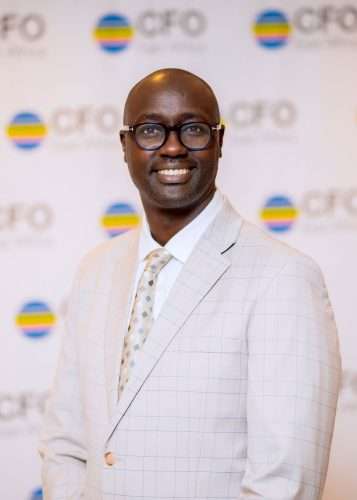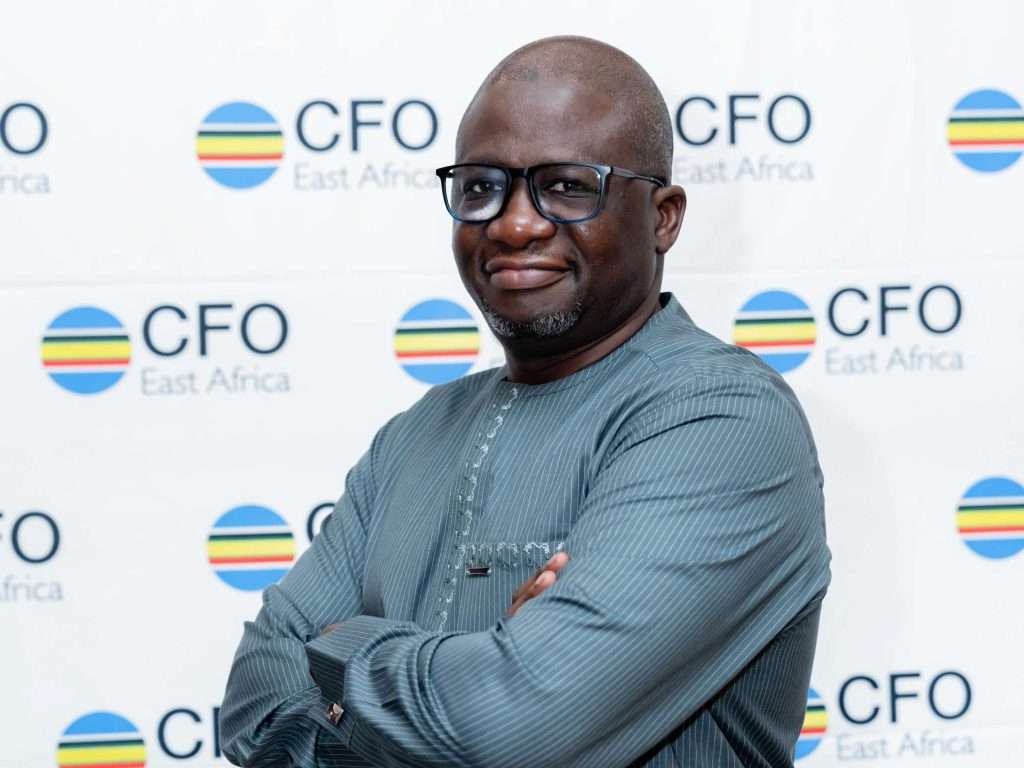
Speaking at the CFO Leadership Summit in Dar es Salaam on 12 June, Sekou Tidiane, CFO of Africa Global Logistics (AGL) Tanzania, reflected on the human side of finance leadership, explaining why managing numbers is only a fraction of the executive role.
For most chief financial officers, balancing books and evaluating financial statements are routine tasks. The real challenge of executive leadership, according to Sekou Tidiane, CFO of Africa Global Logistics (AGL) Tanzania, lies in managing human motivation and building credibility across an organisation.
Speaking during a panel discussion at the CFO Leadership Summit in Dar es Salaam on 12 June, Sekou emphasised that finance leaders must look beyond standard performance metrics to understand what keeps their teams engaged daily.
“What motivates people? Some people are motivated by gain; they just want remuneration. Some people are motivated by recognition; they want you to say thank you for what you have done. This is what keeps them warm and motivated to continue. Some of them want other benefits,” he said.
In his view, discovering these distinct drivers is one of the most demanding responsibilities a leader faces. While number targets are straightforward to set, ensuring that individuals deliver consistently requires a tailored approach.
“The difficulty for a leader is to discover those patterns and make sure that within your team, you know what the motivating factor is and stimulate them according to that. All the other standards about the numbers, this is pretty much what we do on a daily basis. The main challenge is how to make sure that people deliver on a daily basis," he explained.
Earning trust before crisis strikes
Beyond internal team dynamics, Sekou highlighted the importance of earning stakeholder trust long before difficult situations occur. He warned that without prior credibility, management might assume the worst.
“We always talk about how the CFO must have the trust of the organisation. In our career path, it happens that we have to go to the board and the executive committee to announce bad news, whether you have been a victim of fraud or you have bad results. If your executive management does not trust you, they will tend to believe that you have created those bad circumstances. To earn that trust, it has to start right from the beginning," he said.
To illustrate how early career choices shape long-term integrity, Sekou shared a pivotal experience from his first management role taking over from an expatriate executive. Upon gaining access to confidential payroll records, he calculated the total compensation package of his predecessor, including housing, vehicles, and travel allowances.
The calculation revealed a stark reality: his predecessor was earning 20 times his own salary.
“If they knew that I would panic, they would not share this information with me because they knew I would do the calculation. But I panicked,” he recalled.
The 20-fold disparity test
His family questioned why he accepted such a disparity, creating pressure to leverage the data for immediate pay increases. However, guidance from a mentor helped him reframe the situation. The mentor reminded him to measure progress against his own career trajectory rather than comparing himself to others.
“When we gave you that appointment, did your salary increase substantially? Yes. Were you happy when you signed? Yes. So why are you suddenly unhappy?” he went on.
Resisting the urge to manipulate confidential information for personal gain proved to be a defining test. By maintaining professional discretion despite the initial shock, Sekou demonstrated to senior leadership that he could handle sensitive data responsibly. Ultimately, he found that building stakeholder trust is an ongoing process rooted in daily ethical decisions.
“Along the way, this stress led me to learn much more, because it gave my stakeholders the confidence that I can handle confidential information without manipulating it to earn more benefits,” he reflected.