EABL’s first tranche under its KSh 20 billion medium-term note programme was oversubscribed, raising KSh 16.7 billion against a target of KSh 11 billion.
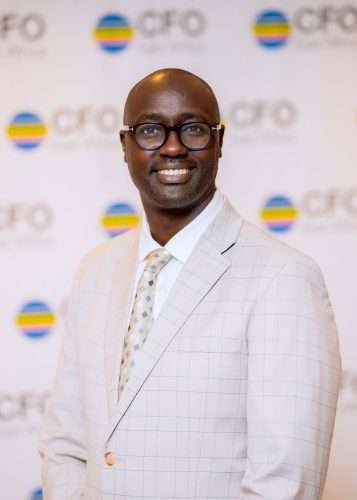
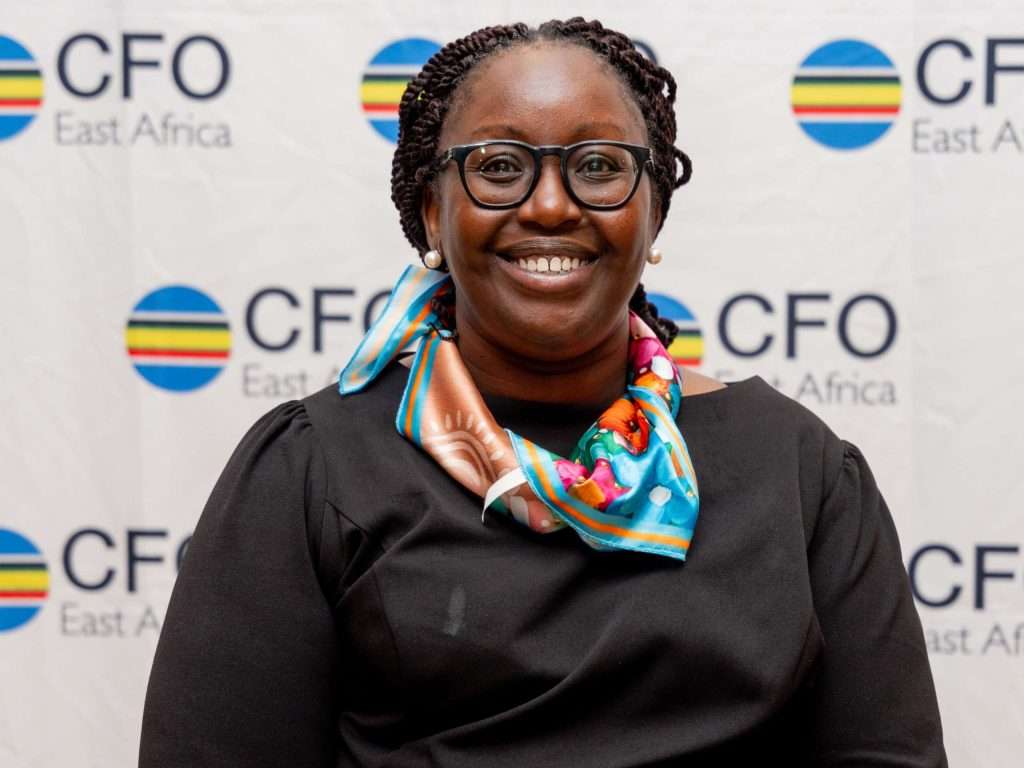
Group CFO Risper Genga Ohaga outlines how the company is balancing fixed and floating rate funding to manage volatility.
The first tranche of the programme was significantly oversubscribed. What do you think this level of demand signals about the current fixed-income environment and investor sentiment?
I think the market is looking for opportunities to invest in good credit quality corporate paper as a means to diversify their investment portfolio and reduce reliance on government paper. Investor sentiment is optimistic for good quality and well priced instruments.
EABL now has a fixed cost of funding for the next five years. How do you think about navigating future movements in interest rates and the wider financing environment?
The amount raised will cover about 42 percent of our debt portfolio, leaving the balance as floating rate. This allows us a good balance of fixed and floating rate instruments that will insulate us from volatility when interest rates fluctuate. When rates rise, the fixed rate book will cushion us from higher costs and when rates are low, we benefit from the floating rate book.
This issuance does not increase EABL’s overall debt levels. What guides your approach to refinancing and deciding which facilities to retire first?
We run an annual capital structure review that covers our funding needs for the next five years. We then look at the optimal funding to support those needs. In determining which facilities to retire first, we look at those that bear the highest interest rates.
How do you determine whether to raise capital from the market or through bank financing in a given cycle?
We typically raise capital from the market for long term funding needs. The timing of that depends on the interest rate outlook and we go in when we believe the rates to be optimal for us to lock in. This allows us to utilise bank financing for shorter term funding needs and this works well. In this issue, some investors have also expressed interest in providing even longer term funding through the capital markets or bilaterally, which is an option we will also consider.
This issuance attracted both institutional and retail investors. How do you design a fundraising structure that appeals to such different investor groups while still meeting your strategic objectives?
We designed this so that the minimum subscription level was low enough to accommodate retail investors and there was no cap on the maximum so this allowed all investors to participate.
How do you balance short-term liquidity needs with long-term capital planning, especially in a business with large working-capital movements?
We manage this through our capital funding process and cashflow forecasting process. This robust process allows us to plan ahead and ensure that we are optimising our own internal funds, managing working capital efficiently and planning to fund long term projects.
What lessons can other CFOs take from preparing and executing a medium-term note programme, particularly around timing, documentation and regulatory engagement?
I would say that a good set of advisors is very important – from lead arranger, legal advisors, reporting accountants, registrar and other advisors. Equally, a robust team comprising treasury expertise, communications experts and legal experts are vital to the process. One must listen to the advisors but also do your own research and consult widely and be very robust in negotiating an optimal deal for the company and that is also attractive for investors. Regular engagement with investors while book building is important and proactive engagement of regulators and your board is also critical.
Which emerging risks or shifts in the operating environment do you think will most influence how CFOs plan their capital structures over the next few years?
Volatility in interest rates and currency remains a risk to watch as well as rising inflation. Further as our economies are in growth, funding must always be in place to support the business strategy.