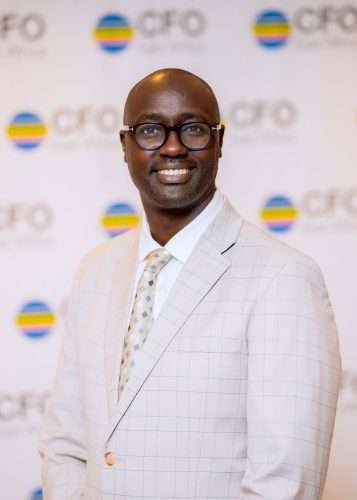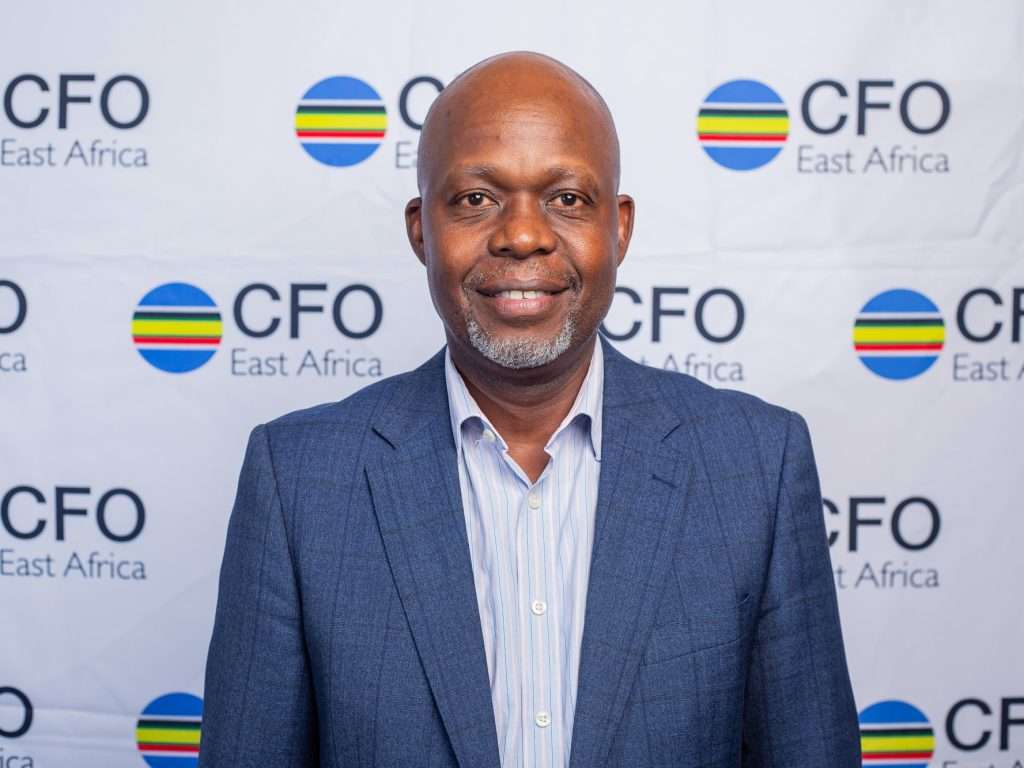
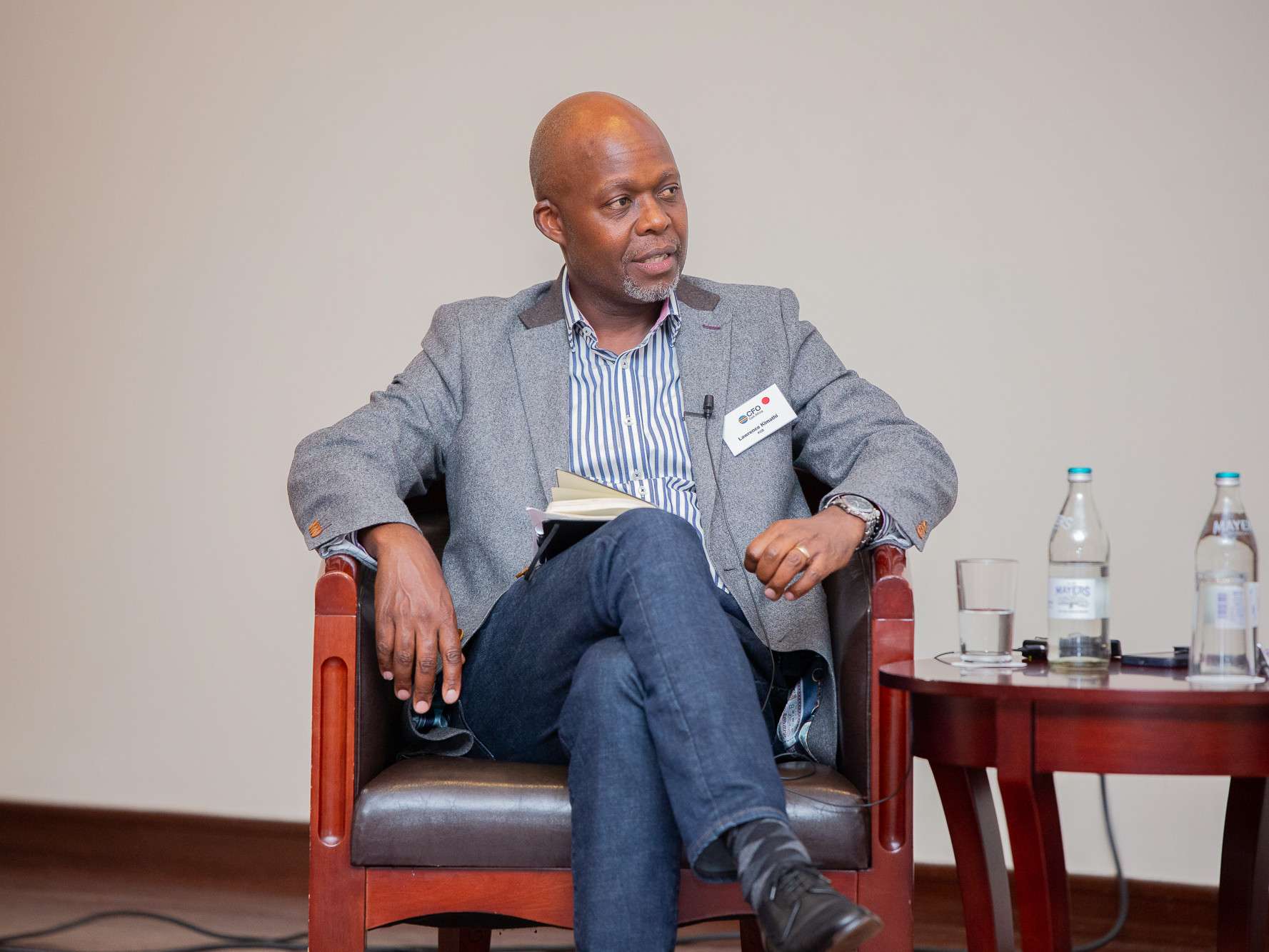
Green finance is no longer simply a compliance exercise. KCB CFO Lawrence Kimathi shares the process behind securing a $96.9 million climate fund.
Lawrence reveals how the bank uses risk-sharing capital to compete with high-yield government securities and build a stronger loan book.
The green climate fund (GCF) approval is a significant milestone. What did the process involve, and what does it signal about where KCB is positioning itself?
The $96.9 million GCF approval marks a strategic shift. It changes how KCB mobilises and deploys climate capital at scale. It positions the Group as a reliable link between global climate funds and local markets, particularly in underserved segments.
Securing this facility was a rigorous, multi-stage process. Following the initial concept note, the Group progressed to the Full Funding Proposal stage. Extensive technical, financial, and environmental assessments supported this. These included feasibility studies, ESG impact assessments, and climate risk analysis. We also conducted financial modelling and designed a robust reporting framework.
The proposal then faced multiple layers of independent scrutiny. It received final approval from the GCF Board in March. Beyond the capital itself, this process has strengthened the Group’s internal capabilities. We can now structure, execute, and govern large-scale climate finance programmes to international standards.
The GCF programme combines discounted capital, risk-sharing mechanisms, and technical assistance. It enables us to fund productive sectors in a way that is developmentally impactful and commercially viable. The facility speeds up our transition towards a low-carbon portfolio. Green assets now account for 25.84 percent of our loan book. Ultimately, this positions KCB to scale sustainable finance not as a niche, but as a core driver of long-term growth.
How do you structure products that are financially viable for the bank and accessible for small businesses?
Structuring financial products that are commercially viable and accessible requires a deliberate balance. We must weigh risk, affordability, and long-term value creation. At KCB, we approached this by integrating environmental and social considerations directly into product design.
Green products reflect their underlying risk profile and their broader economic benefits. For example, the transition to lower-emission clean cooking solutions reduces long-term operational costs for customers. This improved risk profile allows us to offer lower interest rates.
Beyond pricing, accessibility is addressed through product innovation and ecosystem support. Through the GCF programme, the bank will embed technical assistance alongside financing. This ensures that MSMEs can access capital and build the capacity to use climate-smart technologies. This improves borrower performance and reduces default risk. It also enhances the overall sustainability of our lending portfolio.
This approach reflects a shift from traditional lending to value-based financing. The focus moves beyond short-term returns to helping businesses become more resilient and efficient. By aligning our products with customer outcomes and environmental impact, we unlock new demand.
How is KCB embedding climate risk into credit assessment and financial planning?
KCB has made significant progress in integrating climate risk into its core risk and financial management frameworks. In line with regulatory guidance, we have embedded climate risk identification within our credit systems. This enables us to assess physical and transition risks across different sectors and geographical locations.
The Group has started conducting climate stress testing and scenario analysis. This provides forward-looking insights into how climate risks may impact our portfolio. As a result, climate risk will increasingly inform capital allocation, sector exposure, and long-term financial planning.
KCB operates across seven markets with very different regulatory environments. How do you ensure a green finance framework holds consistently across that footprint?
Operating across multiple markets with varying regulatory environments requires a balance between standardisation and flexibility. KCB addresses this through a centrally driven sustainability framework. This ensures consistency in governance, risk management, and reporting.
At the same time, we support our subsidiaries to adapt to local market conditions. This model allows the Group to maintain alignment with global standards while remaining responsive to regional dynamics.
Kenya’s banking sector posted record profits in 2024… What role does a facility like this play in influencing how banks deploy capital into productive sectors?
In a high-yield environment, banks will naturally gravitate towards government securities. However, this can crowd out private sector lending. This is particularly true for segments like MSMEs and agriculture, which carry higher perceived risks.
Facilities like the GCF programme are designed to address exactly this imbalance. They combine discounted capital, guarantees, and technical support. This improves the risk-adjusted return profile of lending to hard-to-reach areas. This makes such lending more competitive relative to sovereign investments, without requiring banks to compromise on commercial discipline.
The real value of blended finance is that it catalyses private capital rather than replacing it. This enables banks to reallocate capital towards sectors that would otherwise be underfunded.
Over time, these portfolios will demonstrate performance and resilience. Banks will shift internal capital allocation decisions and create competitive pressure across the sector.
What would it take for East African banks to move green finance from a niche product to a core part of the lending portfolio?
Moving green finance from niche to mainstream requires aligning regulation, capital, and internal capability around a common objective.
First, regulatory frameworks must continue evolving to embed climate risk into core requirements. We are grateful for the CBK's Climate Risk Guidance and the Kenya Green Finance Taxonomy. These have encouraged KCB and other banks to incorporate climate risk into standard credit assessments and stress testing.
Secondly, banks need to continuously build internal and external capacity. Relationship managers must learn to originate green opportunities. Credit teams need the skills to assess climate-related risks. Banks must also embed ESG considerations into product design.
Third, we must scale blended finance. Facilities like the GCF programme demonstrate what is possible. However, systemic change requires significantly larger and more standardised pools of risk-sharing capital. Ultimately, green finance becomes core when it is no longer treated as a separate product category.