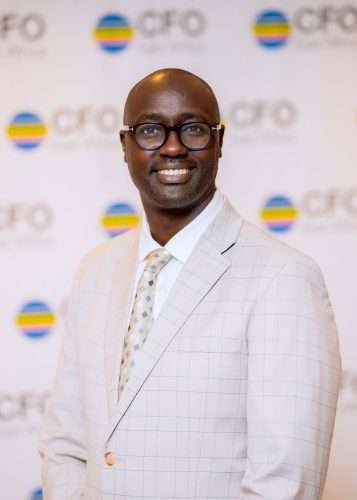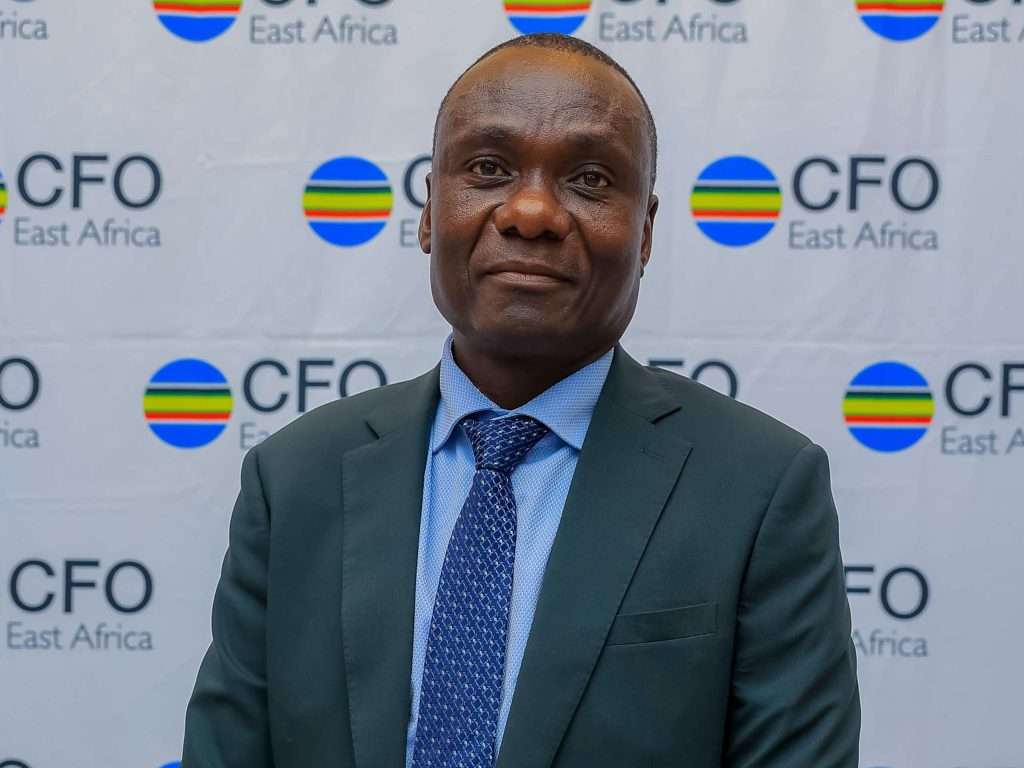
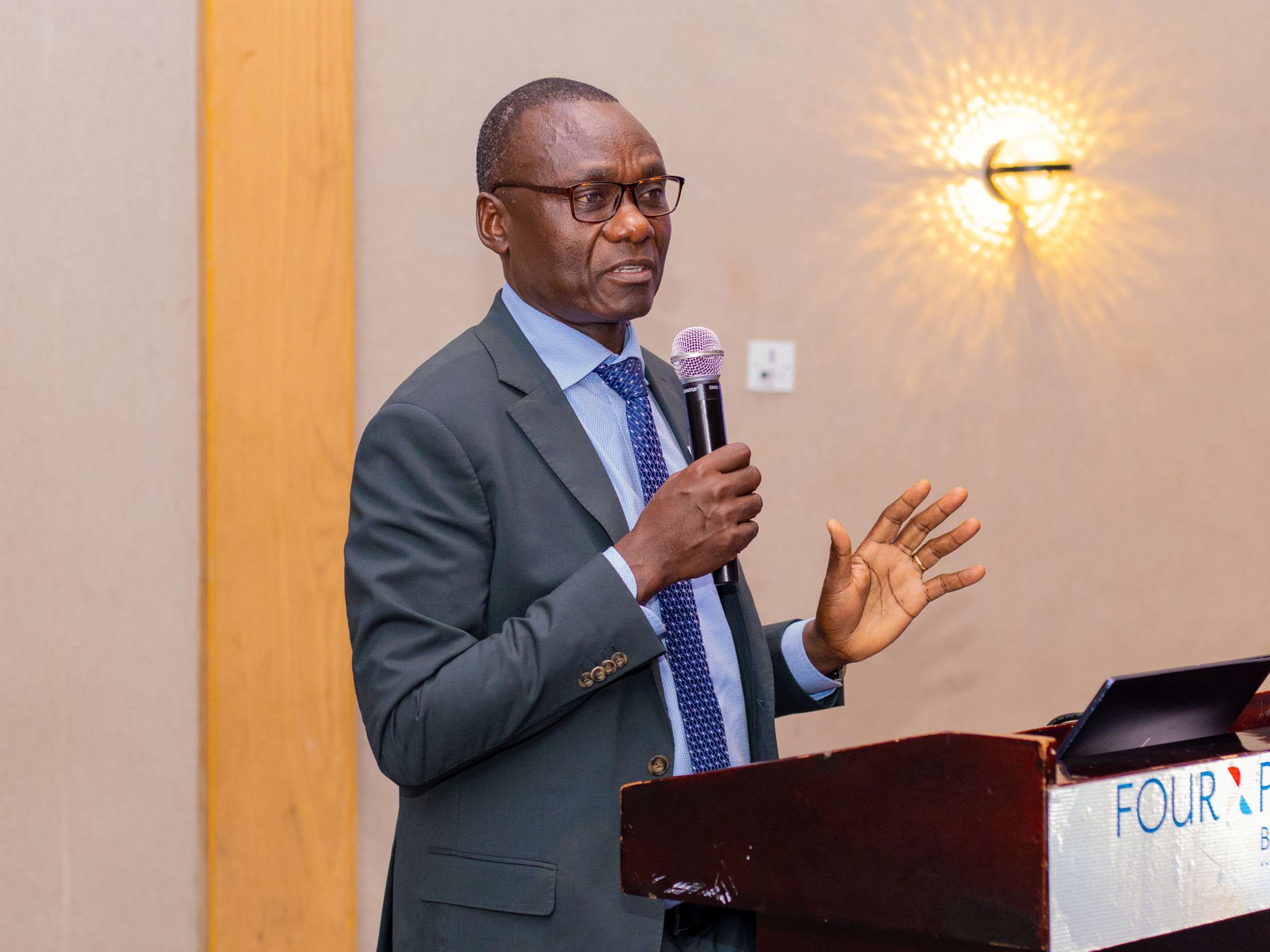
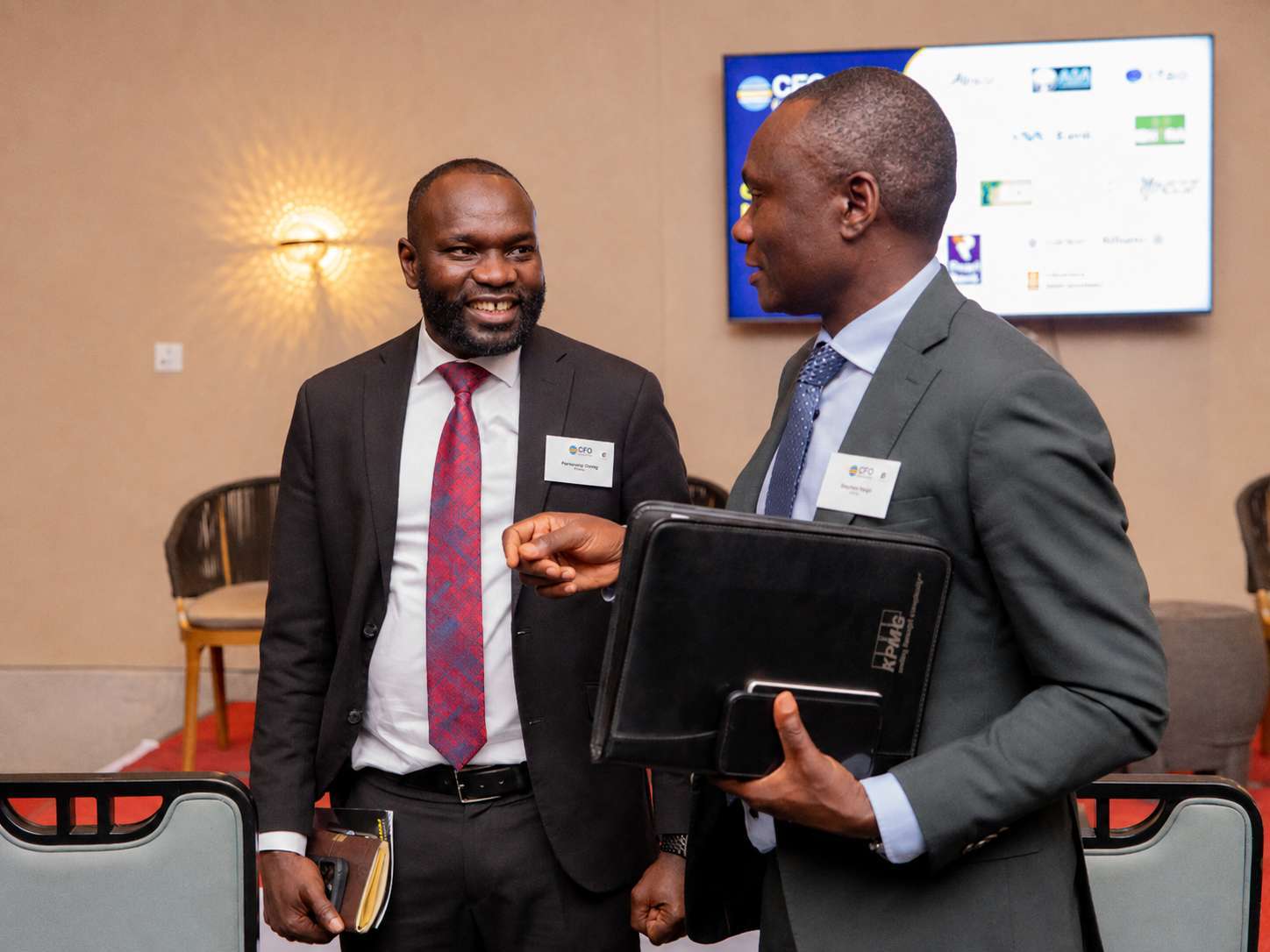
KPMG Uganda country managing partner Stephen Ineget spoke at the CFO Sustainability Summit at Four Points by Sheraton Kampala on August 13, where he said companies need to bring ESG into their financial planning as Uganda prepares for IFRS S1 and S2 reporting.
ESG is becoming part of the financial decisions companies make about their businesses. When he spoke at the CFO Sustainability Summit at Four Points by Sheraton Kampala on 13 August, KPMG country managing partner Stephen Ineget told CFOs that sustainability plans need to make financial sense and create value for the business.
“If there is a strategy for sure without value coming in the form of a return, I can tell you that strategy will not last. So profits have to be made. I will tell you that,” Stephen said.
Investors and lenders also want companies to provide information they can compare when making decisions. As Stephen noted, companies need to be clear about the frameworks they use to report on ESG and what they are doing across their operations and value chains.
“When people are talking about ESG, which framework are you using? We want consistency,” he said.
ESG is also affecting how companies access capital. Stephen advised businesses looking for funding need to show how environmental and sustainability issues are considered in their strategies.
“Today, if you're sourcing money globally, and in your strategy, it's silent on ESG matters. I can tell you, you'll go nowhere. Even when I talk to my friend Ronald here, that I want to talk to the credit guys at Stanbic to borrow money to put up accommodation for myself, they want to know whether it's next to a wetland?" he went on.
Breaking down silos
One challenge for CFOs is that different departments often work on different reporting timelines. This makes it harder to collect information that is consistent and linked to the company's strategy.
“You find some companies the financial reporting year end start of first December. When we do our HR appraisals, everything runs up to 30th August. Or for purposes of ESG, when we are collecting data sustainability, it is 12 months up to July,” he explained.
Stephen also observed that companies are dealing with gaps in knowledge and skills around ESG reporting, with some businesses still trying to understand the different reporting requirements and what they mean for their work.
“Yes, some of you are just beginning the journey. Yes, when people are saying scope 123, 1020, others are wondering what that is. There is even scope 20. Find out where you are” he said.
Uganda’s adoption of IFRS S1 and S2 is intended to provide a common framework for sustainability and climate reporting. In Stephen's assessment, January 2028 will be an important date, as 2027 financial statements will need to include disclosures that can be used for comparison in later reporting.
The quality of ESG data is another concern for companies, as businesses need to know who is responsible for collecting the information and whether the data is accurate enough to support reporting.
“Of course, the issue of data remains a challenge. Which data, who takes responsibility, how accurate it is, how close to being reliable, is a big issue. That's the roadmap,” Stephen said.
The CFO's role
Beyond data collection, Stephen pointed to the way departments operate within businesses, with teams working separately even when their information needs to come together for ESG and integrated reporting.
“We noticed that, whereas businesses either run based on a functional approach or something else, they still work in silos. So, that lack of collaboration has caused challenges when it comes to handling issues of ESG or integrated reporting,” he said.
In his remarks, Stephen urged CFOs to take on the role of bringing this work together, adding that their position within the business gives them an opportunity to connect financial reporting with sustainability reporting.
“The person who works closely with the CEO is a CFO, so you can influence the strategy. Financial integration is important,” he said.
For banks, the connection between ESG and finance is clear. Stephen gave agricultural lending as an example, where assessing environmental impacts can feed into calculations around expected credit losses and the capital a bank needs to hold.
“We can walk through your agricultural products, look at your customers, look at the impact, and then say, based on what we see, this is the impact. This is how it will contribute to your ECL IFRS nine, and this is the capital buffer that you need to build,” he said.