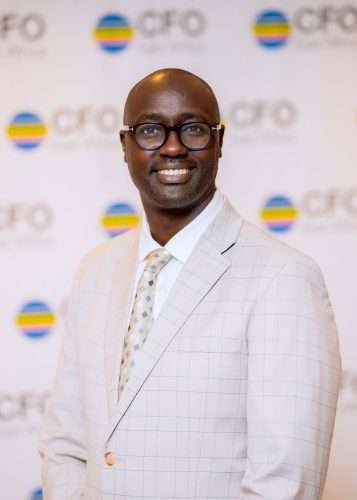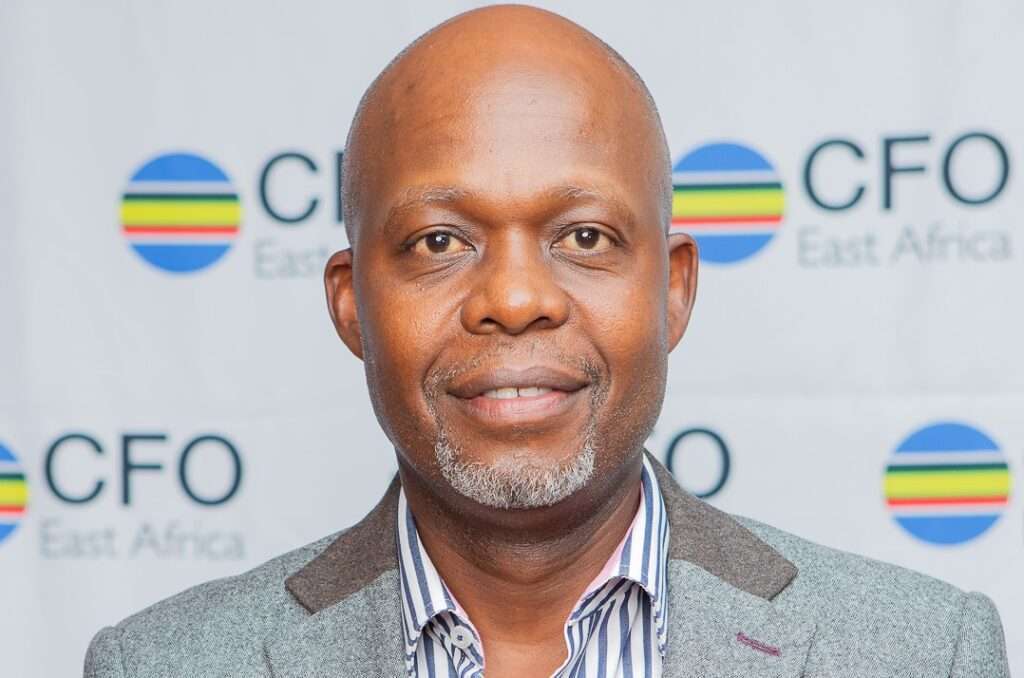
Lawrence Kimathi, the group FD of KCB, has described the banking group’s financial results for the year ended December 2023 as a mixed bag. Lawrence celebrated the growth in the balance sheet with both loans advanced and customer deposits showing marked increases. He however lamented the increase in non-performing loans (NPL) stock from Ksh 161 billion to Ksh 208 billion.
Lawrence Kimathi, the group FD of KCB, has described the banking group’s financial results for the year ended December 2023 as a mixed bag. Lawrence celebrated the growth in the balance sheet with both loans advanced and customer deposits showing marked increases. He however lamented the increase in non-performing loans (NPL) stock from Ksh 161 billion to Ksh 208 billion.
Speaking on X in a Space hosted by Mwango Capital, Lawrence explained that the increase in NPL was partly due to foreign exchange fluctuations in Kenya.
‘Let me give you an example. A customer has collateral worth Ksh100 million and you lend the customer USD1 million. There would be no need for adjustment in the financial statements if the exchange rate is USD1:Ksh100 which was the case when we lent the customer. However, as we saw last year, the exchange rate shot up to Ksh140 to the dollar. Now the customer owes you Ksh140 million but the security backing the loan is a local asset that is still worth Ksh100 million. You consequently have to recognise the difference of Ksh 40 million as a future loss,’ Lawrence explained.
He went on to say that delays in payment by the Kenya government of pending bills in excess of Ksh600 billion has had an impact on KCB’s NPL. Lawrence cited the example of construction customers who had borrowed from the bank to construct roads and buildings and are waiting for payment so as to honour their loan commitments. Others are SME’s who have done business with county governments.
The Kenyan shilling was on a decline in 2023 hitting Ksh161 to the dollar at some point. It has since registered significant gains and is trading at Ksh131 to the greenback in late March 2024. Asked what the reason for the changes in exchange rate were, Lawrence joked that if he could predict the exchange rate he would be sitting in the Bahamas sipping margheritas.
‘Let me give you my own view and not necessarily that of my employer. There are three reasons that the shilling is doing well. First, there has been positive sentiment following the measures government has taken to honour the Eurobond payment due this year. Secondly, the infrastructure bond government floated resulted in forex inflows and finally, there have been changes in interest rates overseas that have made emerging markets more attractive,’ Lawrence explained.
KCB Group announced that they will not be making payment of dividends for the first time in 21 years. Lawrence stated that they did not take this decision lightly given that the lender is well aware that many investors plan for the dividends in their cash flow projections.
‘The regulatory limits for total capital and core capital ratios are 14.5 percent and 10.5 percent respectively. Internally, we have our own limits of 16 percent total capital ratio and 12 percent core capital ratio. We decided to not declare dividends so as to remain within those percentages. Investors will see benefit from this as the money we have retained is being used for growth,’ Lawrence concluded.