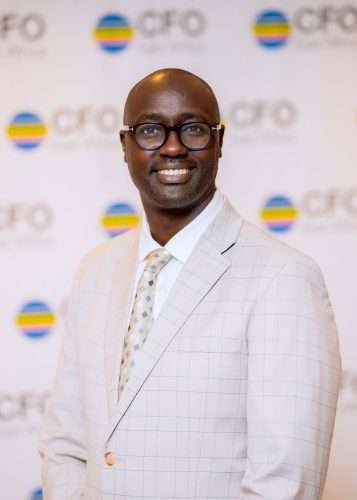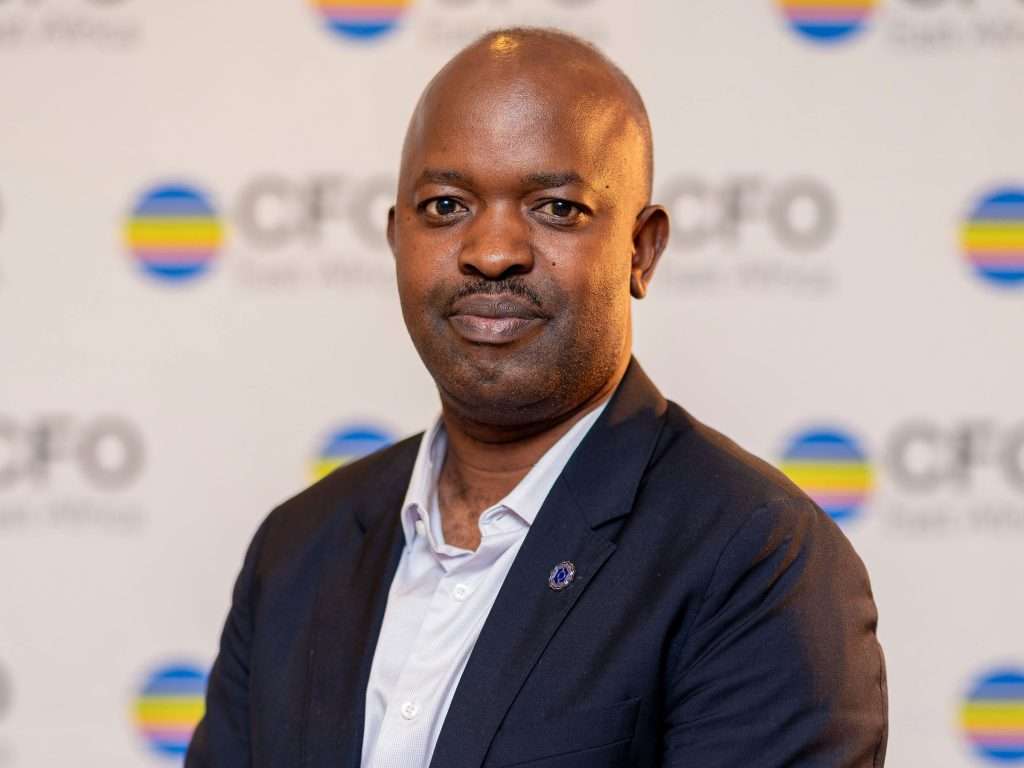
Crystal Ventures CFO Theogene Maniragaba reflects on the harsh feedback that reshaped his early career and why transparency matters more than appearing to know everything.
After leaving the world of external audit at EY, Theogene Maniragaba joined a major investment group in Rwanda. He was confident in his technical skills and eager to prove himself. What he did not anticipate was that the corporate world would demand a different mindset from him. He found himself challenged by a CEO who was direct enough to confront his approach to work. Theogene still remembers the sting of his words.
“He told me that my experience wouldn’t lead this company. He said that I needed to sit down and listen to colleagues and look at things from different perspectives, not only from the audit point of view. Because many times, we may have to break walls to build a business, and if I had to be the first wall to be broken, then I would be broken,” he said.
For a young finance professional who had spent years being told to project confidence in client meetings, being told to sit down and listen felt like failure. But 16 years later, Theogene, now CFO at Crystal Ventures, calls that same CEO a friend, even a parent figure. The feedback forced him to reconsider everything. He began seeking out colleagues’ opinions, asking questions he’d never thought to ask before.
“You’re changing from being a person looking in just one direction to taking a much broader view from different people. Then you’re going to make much more balanced decisions,” he noted.
The overconfidence trap
As Theogene explained it, the problem is that audit firms are extraordinarily good at building confidence in young professionals. At 25 or 26, many audit associates are presenting technical findings to senior executives. While their managers and partners know the engagement from a broader view, they understand the details.
“There is a way that external audit trains you, because you are on an audit engagement, and you are very young. External audit will build confidence in you, and if you don’t pay particular attention, it may turn out to be overconfidence, which is bad,” he said.
Although he learnt to adapt, Theogene did not abandon everything he learnt in audit. One principle from those early days became his North Star, especially when he moved to internal audit and his reports went directly to the CEO and board. The principle became a framework that forced him to think differently.
“There is one principle that will never really be cleaned from my heart, my head. The principle of ‘what could go wrong?’ that I learnt from external audit. It teaches you to see things from the risk perspective, then you try to close gaps from there. Then you keep on asking yourself from start until the end, what could go wrong? What will the CEO ask me that is still uncovered? What could be the issue that the board is going to raise that can undermine my report, my position, my work?” he added.
Radical transparency
Ask Theogene about his leadership philosophy today, and he uses an unusual phrase: radically transparent. Before Rwanda’s transition from French to English systems following the 1994 genocide, finance leaders weren’t called CFOs.
“We had people called DAFs, which stood for director of administration and finance, and they were known for being the ‘no’ people. Then we started seeing the roles of CFO with a much broader view of what finance and leadership is all about,” he revealed.
Theogene sees himself as part of that new generation, one that partners with business units rather than blocking them. This means he is focused on making decisions visible, a departure from before, when they were shrouded in mystery.
“If I ever have a chance of participating in recruitment, I ensure that we recruit the best. With my team, I always try to be deliberately, intentionally and radically transparent and fair because when your team knows why you’re making a certain decision, they’re going to stay engaged in that decision,” he said.
Transparency also means admitting when he does not know something. He considers this natural rather than a weakness and he actively encourages his team to correct him or fill gaps in his knowledge.
“You can rely on their technical expertise. You don’t have to shy away from asking, how do you understand this? Can you support me on this? Failure to learn from them is going to have an impact on you,” he added.
The weight of decisions
Because of his non-hierarchical leadership style, people across the organisation seek his advice on professional and personal matters, a dynamic that gives him personal fulfillment.
“Perhaps I can say the number of people that I have been able to nurture over time is my biggest achievement. These people whose careers I have had an impact on. You may not be able to translate it into monetary values, but I believe it’s much greater than whatever can be counted,” he explained.
Regardless, leadership carries difficult responsibilities. Theogene has had to make decisions that cost people their jobs. Those decisions still surface in quiet moments as questions that do not have easy answers. He is acutely aware of the ripple effects in African contexts, where extended families depend on individual earners. One person losing their job can impact parents, children, and siblings.
“Sometimes you’re going to make decisions that are going to affect people whether you want it or not. After this, you challenge yourself and ask whether you should have done better or made a different decision. It keeps going through your head as days go by.”
On Sundays, Theogene is a preacher at his Anglican church, a role that might surprise those who only know him professionally. The animated executive describes himself as naturally shy. In 2013, he felt compelled to share his faith story despite this. He tried preaching once and never looked back.
“When people talked about faith, I just couldn’t understand what it was until I got saved. Not a long time ago. It should be about 15 years now. It really transforms you, whether in your family, social, or work-related way of being,” he said.