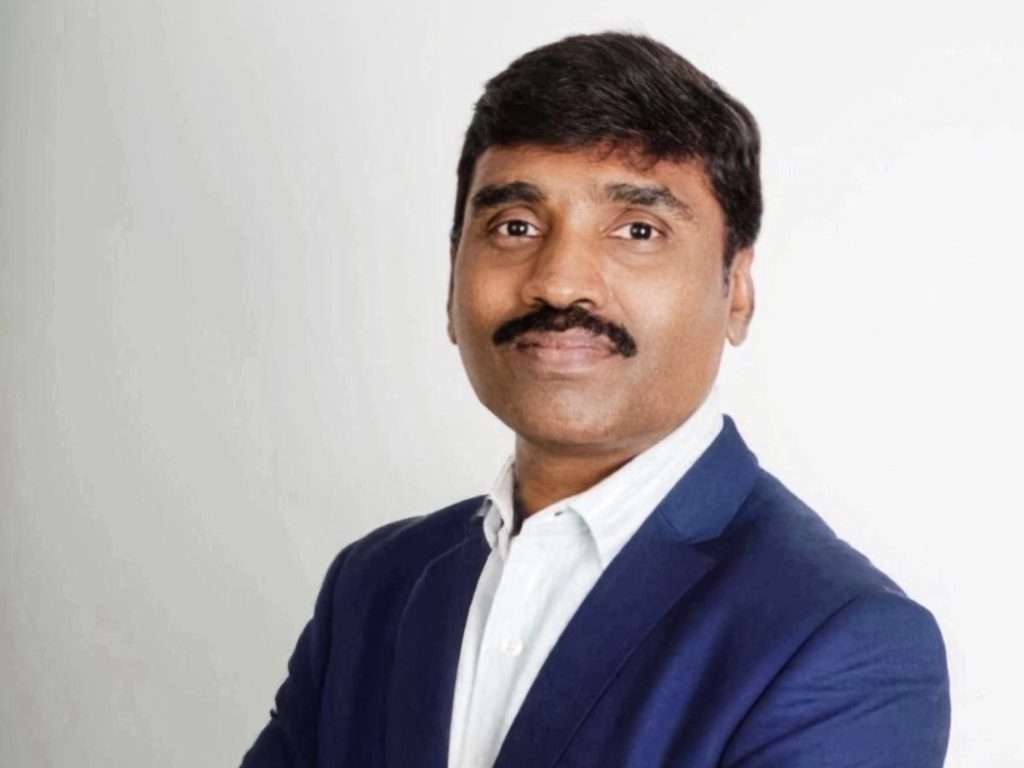
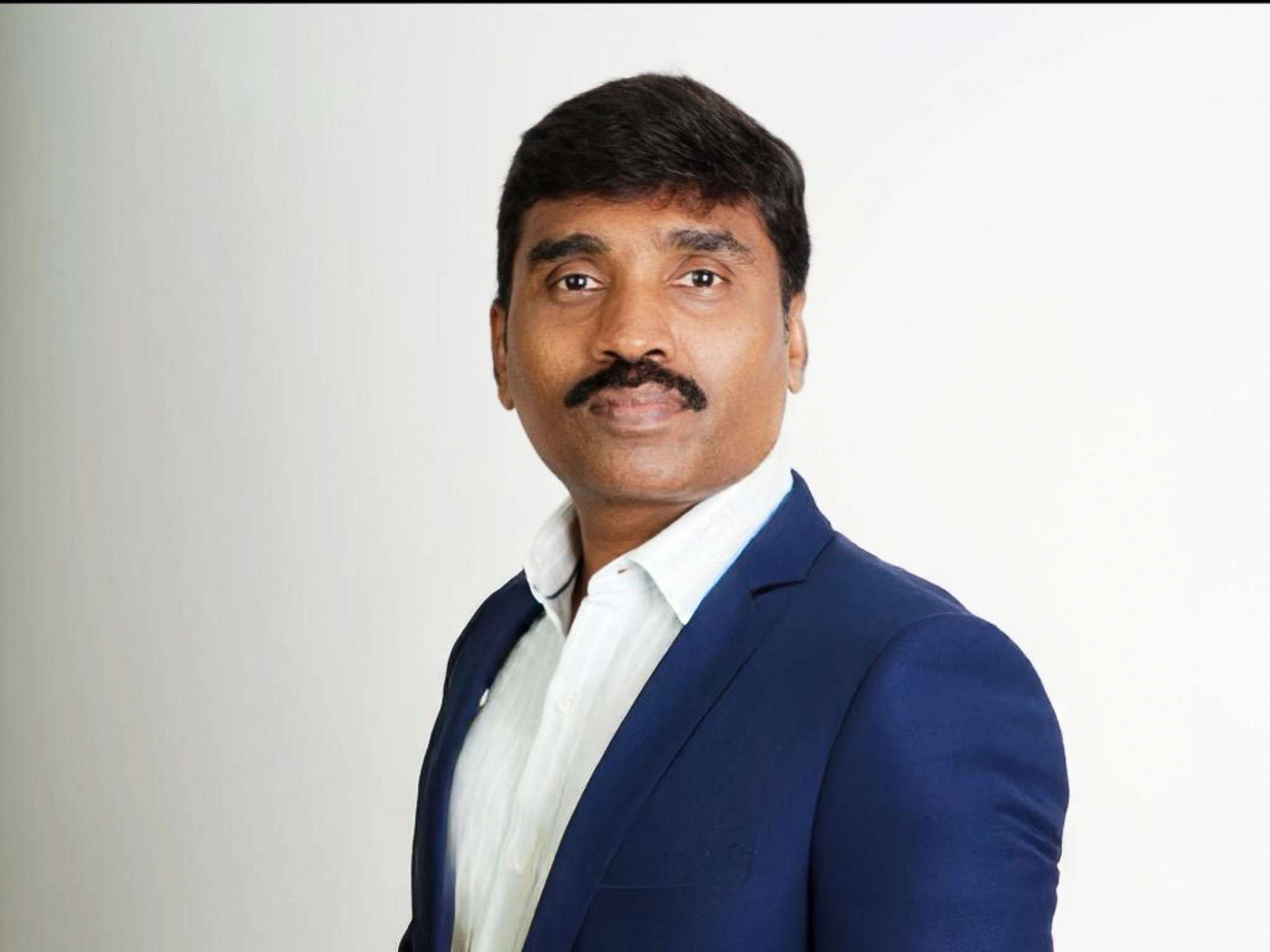
Tanga Pharmaceuticals and Plastics (TPPL) CFO Surendra Tadikamalla is a firm believer in stepping out of one’s comfort zone and taking a risk. And this is partly how he creates trust in his team by supporting them through the discomfort of learning new things.
Most organisations phase in ERP systems gradually, taking time to get all their ducks in a row before the full switch. But at TPPL, Surendra Tadikamalla overhauled the system across 11 departments in one day. Although there was scepticism, the cosmetic giant’s CFO insisted on a simultaneous rollout, seeing it as the only way to create a truly integrated structure.
“The challenge is not selecting the technology. It is the people’s mindset. To change people’s mindset is the major challenge to implementing something. Even though it is beneficial, people are reluctant to change,” he said.
The ERP overhaul allowed the finance team to generate real-time updates across the company, making reporting instant. Since then, documentation has improved and discrepancies in reporting have all but vanished. Surendra considers this one of his proudest achievements.
“We have received various awards for being best in compliance,” he said.
The Indian national has a clear-eyed sense of what makes change difficult. He believes most resistance stems from fear or lack of training. As part of his change management process, he likes to meet people at their level and support them through the discomfort of learning new things.
“I’ll ask them how they do it. Sometimes they don’t know how to, so they do it the long way. I explain that their way might take four hours, but if they do it another way, it can be done in one hour,” he explained.
A positive work culture
Over time, this approach has created trust within his team. Employee turnover in the department has remained low in the last six years. Surendra credits this to the culture he has built, where people are allowed to make mistakes and given what they need to succeed.
“If someone makes a mistake, I do not shout. I ask what made you make the mistake? Maybe the problem is not the person but their computer, or the lack of training,” he explained.
Surendra is no stranger to failure. When he was in secondary school, he failed his Class 10 exams, leaving his senior secondary plans in limbo. To add salt to the wound, his classmates taunted him mercilessly. He believed he was just not cut out for school and wallowed in his disappointment for some time.
“I realised people were giving importance to studies. So, I decided to start taking my studies seriously, because doing this gains respect,” he reflected.
After he switched to commerce, he quickly rose to the top of his class. By the time he qualified as a chartered accountant in 2003, he was ready to leave India for better opportunities. His exploits took him to Botswana, South Africa, Angola and Gabon, mainly in audit and internal controls. But still, he felt something was missing.
The move to industry
“I found there was not much challenge in the audit. I’m not part of the decision-making of the business, so I thought, ‘Let me move to industry’. That’s how I came to Tanzania,” he said.
At TPPL, he divides his time evenly between operations and strategy. He tracks stock positions, cash flow and risk exposure every week, while also leading long-term planning.
“I give 50 percent of my time to core finance and compliance. The other 50 percent is for vision, strategy and improving efficiency. I am part of the team that formulates the company strategy. We want to double the business in the next three years,” he said.
Mentorship, Surendra reveals, has made that split possible. In 2021, he joined the MECA CFO coaching programme led by Saleem Sufi.
“From that coaching, I learnt companies now have to focus more on intangible assets than tangible ones. One is people, another is technology and the third is culture. These three things differentiate you from competitors. Because culture, people and internal systems cannot be copied,” he said.
Sharing knowledge
Surendra now shares those insights with his peers. Drawing from his own journey, he often writes and speaks about how mid-level professionals can transition to executive roles. He believes many people remain stuck because they lack visibility and mentorship despite their obvious talent.
“The biggest risk in life is not taking any risks. You should not stay in your safe zone. Maybe you have exceptional skills, but you are not visible to the world. How will the world know your value?” he said.
For Surendra, the workday does not end at 5 pm. He often approves purchase requests from his phone at night or works on strategy slides over the weekend, as he does not believe in traditional work-life balance.
“A mentor once shared with me that work-life integration often serves us better than striving for balance. If my child is unwell, I prioritise family. If a critical report is due, I ensure it’s completed, even if that means working on a Sunday. This flexibility allows me to meet both personal and professional responsibilities without compromise and it transforms pressure into purpose,” he said.
To keep his mind sharp, Surendra reads widely and follows strategy case studies through podcasts and on YouTube. He advises finance leaders to understand both the numbers and the stories behind them, as communication is at the heart of leadership.
“If you have very good thoughts, you have to convince the management. They have to believe what you believe. I want to learn storytelling techniques and leadership skills. That’s what I’m still working on,” he said.