Creative industries across East Africa are gaining global attention and contributing meaningfully to economic growth. Yet despite their cultural and economic value, they still face major financing obstacles.
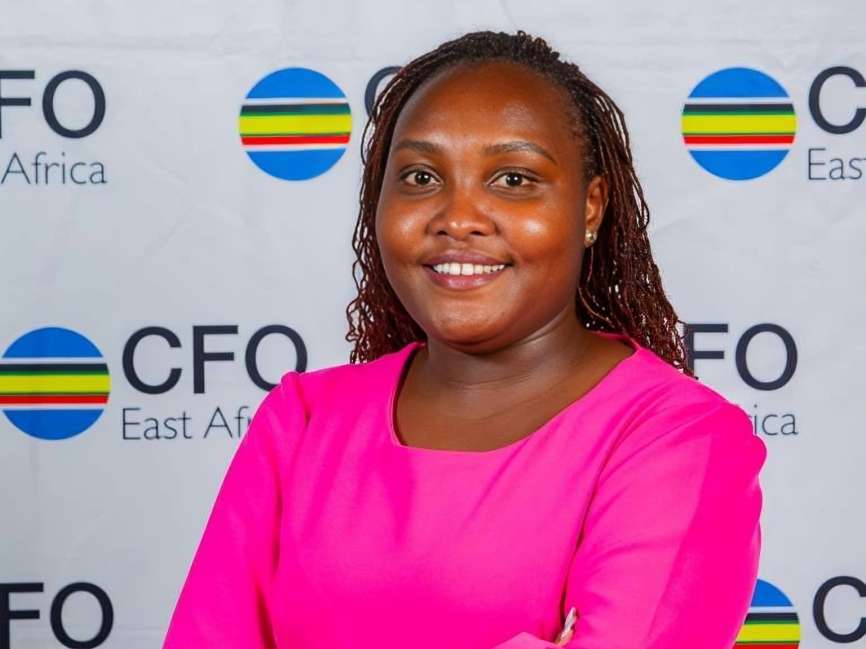
As HEVA Fund FD Dr Karimi Ngeera writes, CFOs can help unlock the sector’s potential by championing alternative financing models, supporting policy reform, and bridging the gap between creative talent and capital.
Creative entrepreneurs in East Africa face huge barriers when looking for financial support for their ventures. Traditional financial institutions often view these businesses as high-risk investments. This is primarily due to their reliance on intangible assets, like intellectual property, rather than physical collateral that banks typically favour. The resulting funding drought forces many promising creative businesses to stagnate or seek less favourable financing arrangements that may compromise their artistic vision and long-term sustainability.
Further, government priorities across East Africa rarely position the creative sector at the forefront of economic policy. Creatives often deal with weak regulatory frameworks and inadequate public funding. The absence of concrete policies leaves creative entrepreneurs operating in uncertain environments where rights protection and business incentives remain underdeveloped.
The lack of centralised advocacy bodies further fragments support structures. Without coordinated legislation across the region, creative businesses face inconsistent rules and opportunities depending on their location, limiting cross-border expansion and regional market access that could otherwise fuel growth.
Many East African creators enter the market with extraordinary artistic talents but limited business understanding. This knowledge gap affects their ability to develop sustainable business models or effectively pitch to potential investors. Without solid financial literacy, even promising creative businesses struggle to demonstrate their potential returns thereby reinforcing the perception of high risk.
Significant barriers
In East Africa, inadequate infrastructure - both physical and digital - creates significant barriers for creative businesses attempting to scale. Good quality production facilities and distribution networks remain few across the region limiting creators’ ability to produce and deliver high-quality outputs efficiently. Piracy presents yet another huge challenge undermining legitimate revenue streams for creative businesses.
The disorganisation of creative associations in turn slows down advocacy for better financing structures, as creative entrepreneurs struggle to influence policy decisions or attract coordinated investment to the sector without unified voices. Fragmentation prevents the development of specialised financial products that could address the needs of creative businesses in East Africa.
Global interest in authentic African creative work has rapidly increased creating numerous market opportunities for East African creators. International audiences increasingly seek out African music, film, fashion and visual arts opening new revenue channels for businesses that can access these markets. This rising demand represents a powerful counterargument to the perception of high risk in creative investments. As global consumption of African creative products grows, so does the potential for sustainable returns, making these businesses increasingly attractive to investors willing to look beyond traditional asset evaluations.
The widespread use of digital platforms has also transformed how creative content reaches audiences. Online marketplaces and social media channels now enable East African creators to connect directly with global consumers bypassing traditional gatekeepers and distribution bottlenecks that previously limited market access. Emerging technologies like AI are further improving productivity. These digital tools allow smaller creative businesses to compete more effectively while creating new business models that can attract investment through their scalability and efficiency.
Specialised financing initiatives such as HEVA Fund’s East Africa Creative Business Fund, are now emerging to address the unique needs of creative businesses. These initiatives combine grants with capacity-building efforts acknowledging that financial resources alone cannot address the complex challenges creative entrepreneurs face.
Meanwhile, regional integration efforts, particularly through the African Continental Free Trade Area (AfCFTA), signal positive changes in the policy landscape. These initiatives create potential for increased cross-border trade in creative goods and services by reducing trade barriers across borders thereby expanding market opportunities for East African creators. As governments begin recognising the economic potential of creative industries, policy frameworks are gradually evolving to provide more supportive environments. These improvements, though still developing, represent promising steps toward addressing the regulatory gaps that have historically limited creative sector financing.
The economic potential of creative industries
Governments across East Africa must prioritise the creative economy by developing comprehensive policies that recognise its economic potential. This includes implementing tax incentives for creative investments and developing clear copyright legislation that protect creators' intellectual property while facilitating market access.
Training programmes on financial management and business development will also empower creative entrepreneurs to build sustainable models and engage effectively with potential investors. These initiatives will help bridge the communication gap that often prevents successful funding relationships by equipping creators with the language and tools of finance.
Diversifying funding sources through crowdfunding and specialised impact investment funds or venture capital will create more access points for creative businesses looking for capital. These alternative sources often better accommodate the characteristics and business cycles of creative businesses.
Moreover, investments in digital infrastructure including expanded internet access through initiatives like subsea cables greatly improve connectivity for creative businesses. Together with this, developing stronger copyright enforcement mechanisms will address piracy concerns that undermine revenue potential.
In addition, building stronger networks between creatives, and both government and private sector stakeholders will create a more connected ecosystem capable of attracting investment and encouraging innovation. These collaborative environments amplify advocacy efforts while creating knowledge-sharing opportunities that benefit the entire sector.
While significant challenges exist in financing creative businesses, emerging opportunities and innovative solutions offer the next steps for creative entrepreneurs looking to find success in a challenging environment. The rewards make the efforts of creatives worthwhile and essential for East Africa's complete development. The combination of cultural significance and economic potential positions creative businesses as important contributors to the region's future prosperity.
As global interest in African creativity continues to grow, the opportunity to transform artistic work into economic empowerment has never been greater.