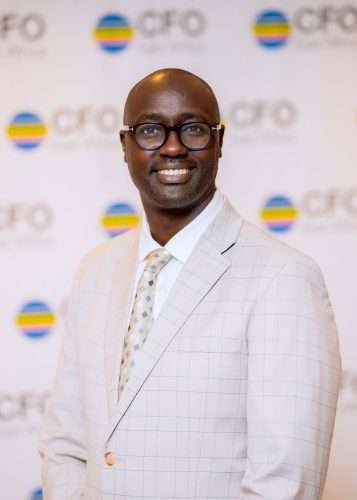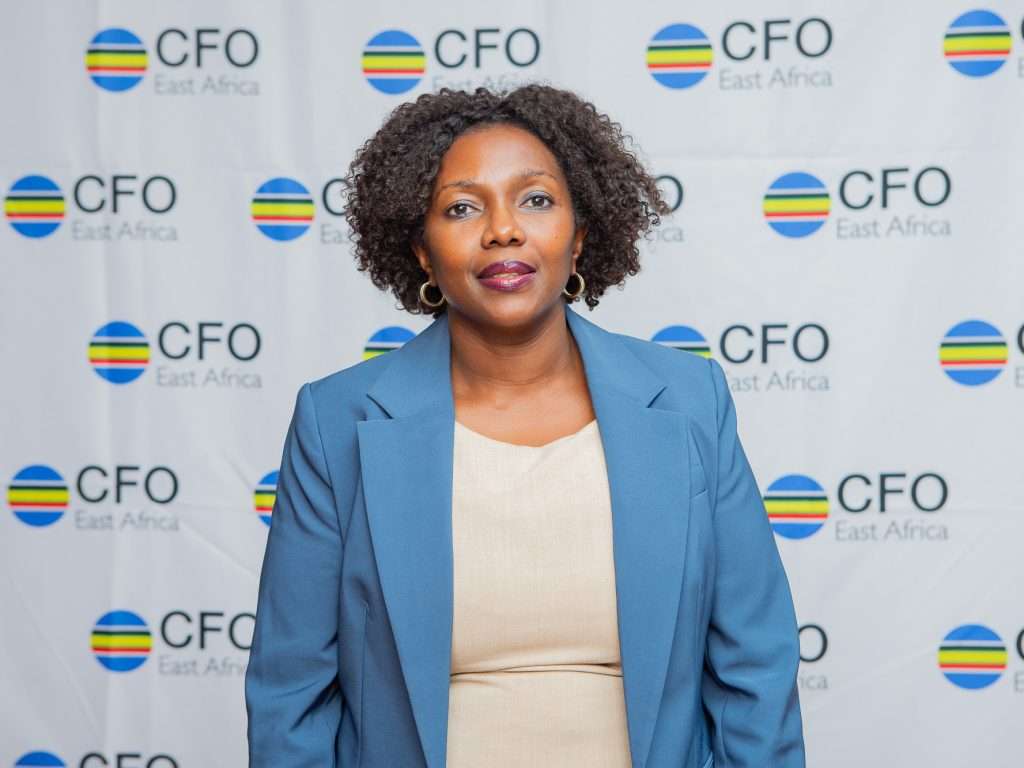
Miriam Kaggwa’s experience spans nearly the entire spectrum of C-suite leadership. Between July and October 2025, she served as interim CEO at advertising behemoth WPP Scangroup after nine months as COO and more than a decade in senior finance roles across different markets.
WPP Scangroup COO Miriam Kaggwa unpacks the transition from steward of the numbers to enterprise leader.
How did your diverse experiences across finance (CFO) and operations (COO) shape your strategic approach to leading the entire WPP Scangroup ecosystem?
The rigour and financial discipline from my CFO and finance days combined with the deep understanding of numbers and the depth of understanding of all parts of the organisation that I gained as the COO all come into play on a day-to-day basis as the leader of the company.
Are there any strategic shifts or continuity measures you were focusing on during the interim period?
The strategic mandate remains the same. It’s profitable growth, it is people, it is sustainability to stand up in the communities that we are in and create a difference. It's data, digital and AI. From a strategic point of view, there has not been a shift.
What is changing is the rigor and sense of urgency with which we execute that strategy. What you’re going to see more of is a laser focus on profitable growth, being out there, hunting, delivering for our clients. It’s a continuation of the strategy, but an urgency in executing that strategy.
Looking at the African market, what are the significant shifts you see in how clients are approaching marketing and communications, and how is WPP Scangroup positioning itself to lead through these changes?
Clients are leaning towards local content with cultural relevance within the communities they’re targeting. This is where we as an agency win. We have a large geographical footprint on the continent either through owned presence or via affiliates, so we are well positioned to meet the need for local insights and nuances. There is also a fast shift from mass/traditional media to digital.
What is one common misconception about the region’s consumer or business landscape that you believe brands often get wrong and what is your advice to them?
Treating the African consumer as one segment. Even within one country like Kenya, there are vastly different consumer segments depending on income, age, geographical location. These nuances drive the way they consume. Brands must meet consumers where they are. Attention span is another nuance that is often missed. Consumers are constantly on multiple platforms and are easily distracted. This means messaging must be clear, short and cross-platform to be effective.
WPP Scangroup has a vast geographical footprint. How do you leverage the global power and insights of WPP while maintaining the local agility and deep market understanding crucial for success in Africa?
We operate on what I call a “glo-local” model combining the global expertise of WPP with the local customisation of WPP Scangroup.
In each geography, we have local talent who offer local insights, languages and cultural nuances. This is backed by WPP’s world-class technology, data and AI investments. The combination of local insights and global tools makes us a formidable force in the marketplace.
Beyond new client acquisition, where do you see the most promising opportunities for high-margin, sustainable revenue streams for WPP Scangroup in the next two to three years?
We are balancing traditional media (our bread and butter) and next-generation products that offer higher margins. These include OBrio (media dashboard delivering detailed ROI reports across all above and below the line media sources) and InfluenceO , an influencer management ecosystem, customised for African markets, alongside growth in data and AI-driven solutions. This dual approach will drive sustainable growth over the next two years.
You’ve identified sustainability as a key strategic imperative. How does WPP Scangroup define sustainability beyond environmental concerns and how is it integrated into your core business strategy to create shared value for clients and communities?
Our sustainability pillar focuses on communities and partners, including clients and media partners. We view sustainability as building a resilient business ecosystem that creates shared value. We work with clients to amplify their positive impact in communities while elevating their brands and we have seen many examples of campaigns we have done to that effect.
For our partners, we strategically partner with media vendors creating a diverse ecosystem, gaining access to unique, authentic channels for our clients, which is a competitive advantage.
What steps did you take to reassure investors, employees and customers during the leadership transition?
I am out there, meeting clients, articulating our vision, focusing on seamless delivery. Internally, we have gone through what many other businesses are going through, looking at our structure to ensure that it is fit for purpose. We are at the tail-end of that exercise. We are then beginning to work through creative ways of ensuring that the experience of our people in the workplace is rewarding and fulfilling. It is a journey, but we have begun.