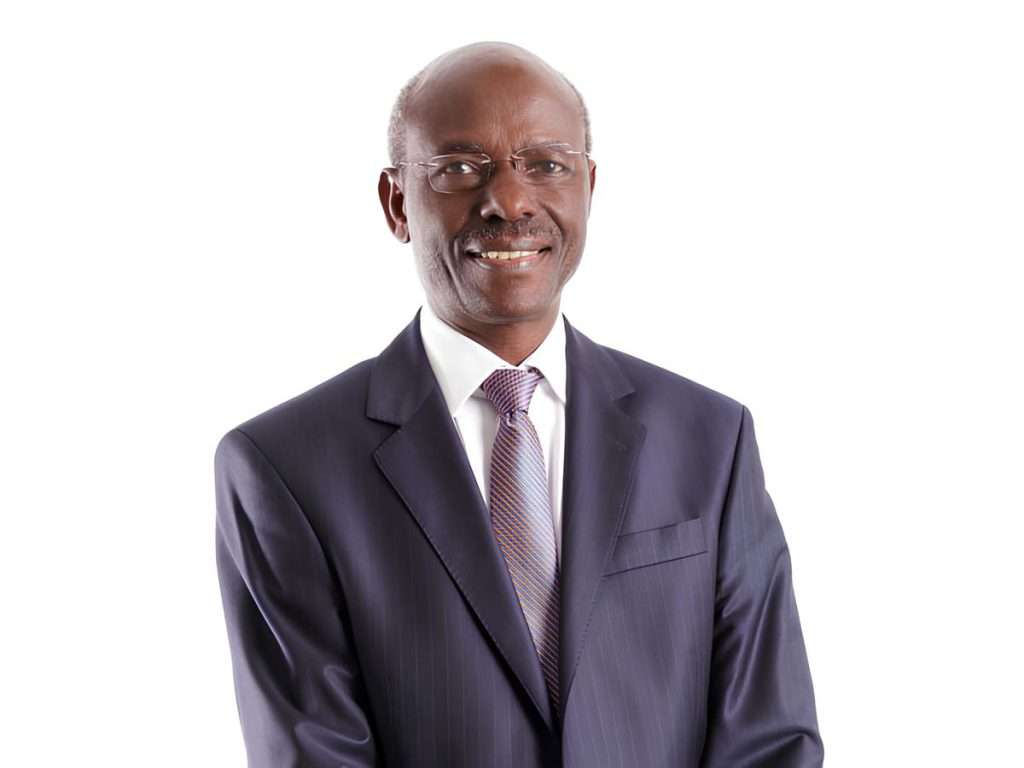
Tanzania Breweries board chairperson and former PwC Tanzania country senior partner Leonard Mususa has over three decades in assurance and board leadership. Ahead of the 2025 CFO Awards for East Africa, he unpacks why he sees the CFO as central to translating strategy into action.
You’ve worked closely with CFOs in different capacities. How has that shaped your view of their role?
I was in the profession for 36 years, mainly in assurance. So I spent a lot of time working with CFOs as an auditor, later as a partner, and now from the boardroom. Initially, you’re almost like a policeman. You’re checking their numbers, their systems. But over time, your role changes. With a growing understanding of their business including their markets, you become a partner in solving problems. You help them think through strategy, control, reporting, all of it.
Most of your insight into a business starts with the CFO. Even when you’re discussing strategy, it eventually comes back to the numbers. The CFO translates strategy into action, into plans and budgets, resource allocation and risk management. They’re central to keeping things on track.
You mentioned risk management. How do CFOs contribute to that?
They’re right in the middle of it. If you’re running a business, every revenue stream carries risk. The CFO is often the one helping to mitigate that risk, especially when it comes to financial controls. And then there’s regulatory compliance, which is especially critical in sectors like banking and insurance. The CFO’s role there is non-negotiable.
You’ve worked with CFOs across industries. Are there sectoral differences?
Absolutely. Financial services demand more reporting and regulatory involvement. But I’ve worked with telecom, manufacturing and others, and in every case, the CFO remains a key figure. No matter the sector, they’re expected to know where the company is headed and how to get there.
How has your view of the CFO evolved since joining boards?
It’s changed. As a board member, your information comes through the CFO. You rely on them to understand the business. If the CFO isn’t solid, you’re in trouble. That’s why in board and committee meetings like audit, risk and credit, you always need them there. They provide the grounding you need to make decisions.
What value do you think the CFO Awards bring to the region?
Awards like this focus attention. They get people thinking about financial control, management and reporting, not just reporting for its own sake, but as part of how you run a business. Whether it’s a legacy company or a digital-first one, the CFO’s role has changed. The environment is changing, and the CFO needs to keep up with that change.
Sustainability, for example, isn’t just about CSR anymore. It’s embedded in how businesses operate. Are CFOs helping their companies build that into strategy? Into operations? That’s what we need to recognise.
So this is also about recognising that shift in expectations?
Exactly. In the past, recognition went mostly to the CEO. But any good CEO will tell you they depend on their team. And if you watch how strong CEOs operate, they bring their CFO to the table. They don’t present alone. They involve the people behind the delivery. That’s the model.
What will you be looking for when judging nominees?
Clarity. I want to see how well they understand their company’s mission and how they’ve contributed to delivering it. How have they turned strategy into action? How are they working with their teams to make it happen?
It’s also about people. Finance is technical, yes, but it’s also relational. Are they empowering others? Are they leading or just managing?
Any personal examples that shaped this view?
When I was on the NMB Bank Board, we recruited a CFO who later became CEO of NMB Bank. She was sharp. Very focused and capable. As CFO, she championed a cost reduction exercise with significant impact on the bottom-line. On becoming CEO, she spear-headed the preparation of a new strategic plan and subsequently relentless execution. What stood out was her ability to balance cost management with long-term growth. She didn’t just focus on cutting costs. She looked at how to do more with the right resources. That mindset is rare.
What’s your advice to upcoming CFOs who want to lead at the highest level?
First, get your fundamentals right. Understand accounting, internal controls, risk management. That’s your foundation. But don’t stop there. Pick up leadership and people skills. Understand the business, not just the numbers.
And be disciplined. Not just in showing up, but in how you grow. Find mentors. Stick to your development goals. Don’t expect to be a CFO in two or three years. It’s a journey. But if you’re consistent, you’ll get there.