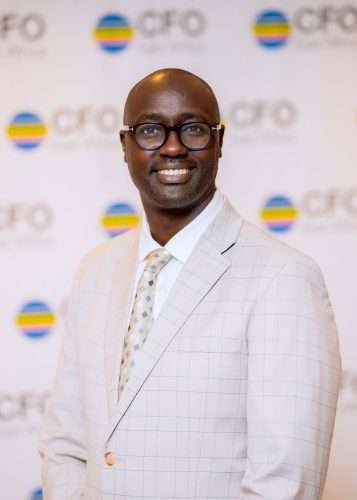
The second annual CFO ESG Summit saw finance leaders from across East Africa come together at the Emara Ole Sereni in Nairobi to explore the CFO’s role in ESG. Against the backdrop of a changing finance function, they discussed the sustainability imperative, sharing common points of concern.
The discussions at the 2025 CFO ESG summit offered a sweeping view of how finance executives are embedding ESG into financial strategy.
The first panel, featuring British American Tobacco (BAT) CFO Philemon Kipkemoi, EABL group CFO Risper Genga Ohaga, and Oracle finance director Dolly Sagwe Onyoni, unpacked how companies can weave sustainability into their operations and supply chains.
“We don’t just wake up and plant trees. It is because we’ve thought it through. Every department is responsible for ESG. And they must report on it. So for example, marketing must take responsibility for how women are portrayed in our adverts. If they are promotion girls, are they being given a safe environment?” Risper said.

As the executives noted, the ESG mandate goes beyond compliance. Dolly explained that Oracle integrates ESG through both internal practices and client solutions.
“We have measures for how people are engaging with topics like gender, race and culture. We also look at leadership and how it fosters inclusion. And then we assess if women are getting to senior decision-making levels,” she said.
According to the speakers, CFOs are best placed to bring harmony to each of these aspects. As Dolly noted, sustainability data comes from every function, including HR, procurement, and operations.

“What CFOs can do is come in and translate ESG results into business insights. They should not take a back seat and wait to be asked for the report, but actually come in and say, ‘We can structure things in this way’, and go to that decision-making table and say, ‘This is what makes sense for the organisation’,” she said.
Beyond compliance
EY East Africa partner Manasses Biwott then took the stage to take stock of the region’s progress in terms of ESG regulation. He noted that organisations often view sustainability solely as a compliance requirement and overlook its growth potential.
“We’ve not asked ourselves, how does ESG help us to compete? How does ESG help us to become more efficient? How does ESG help us to unlock new sources of revenue?” he said.

Manasses explained that integrating ESG into strategic planning requires the ability to link sustainability directly to financial statements. He cautioned that organisations that failed to do so would lose out on opportunities.
“If you are in an area that has flooding, for example, and your premises are near a river, what happens is you may not be able to operate. You may incur costs to recover from that flooding. So that becomes a financial risk, although initially, it was a sustainability risk,” he explained.
The theme of legacy and responsibility stood out in the partner address delivered by Stanbic Bank Kenya head of personal and private banking Abraham Ongenge, who encouraged CFOs to extend their stewardship beyond balance sheets to include societal impact, arguing that values matter as much as return on investment.
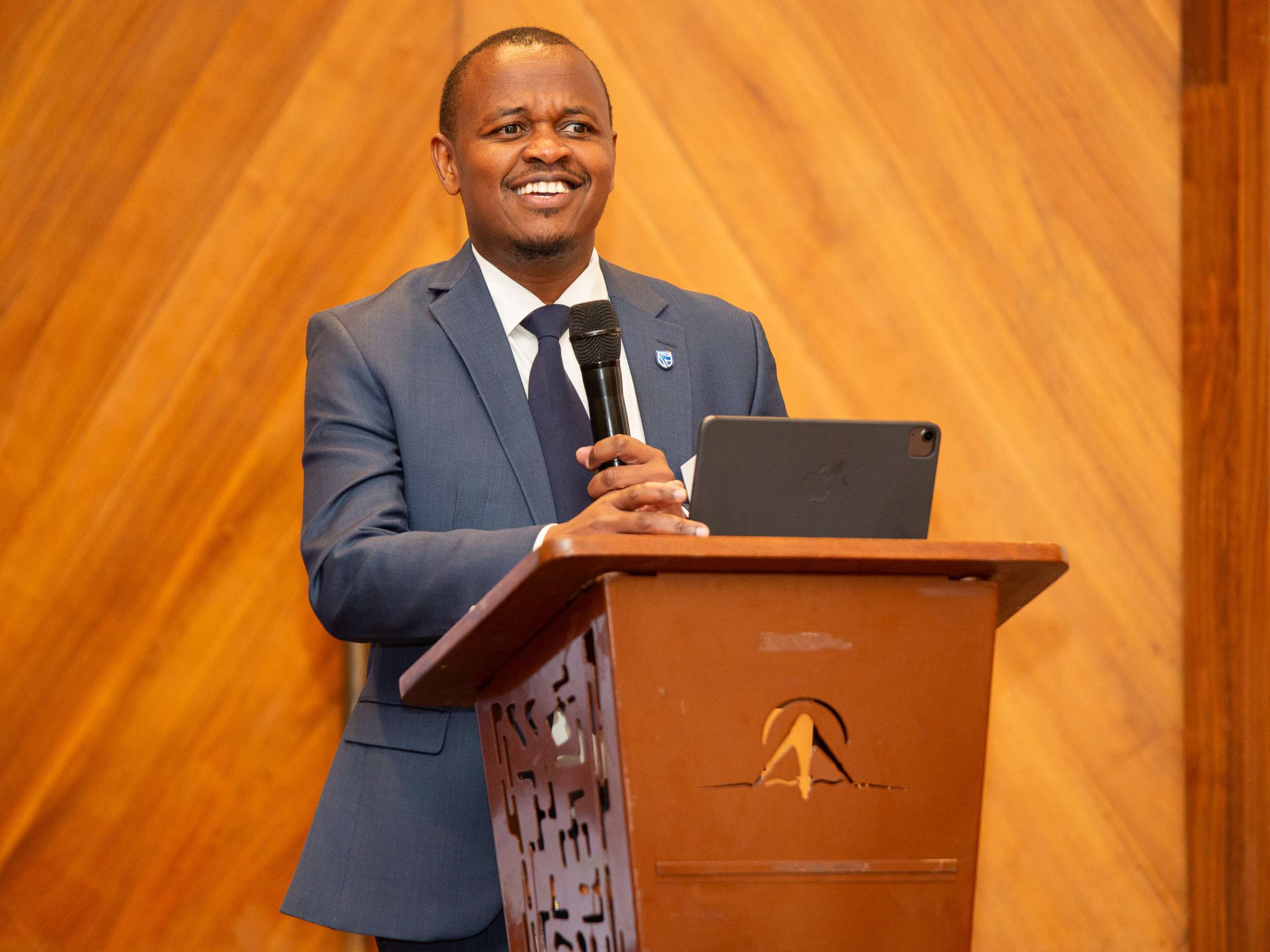
“Diversification could take the form of how you think about your own wealth. In terms of geographical diversification, offshore becomes important, especially in markets that are volatile like ours. Are you too heavy on real estate? Are you too heavy on bonds? Are you too heavy on private equity? Currency diversification is also quite important, especially in areas where you have volatile currencies,” he said.
Creating long-term value
After the breakout sessions AAR Insurance group CFO Hosea Kiprop and Bamburi Cement group CFO Eugene Antera led a feedback session, which revealed that most CFOs had not yet begun their sustainability journeys.
“We need to move from sitting at our desks. They say things on the ground are different. We need to go to operations, see what's happening, see what opportunities and lessons are there from the operations side,” Hosea said.
Eugene also challenged the room to think about how ESG metrics are prioritised.
“There’s been a lot of focus on the E, not so much on the S and G. Because when you emit, you can measure it. And when you can measure, then you can define improvement. But how do you measure the social? How do you measure inclusion? How do you measure diversity? It's the same with governance. So the S and the G are quite nebulous in terms of quantifying, and I think that's where the challenge is,” he said.
The second panel discussion built on this momentum, with Lake Turkana Wind Power (LTWP) CFO Alice Wathika, Ampersand Energy head of finance Collins Otieno, and Spiro group CFO Wangeci Kanjama speaking about the opportunities and challenges facing green ventures, particularly in e-mobility and renewable energy.

“Find a product that is commercially viable. You can have a social impact product, but you also need one that is making money for the business to self-sustain. Our challenge as CFOs is to jump into that space and get a blended finance structure to help our organisations succeed,” Collins said.
Enabling environment
This balance between financial stewardship and impact was a common concern. As Alice noted, many firms prioritise profit while neglecting the communities around them.
“We need support for local suppliers who lack basic things like VAT registration or ETR receipts, because without that, they’re locked out of procurement. We’ve started running forums to teach them how to register for PINs, use iTax, and comply, because real community empowerment requires capacity building, not just good intentions” she said.
Regulation and policy also emerged as a major barrier to the success of ESG-aligned businesses, with speakers pointing to Rwanda as an exemplar in the region. They also called for a transformation of the funding frameworks, noting that private sector financing is often risk-averse.
“Africa should not be the supermarket of EVs. We should be producing these vehicles in Africa. We should be assembling them. We should be creating jobs. But in order to do that, we need patient capital, we need affordable financing, and we need government policies that will not change with every financial year,” Wangeci said.
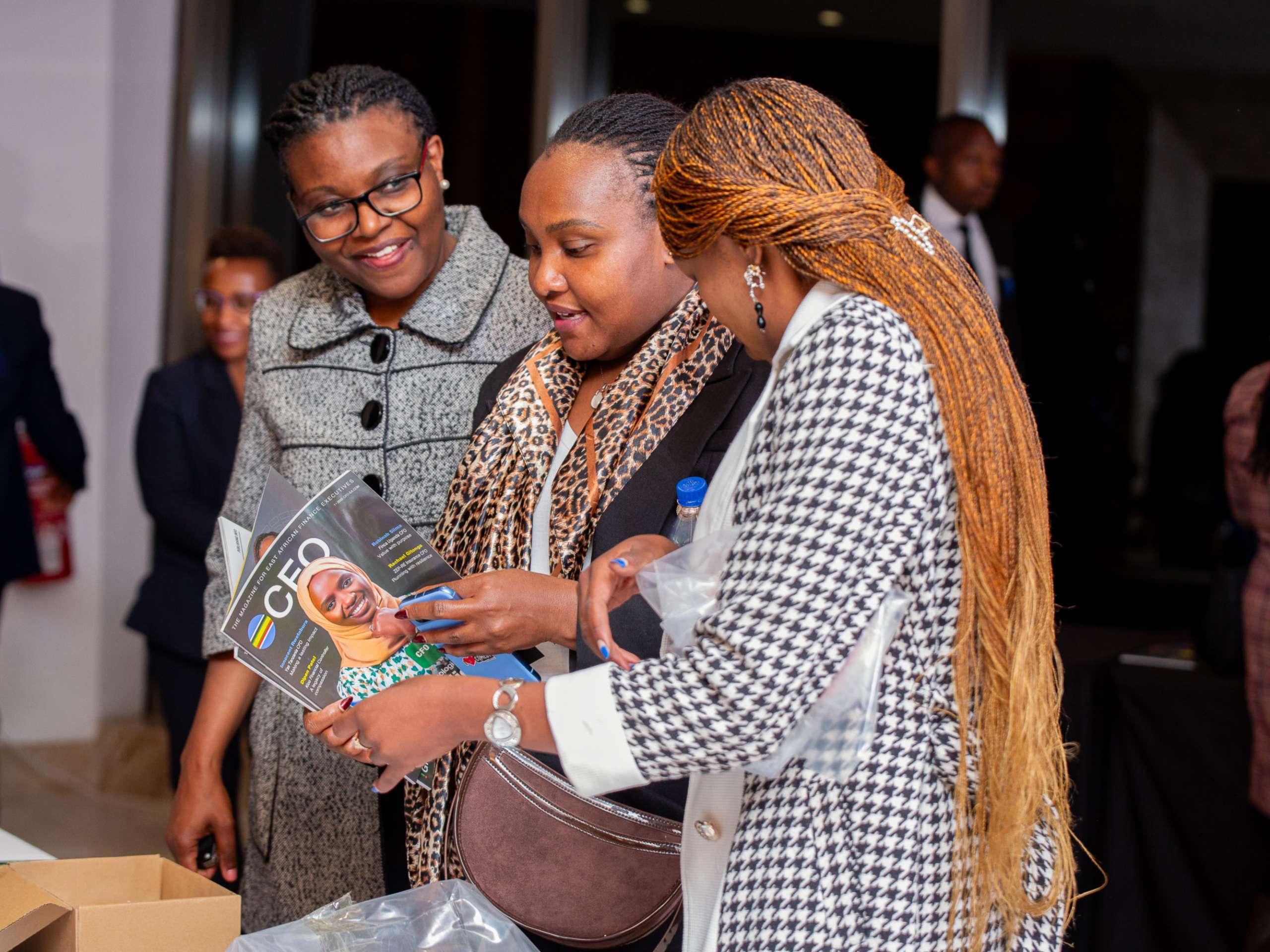
As attendees broke off to enjoy appetisers and mingle, a clear call emerged for finance leaders to move beyond compliance and explore the opportunities ESG presents.

“Sustainability is not just a cost to the business. There are huge opportunities that you will find in operations. You just need to go to the ground and look at how people are doing their work. Document that, quantify it, and influence a decision,” Hosea said.
The 2025 CFO ESG Summit was sponsored by principal event partner Stanbic Bank Kenya, principal community partner EY, and associate partners Boya, GardaWorld, and Yellow Card.