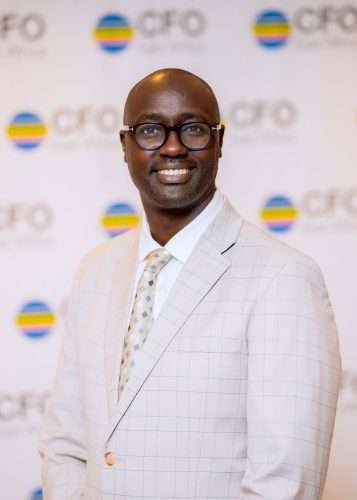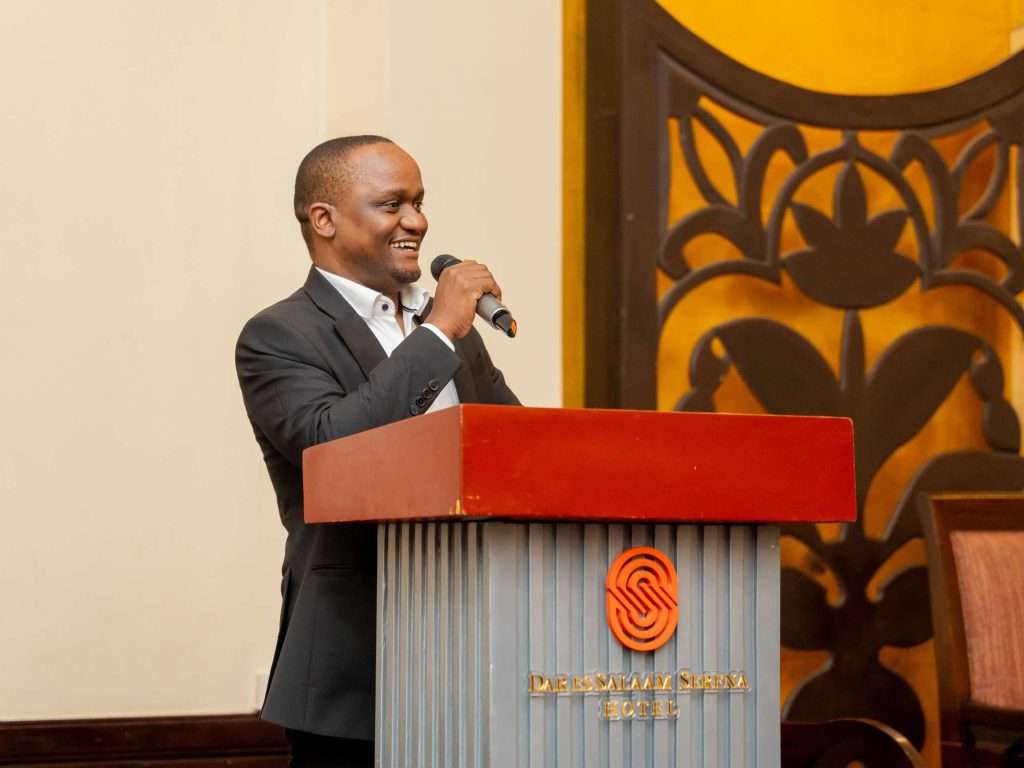
In his keynote address at the CFO Summit: Reflections and Aspirations summit, Absa Bank Tanzania CEO Obedi Laiser noted that “the only certainty in the current business environment is uncertainty”.
At the CFO Reflections and Aspirations summit held at the Dar es Salaam Serena hotel, Absa Bank Tanzania CEO Obedi Laiser, who until April 2023 had served as the executive director for finance, took stock of his journey to the corner office. When he joined the bank in 2016, it was making a loss. He shared how he and his team developed a recovery plan that turned the bank’s fortunes around.
“The biggest thing was that we needed more capital. We secured new capital, restarted our five-year plan in 2017 and made clear investments in people, technology, and everything else we needed to stay competitive. It was challenging, but we turned the company around. By 2021, we were consistently making profits, but after the pandemic we had to create a new approach. We transitioned from a turnaround mindset to one of ongoing transformation. Now, in 2025, we’re on a strong trajectory and confident about our path forward,” he said.
He urged CFOs to move beyond the traditional numbers-focused finance and engage with the strategic direction of the business. In his view, finance leaders must be willing to make tough decisions and take calculated risks.
“One thing that I learnt is that the finance shop must run smoothly. You must empower your financial controllers and let them handle the numbers, so you can focus on the bigger picture. You cannot be stuck in spreadsheets if you want to lead,” he said.
A key highlight of Obedi’s address was his focus on the broader economic challenges facing the region. He unpacked the impact of global changes in economic policy, such as US president Donald Trump’s directive imposing a minimum 10 percent tariff on all imports. He also touched on currency fluctuations and the need to build sustainable businesses, advising finance leaders to be proactive in managing risk and planning strategy.
Building resilient organisations
“There will never be a period where business leaders, CFOs and CEOs can make a 10-year strategy with the confidence that their assumptions will hold. From Covid to the Russia-Ukraine conflict, trade wars, economic shifts, and even the political changes after Trump, there will always be something. So, the real question is, how agile and adaptive are we going to be as business leaders to navigate these uncertainties and continue to lead our businesses towards sustainability?” he said.
Obedi warned that building resilient organisations was a necessary defence against frequent trade tensions and currency fluctuations, which have the potential to disrupt entire industries across the globe. He advocated for diversifying revenue streams and reducing reliance on single markets, predicting a renewed focus on fiscal consolidation.
“We do have the African Continental Free Trade Agreement that was launched three or four years ago. Is it happening the way it was thought before? Maybe not. Can African leaders come together and now think about how they can train among each other more and replace some of the impact that we see from the US? I think that is going to be a focus here for African leaders and business leaders as well. How are they going to make business easier amongst ourselves in Africa, so that we can trade more with one another, instead of looking externally, regional integration, East African Community and others?” he said.
Obedi also encouraged CFOs to avoid working in silos and collaborate with other business functions. To drive meaningful change, he argued, finance leaders must work closely with operations, technology, sales and other teams to build a cohesive business.
“Sometimes, as a CFO, you can pick up a lot of bad blood because you’re in a very sensitive financial management role and money is everything. So when you’re saying ‘no, no, no’ and pushing back, how do you manage that with your stakeholders? How do you guide them towards the organisation’s objectives while still maintaining strong relationships?” he said.
In closing, Obedi called upon CFOs to make a point of growing an often-neglected aspect of the business: its people. This, he noted, was crucial to creating longevity and a positive work culture that ensures the growth of its workforce.
“In finance, there are many people-related matters that come up, like cost management and talent development, because all these costs come to the CFO. People need to be developed, and they also want to celebrate and have Christmas parties, quarterly gatherings, department events. These are people costs. If you’re a very stingy CFO, you might only focus on profit and post-integration conversion. But how do you balance that when you also want people to grow?”