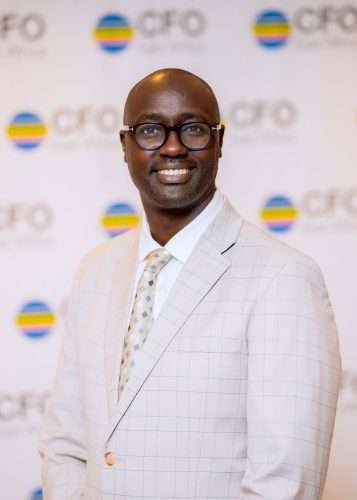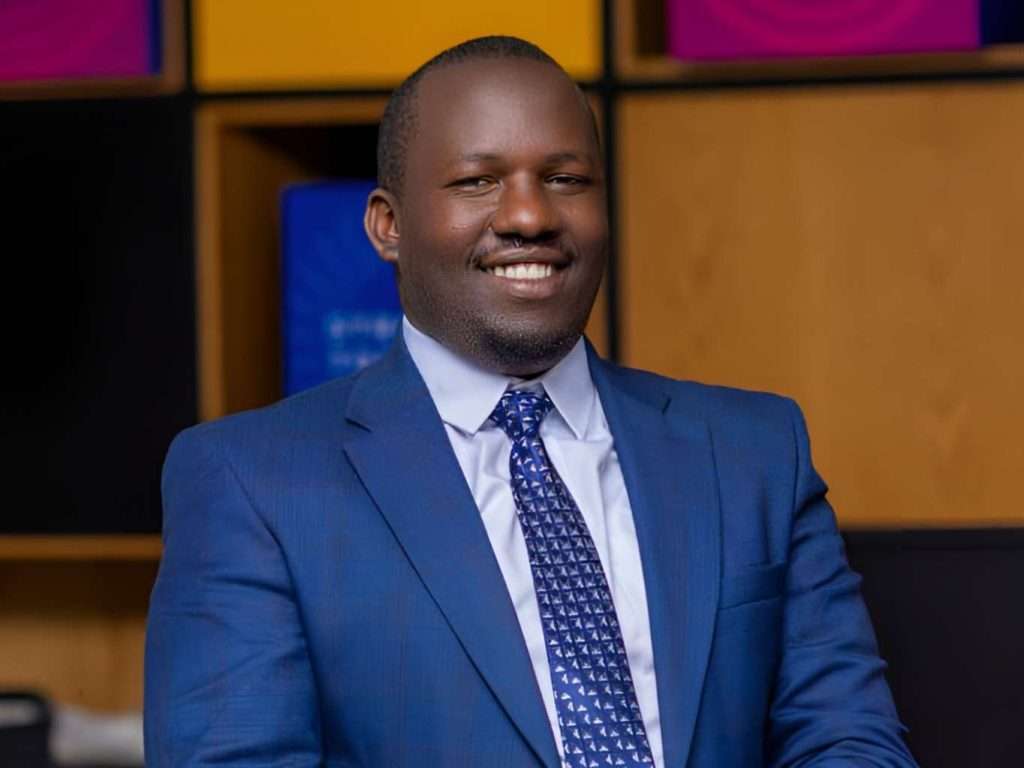
Tracing his passion for commercial discipline back to his parents' business, BAT Uganda head of finance Andrew Muhangi has built a career spanning audit and corporate finance.
Andrew reveals how his life as a farmer shapes his approach to work and why empowering people is essential for scale.
Walk me through your career journey. What drew you to finance initially?
My career has spanned three main areas: audit, development finance and corporate finance. I have worked at British American Tobacco (BAT) Uganda since 2018, in various capacities, including as head of finance at present. I’ve worked across several countries, including Rwanda and the Horn of Africa. I became interested in finance at an early age, while helping my parents with bookkeeping in our family business at the time. This gave me a hands-on introduction to controls, cash management and commercial discipline, fuelling my interest and passion for finance. When I went on to study, I pursued a BCom, majoring in accounting, and graduated with a first-class. I later completed an MBA in accounting and finance, and I am also a member of the Institute of Certified Public Accountants of Uganda.
What energises you most about being a CFO in East Africa today?
The opportunity to lead in a region undergoing significant regulatory, economic, and technological changes. CFOs today influence investment choices, regulatory readiness, and business resilience. I am also excited by the shift towards data-driven and digitally enabled finance, where CFOs are reallocating capital towards long-term value drivers such as digital compliance, process automation, and workforce capability.
Tell me about a financial decision that kept you up at night. What was at stake?
One of the toughest decisions I have been involved in is developing a pricing strategy for the business. The stakes included protecting shareholder value, while ensuring consumer affordability. I learnt that decision-making, especially for a finance professional, requires not only quantitative but also a qualitative approach, ensuring that all options are weighed before a decision can be taken. In taking a decision, time is of essence.
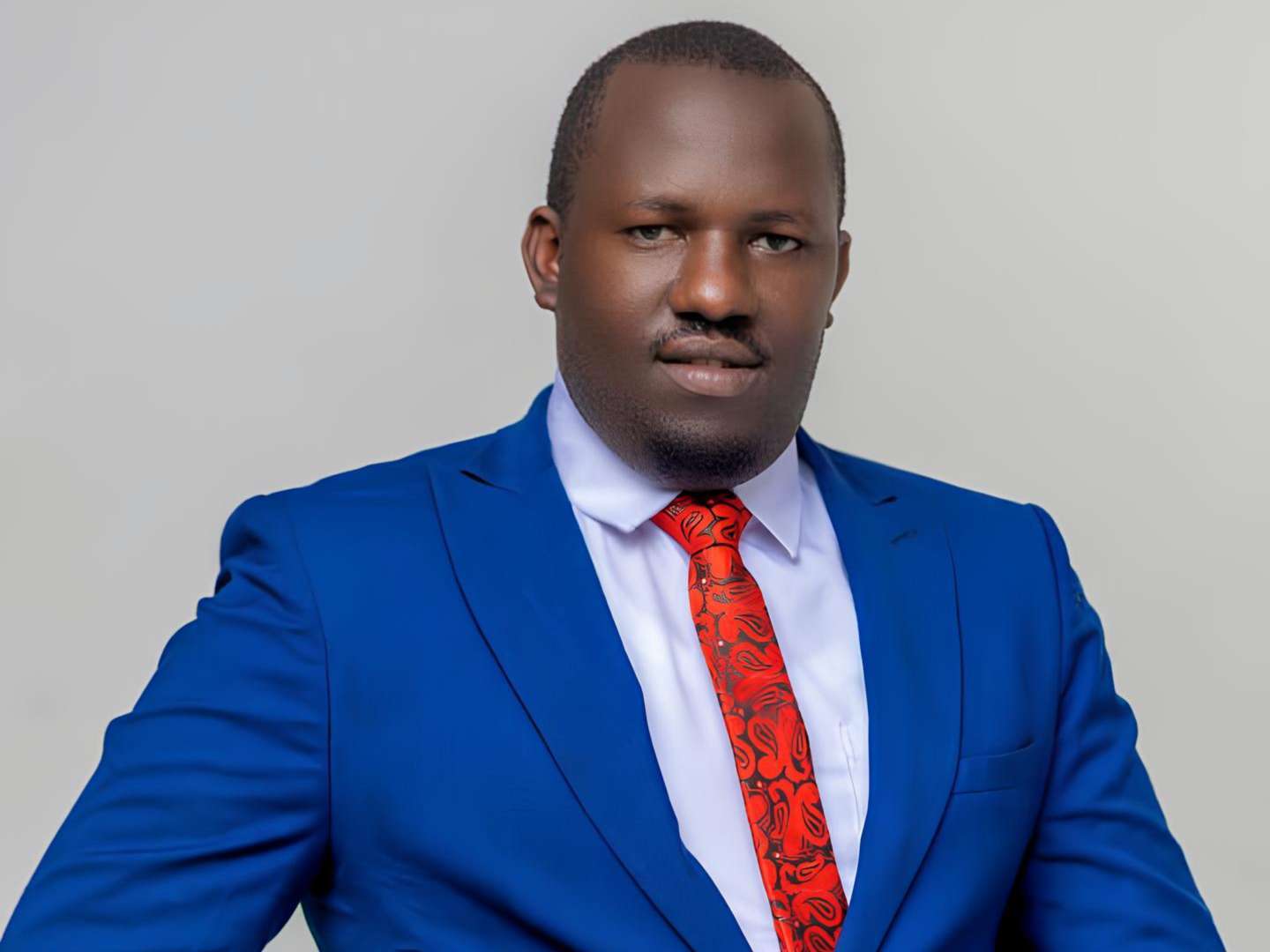
What major win or transformation are you most proud of?
I am most proud of leading the rollout of the Uganda Revenue Authority electronic invoicing system at BAT Uganda, ahead of the national deadline. We were able to integrate SAP and the electronic fiscal receipting and invoicing system, trained our internal teams, and ensured uninterrupted operations. As a result, we reduced invoicing turnaround time, improved visibility and data accuracy, strengthened controls and reduced exposure to potential invoicing errors.
If you could give your younger self advice before becoming a CFO, what would it be?
Build self-driven teams early. Technical capability opens doors, but scale comes from empowering people. One of my proudest moments was seeing a finance analyst I mentored lead a major trade-engagement project that later shaped the company’s route-to-market strategy. It reinforced the integrity, partnership, and the fact that people development compounds into long-term value.
Who has shaped your thinking as a finance leader?
My parents taught me stewardship and discipline. However, my professional journey has been influenced by some of the senior finance professionals I have worked with including Catherine Chepkong’a, current FD of BAT Kenya, Philemon Kipkemoi, former FD for BAT Eastern and Southern Africa, as well as Philip Ivia, board director of BAT Uganda. My approach to executive conduct, governance and accountability borrows a lot from these leaders.
Simon Sinek’s leadership insights, John Doerr’s Objective Key Result frameworks, and lessons from Who Moved My Cheese have sharpened how I drive strategy execution, purpose-led leadership, and adaptability in volatile environments.
What is one risk you took that seemed reckless but proved essential?
Leaving a secure job to complete my CPA felt risky, but it paid off significantly. It accelerated my career progression, opened doors into regional and multinational finance roles, and positioned myself for senior leadership earlier than I had expected.
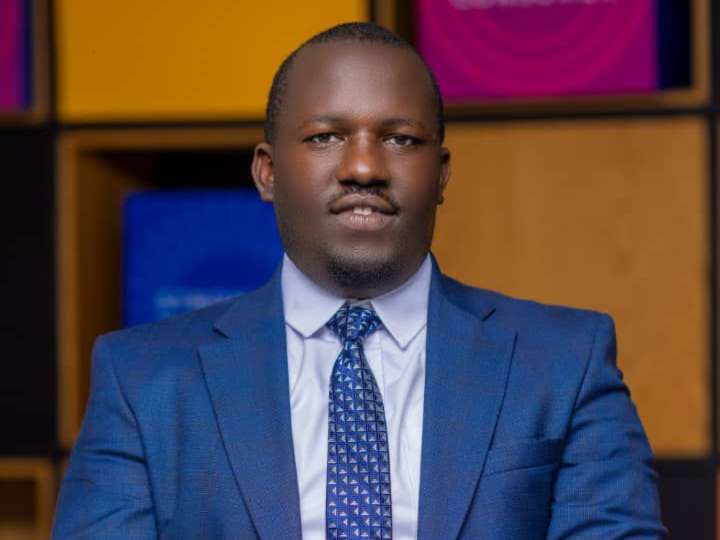
How are you developing the next generation of finance leaders?
Developing leaders requires exposure, accountability, and an environment that rewards integrity, initiative, and curiosity. Within my current role, I create opportunities for my team members to build capability, resilience, and visibility within the organisation. I also support and lead structured mentorship programmes for finance professionals under my supervision and beyond.
What seismic shift should East African CFOs prepare for in the next 18 months? CFOs must prepare for rising sustainability reporting requirements and more stringent reporting expectations. Equally transformative is the shift towards AI-driven finance. This includes the adoption of autonomous forecasting, real-time analytics, and machine-learning-driven risk models, all of which are designed to enhance decision-making and deliver measurable productivity improvements across core finance processes. CFOs who lead digital compliance and integrated reporting will have a competitive advantage.
What do you do outside work that makes you a better finance leader?
I am a farmer. I grow bananas, coffee, and cereals and plan to plant 5,000 trees over the next decade. Farming teaches long-term thinking, risk management, and capital allocation discipline. Seasons mirror market cycles, while irrigation investment mirrors ROI-focused decision-making.