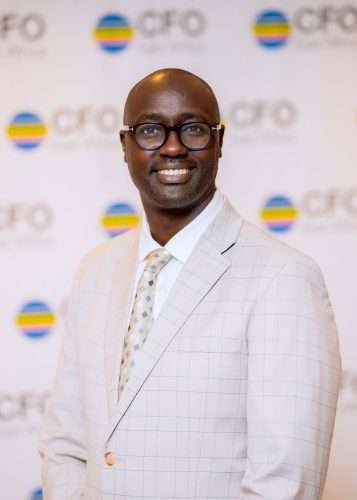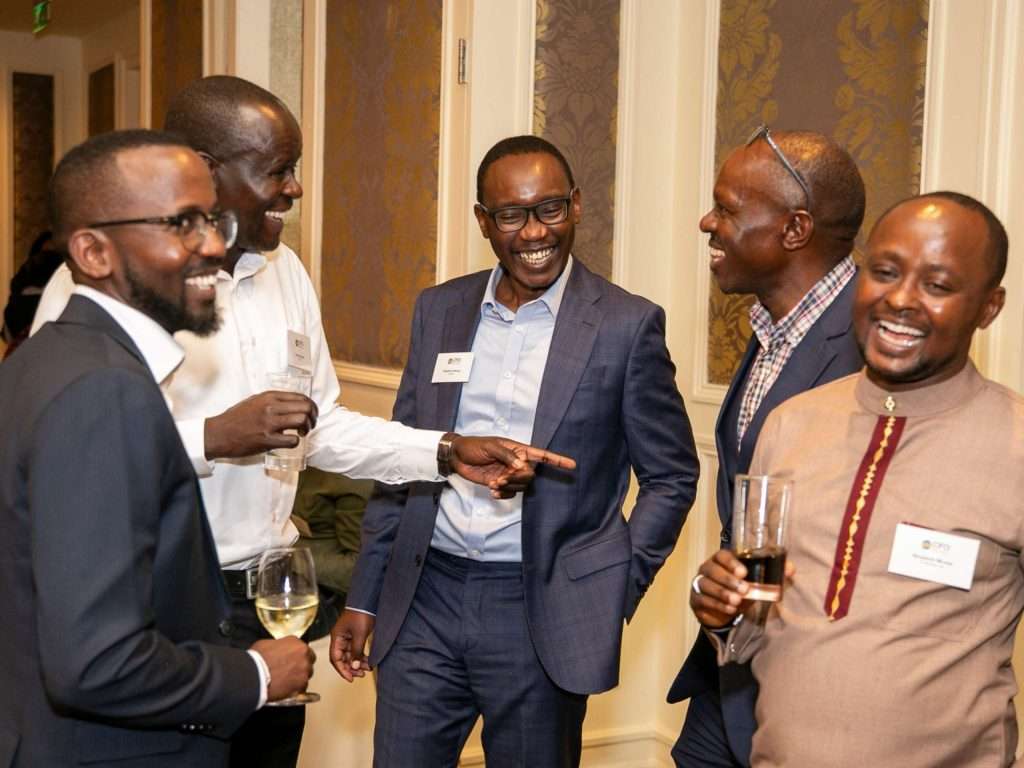
For the third year running, more than 150 finance leaders from across East Africa gathered in Nairobi for the CFO East Africa Sustainability Summit, coming to the consensus that ESG belongs in the CFO’s office.
CFO East Africa Community manager KC Rottok Chesaina opened the 2026 sustainability summit with an icebreaker conversation featuring Dennis Musau, CFVO of Stanbic Bank Kenya, and Sanjeev Panwar, CFO of WPP Scangroup. The pair weighed in on why sustainability reporting has landed on the CFO's desk rather than sitting with operations or IT.
“As a CFO I don’t need to ask for a seat at the sustainability table, because I already hold the keys, and the keys are capital allocation. Make your payment systems and your approval processes harder for people doing the wrong thing, and you are already contributing to governance,” Dennis said.
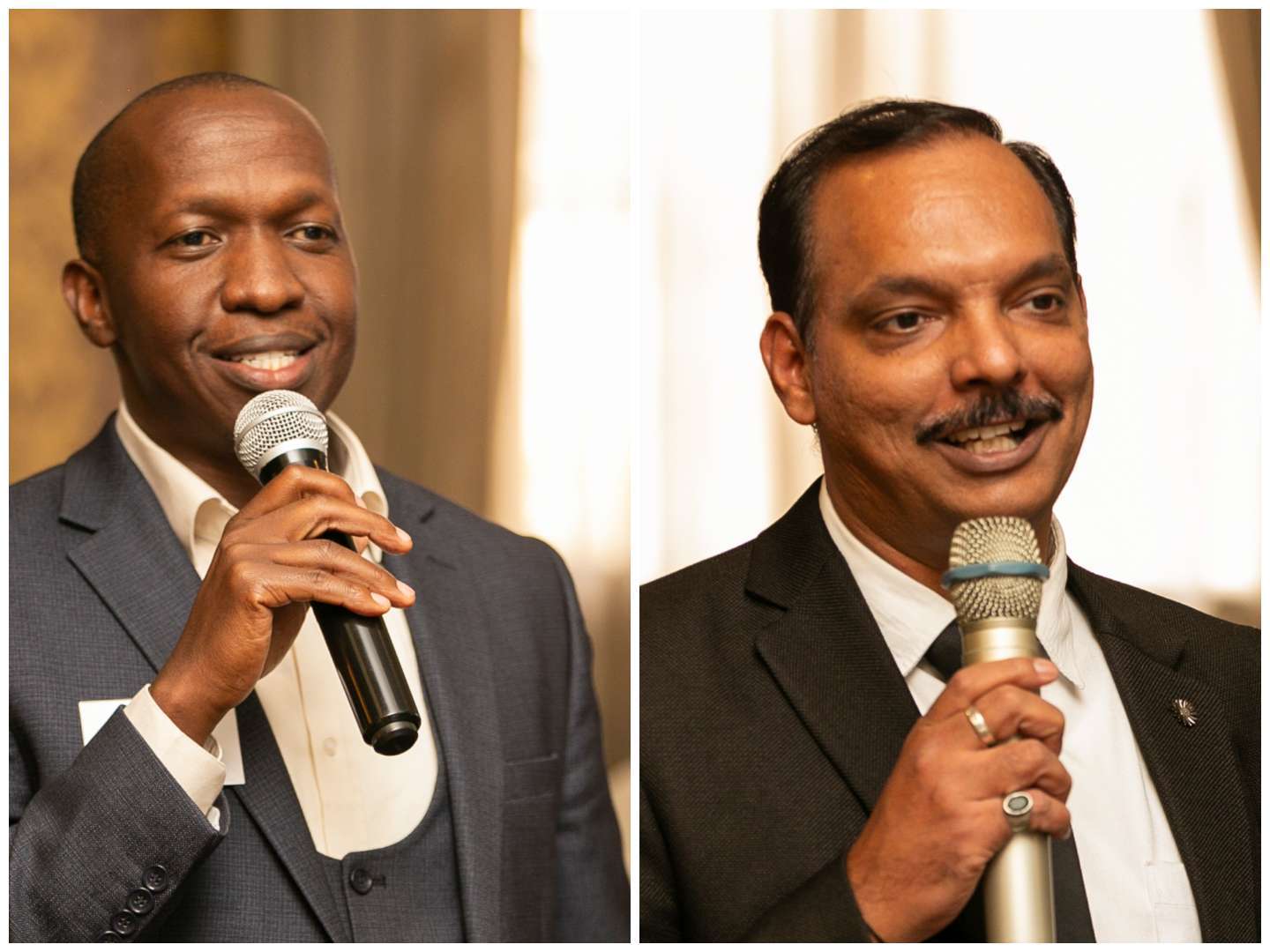
Sanjeev, who recently took on the sustainability mandate at WPP Scangroup, said the discipline only works when it stops being the job of a single department and becomes part of daily decisions.
“We challenge ourselves to make choices that are more responsible and sustainable. When we are reviewing travel, we ask whether it is required or can be done through virtual meetings to reduce emissions. Whenever there are two suppliers providing the same service, we always select the one that is more sustainable and better governed,” Sanjeev said.
Reframing the numbers
After the first panel, Clara Wanjiku Odero, co-founder and CEO of Credrails, delivered her partner address, where she urged CFOs to treat ESG reporting the way they would treat an audit.
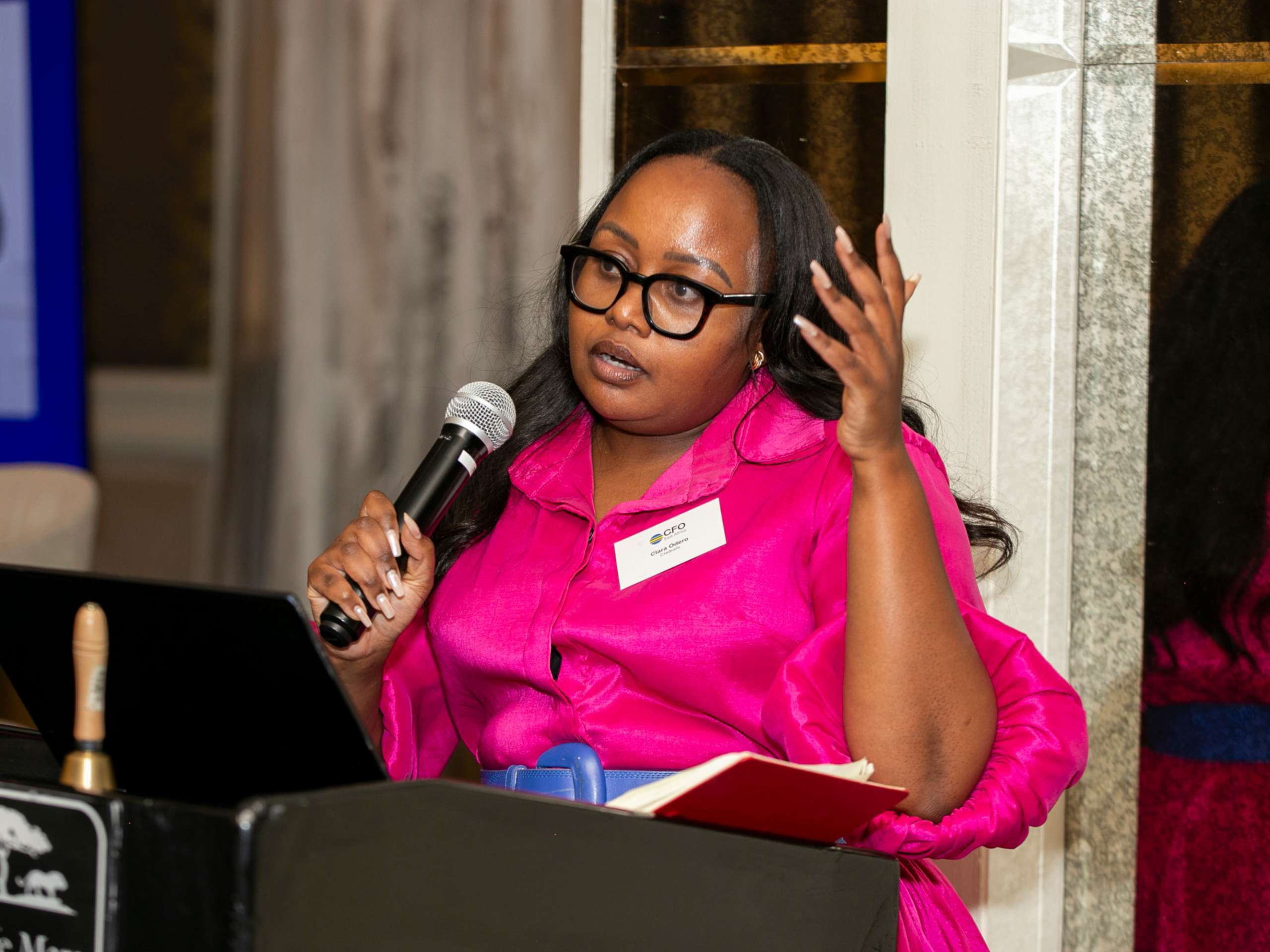
“If we know that sexual harassment is an issue and investors care about that, then are we able to show how we have reduced it. Have we put measures in place so that workers are no longer being harassed, that there is a complaint line, and that the complaint line does not penalise people who complain,” Clara said.
A panel moderated thereafter by Joel Roerig, managing director of Executive Communities, brought together Yusuf Omari, FD of Absa Bank Kenya, Daisy Wanjie, CFO of African Guarantee Fund, Ben Aliwa, chief business and finance officer of Path, and Bernard Amukah, partner of KPMG East Africa. They summed up the state of ESG in their organisations in a single word before unpacking it.
“Before, it used to be our pillar when you look at our strategy, but then we realised it is actually an enabler rather than a pillar. I remember there was a time we kept saying the brand is very strong, and then you come to realise the brand pulls the customers. It is the same thing with sustainability,” Yusuf said.
Ben described a similar shift at Path, where sustainability now reports quarterly to the board rather than sitting as an afterthought in an annual review.
“ESG used to be about accountability in the past, but what we did was set the tone from the top, engage the board and develop a framework. Healthcare accounts for about five percent of the global carbon emissions, and that gives you the magnitude of the responsibility we have in the non-governmental sector,” Ben said.
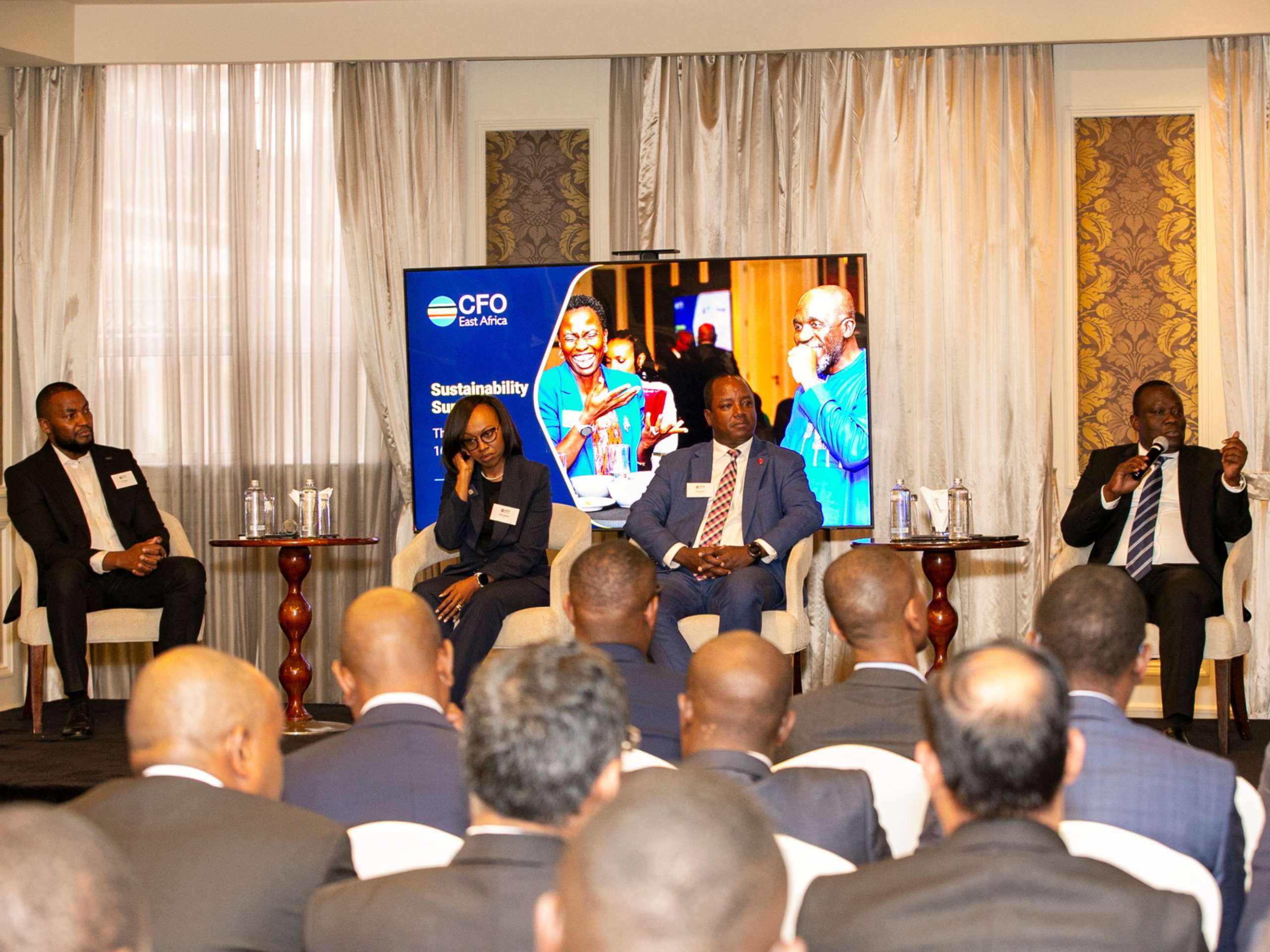
Drawing on his work across KPMG's client base, Bernard revealed that the biggest obstacle was not appetite but structure, with departments still working in silos.
“The most challenging area we have seen in sustainability reporting is organisations that see sustainability as something seated in a corner. But investors have started saying no ESG, no capital, and that is pushing finance people to come together,” he said.
Daisy spoke from African Guarantee Fund’s position as an institution built specifically to unlock financing for small businesses, describing her own role as a steward of capital who has to prove impact as rigorously as any bank proves profit.
“Impact and profitability are no longer treated as competing goals, they have to be delivered together. We are preparing for the 2027 reporting deadline the same way every institution here is, through a proper gap assessment rather than waiting until the standard forces our hand,” she said.
Financing the transition
Before guests engaged in an interactive group session, Caroline Wambugu, head of financial planning and analysis and investor relations of Safaricom, set out how the telco funds its sustainability programme through a mix of concessional loans and market instruments rather than treating it as a cost centre.
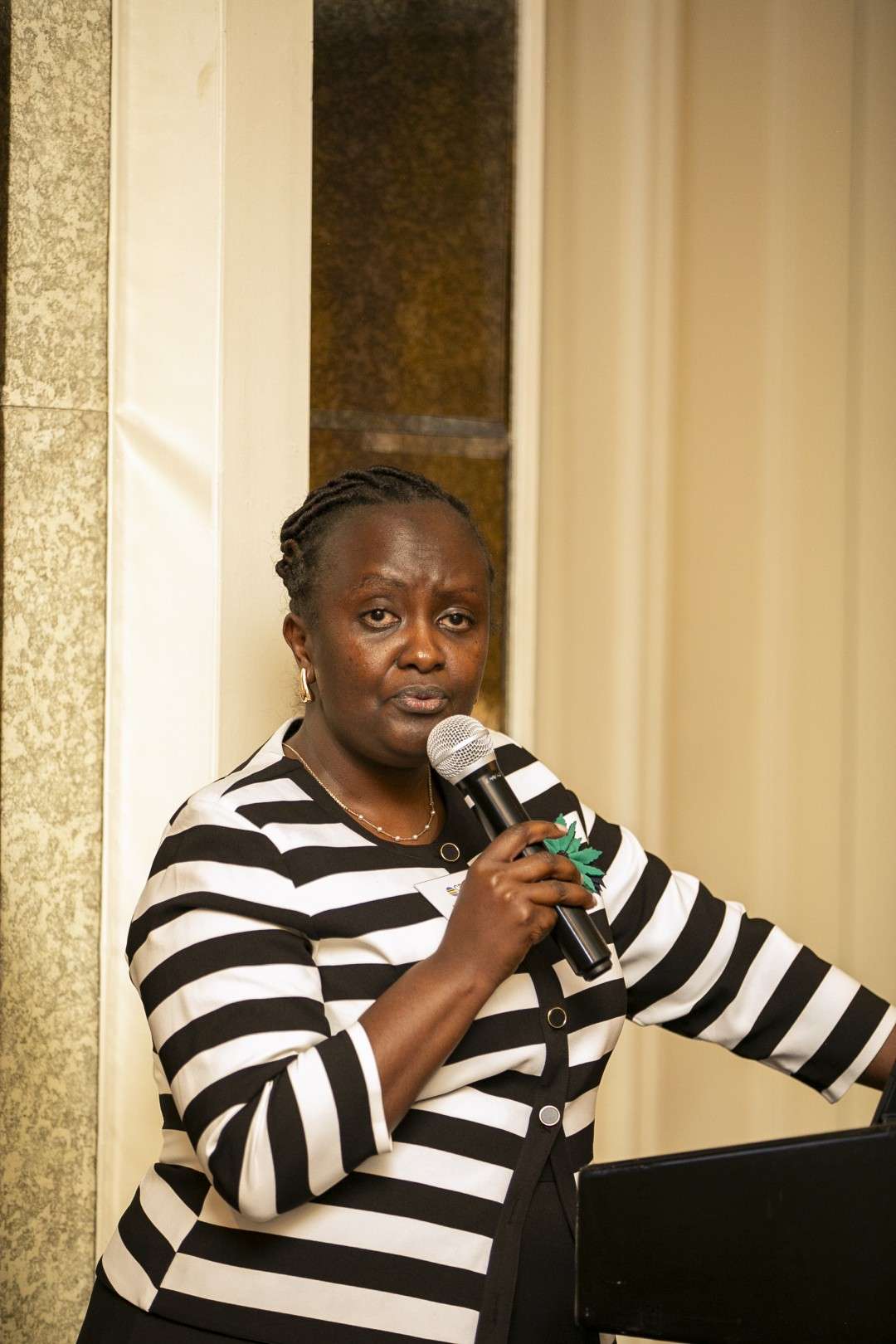
“In 2023 and 2024 we secured KSh 30 billion in what we call a sustainability linked loan, and this was secured cumulatively to advance Safaricom’s environmental, social and governance agenda. What makes this loan stand out is that it promotes stronger ESG commitment amongst borrowers. When you meet those targets, you are also able to get lower financing,” Caroline said.
KC returned as a moderator during the feedback session, where Joseph Sitati, CFO of Harleys, Stephen Owuyo, FD of Equity Group, and Francis Musyoka, CFO of GardaWorld, gave a snapshot of their organisational ESG initiatives before diving deeper into the question of the CFO’s role in sustainability.
Joseph described a CFO role that touches accountability and implementation in equal measure, with finance running the numbers on whether a change is genuinely cost efficient rather than simply good optics.
"My part in this whole thing is evaluating what it is going to cost as an investment and when the return will come. You need to be able to go and convince the board that we are not looking for a tomorrow return, we are looking for a sustainable return," Joseph said.
People, process and priorities
Stephen framed the finance function as the translator that turns sustainability ambition into numbers the market can hold the business to.
“ESG has moved from a narrative exercise into hard economics, because capital is more constrained and investors are scrutinising it harder,” he said.
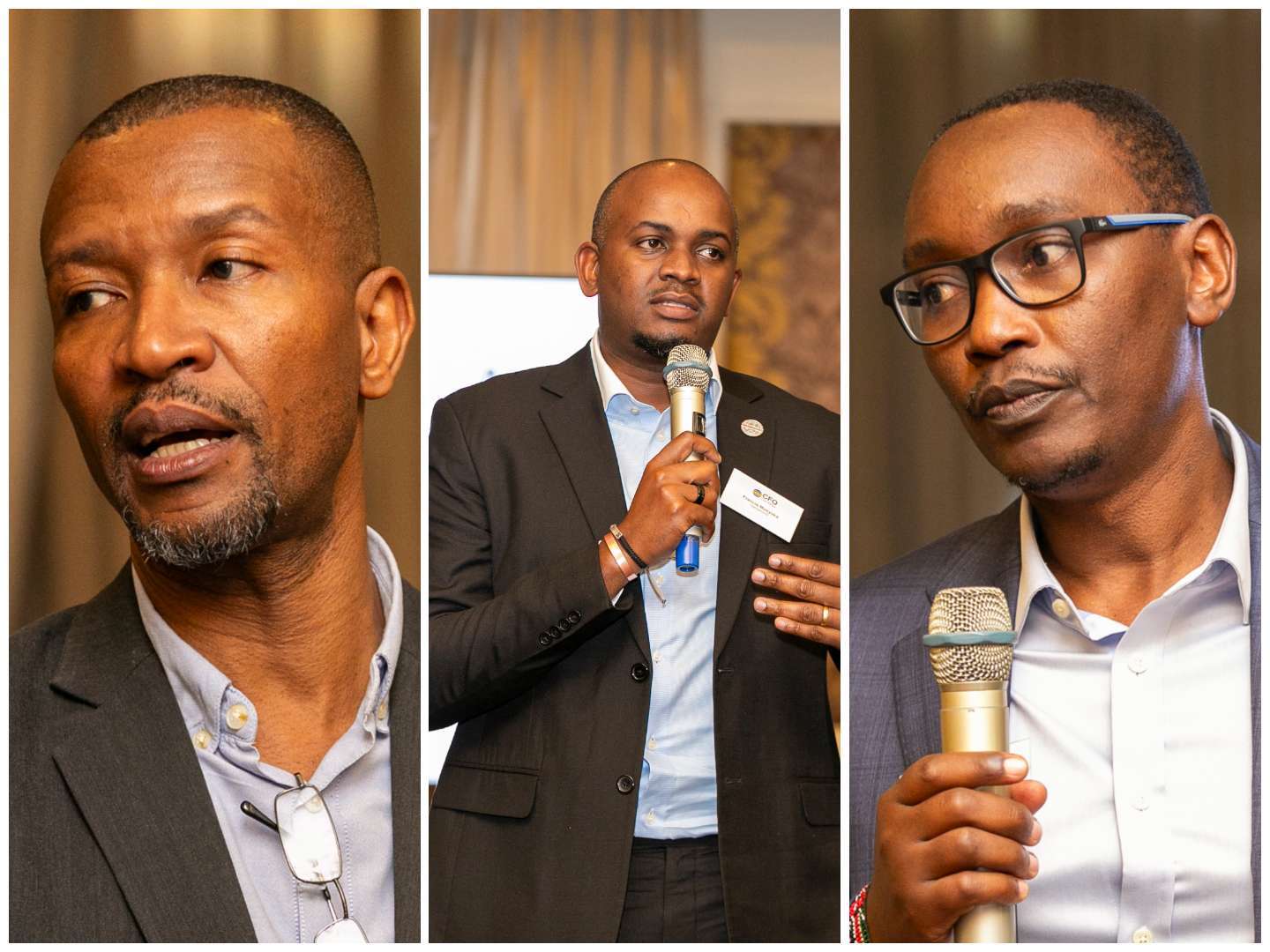
In his reflection, Francis admitted that near-term profit and long-term goodwill sometimes worked as opposing forces, saying decisions are made market by market rather than applied uniformly across the region.
“Clients are now asking about our ESG credentials directly inside major security bids, so this has shifted from a values conversation into one with real revenue attached,” he explained.
In his address, Edwin Mucai, chief risk officer of Stanbic Bank Kenya, argued that sustainability rests on two pillars – managing risk on one side and creating positive impact on the other.
“Every single application above $1 million is subjected to an E&S assessment, and our own book is just over $2.5 billion. We make sure that by lending money to this customer, they will not have an adverse impact on the environment,” Edwin said.
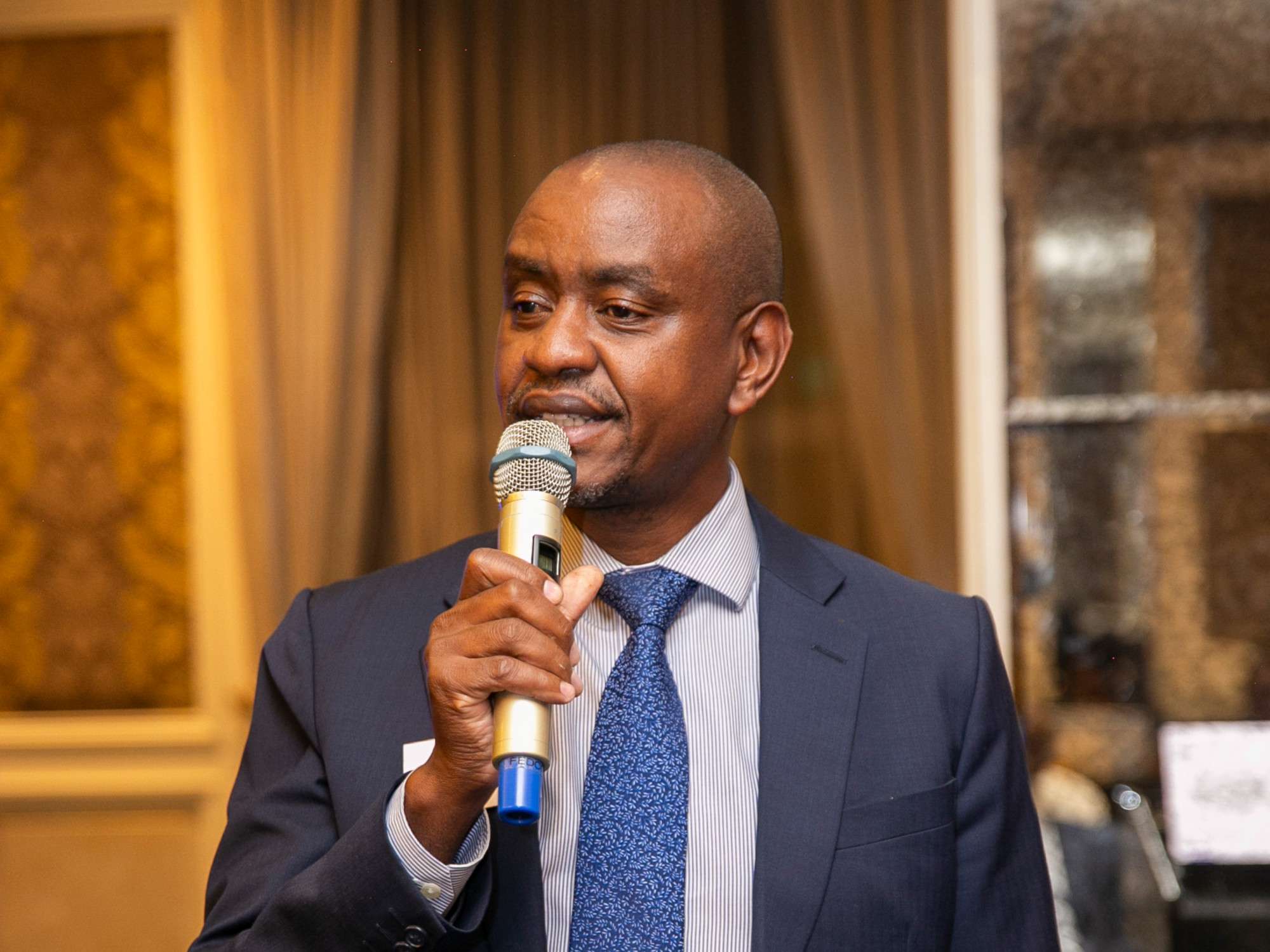
He also warned that attracting younger talent will depend on getting this right, drawing on conversations with his own children about where they want to work.
“Attracting talent in the future is a reality. You will eventually run out of road on if your people feel you have a negative impact on the environment and on society,” Edwin said.
A continental lens
The evening wound down with a catch up with Jackline Aluda, CFO of Cold Solutions and winner of the 2025 Finance and ESG Award, who reflected on winning over a board split between commercially minded members and those focused on impact.
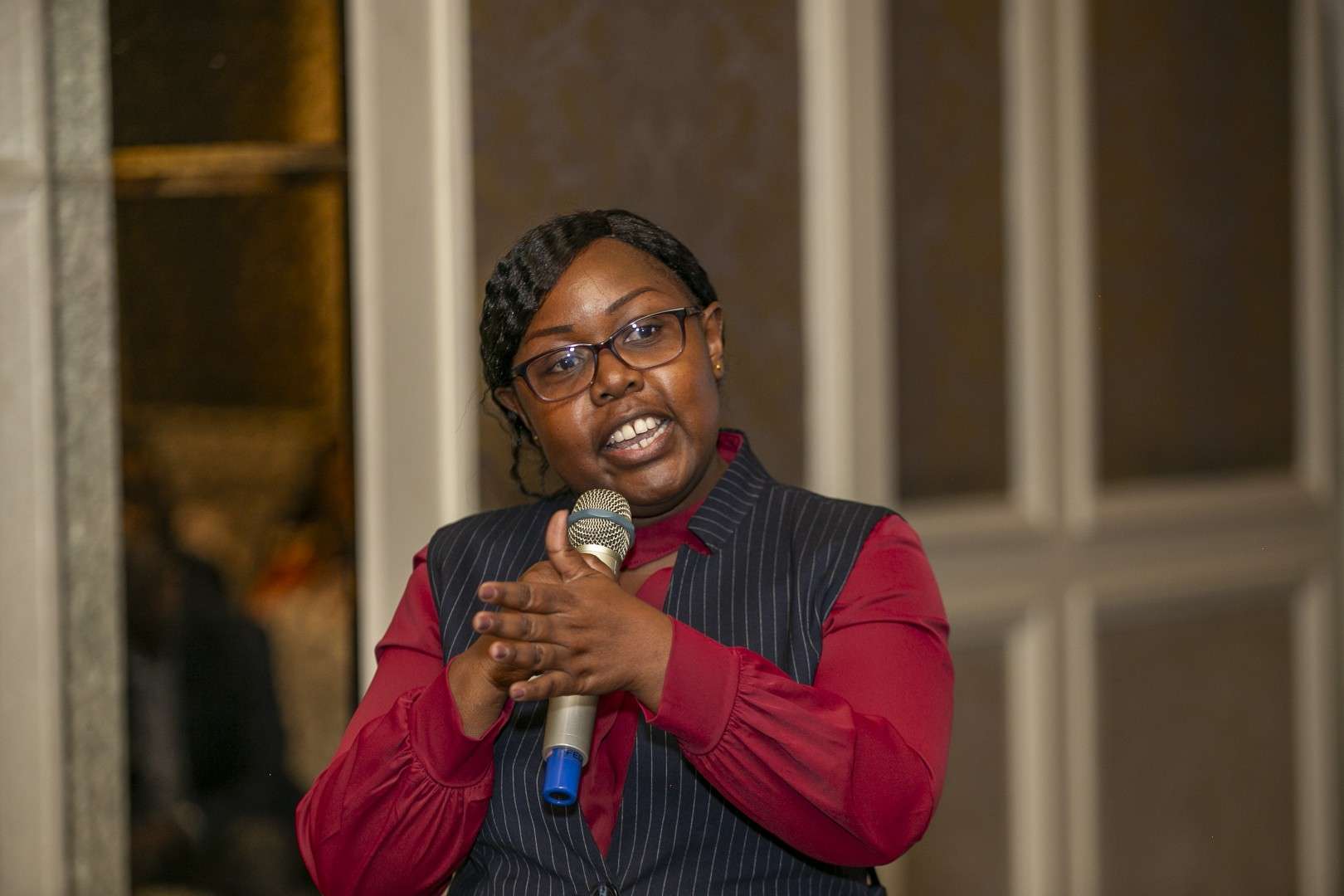
“I had to take a critical role in the installation of a 1.4 megawatt solar plant, and as a CFO you have to understand the engineering side of it, be able to forecast the return and convince stakeholders when those returns are going to come through. Use your numbers to tell a very convincing story to all these stakeholders, so that can buy into it,” she said.
The event was sponsored by principal partners Credrails, KPMG East Africa, Safaricom and Stanbic Bank Kenya and associate partners AAR Insurance, Absa, ALN, Boya, GardaWorld Security, Prophix, PwC and Verto.