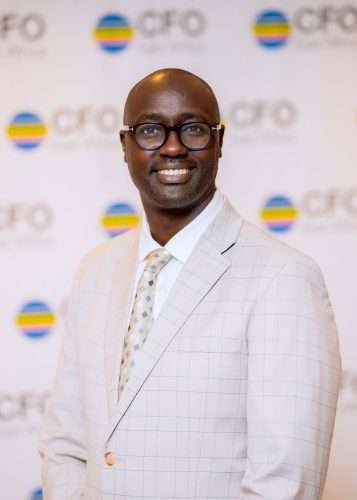
The CFO East Africa Sustainability Summit in Kampala dived into the growing role of CFOs in ESG and the need to tailor global frameworks to local realities.
At the the CFO East Africa Sustainability Summit at the Four Points by Sheraton Kampala, finance leaders it clear that the CFO who knows their carbon footprint knows their business.
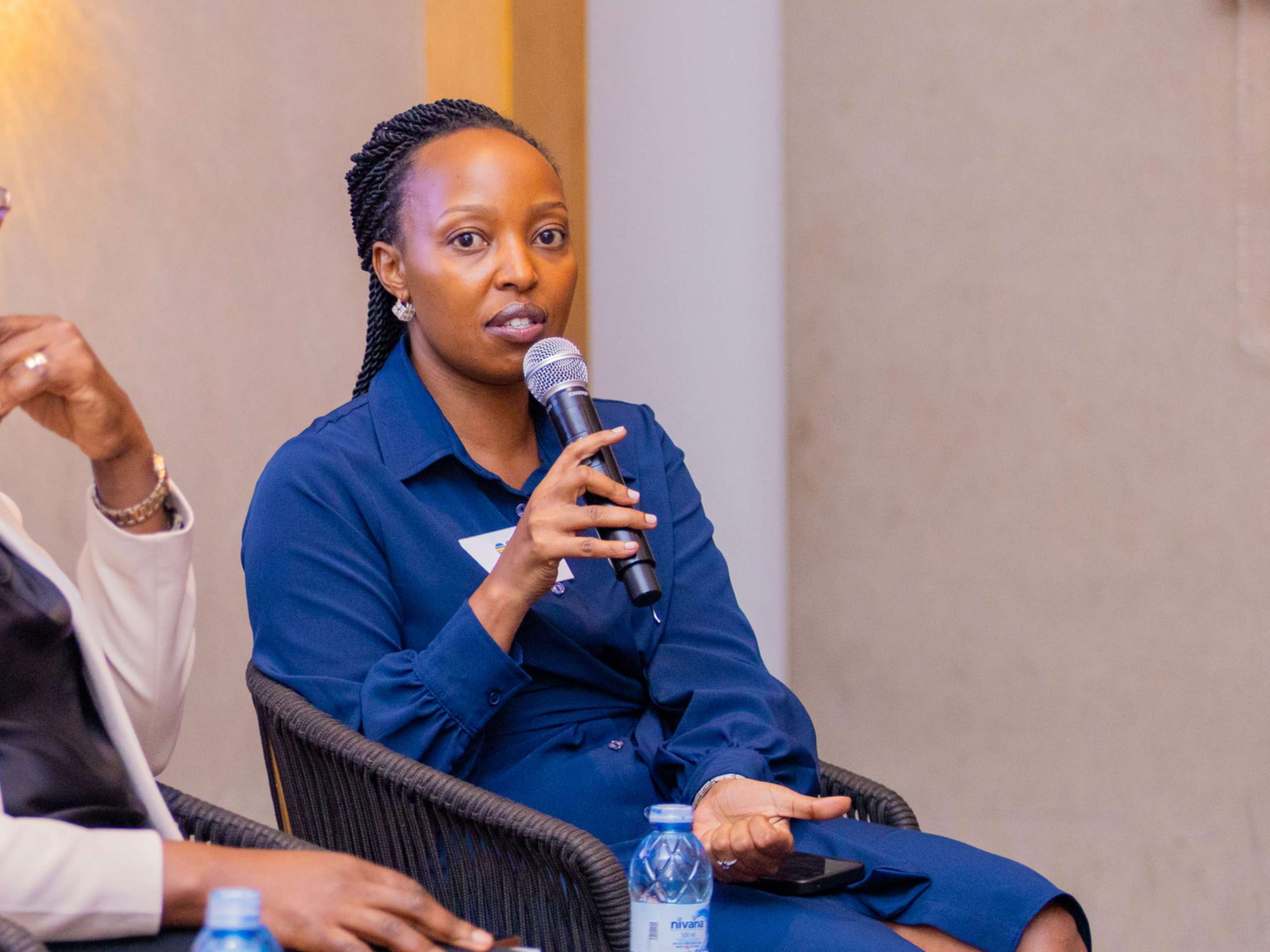
During the event, a panel featuring CFAO Uganda CFO Anita Akishure, Ishara Towers Rwanda CFO Lilian Budandi and Pearl Bank CFO Peter Ssenyange explored how organisations can make ESG part of strategy and everyday decision-making while ensuring the agenda reflects the realities of their markets.
As Peter revealed, the institution has incorporated sustainability into performance measurement following a shift in the way the organisation approached its strategy. The board took ownership of the agenda and introduced sustainability metrics and targets across the organisation.
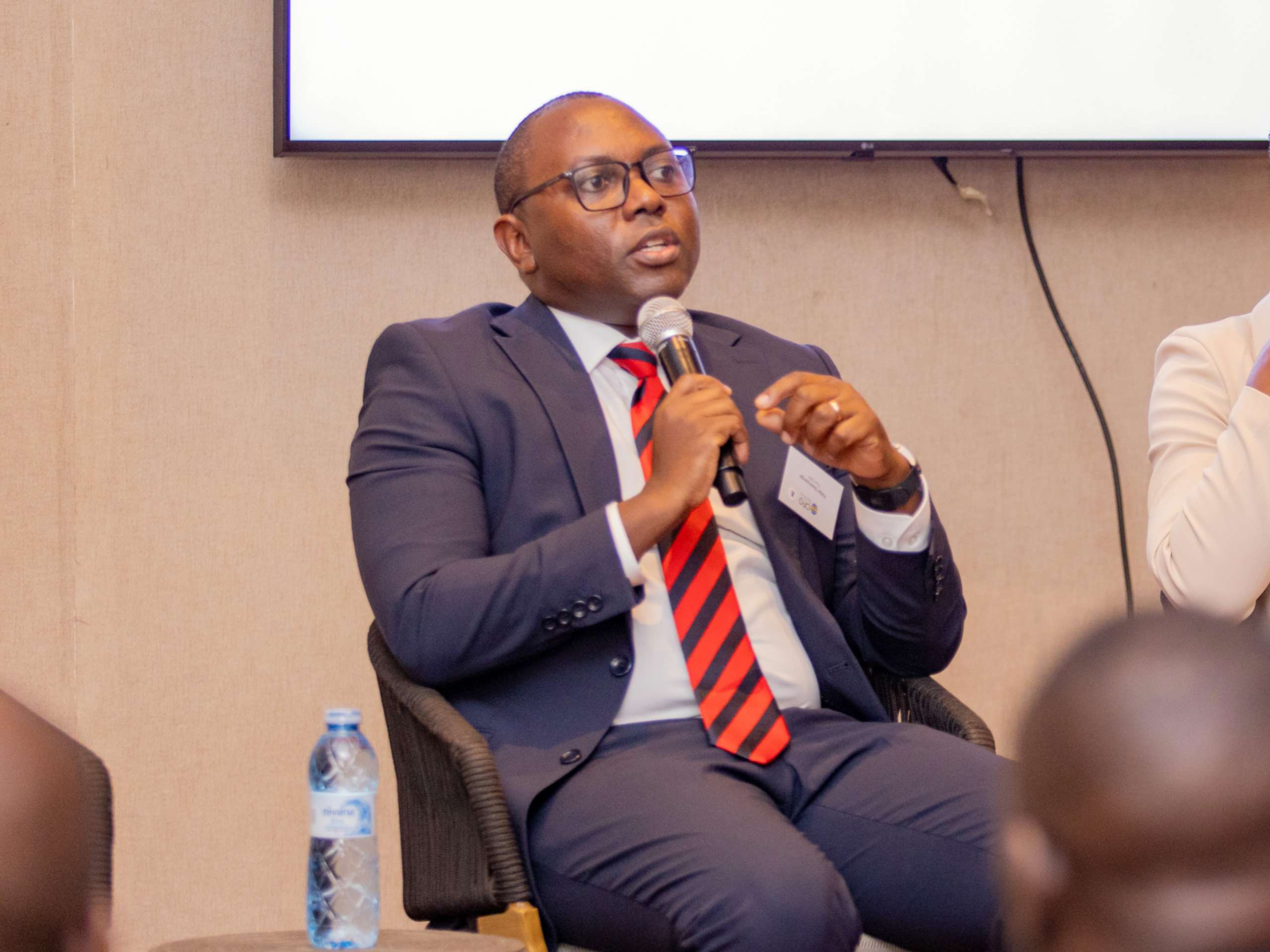
“I think the gist of sustainability is three things, largely your impact on society, your impact on the economy and your impact on the environment. So, we had clear metrics that were linked to the national development plan of Uganda and how a financial services institution plays there,” he said.
Lilian Budandi of Ishara Towers echoed this emphasis on ownership, saying ESG has become part of the company's daily work, with expectations extending to the partners it works with.
“We don't have an option whether we have to comply or be part of our daily work. Regulatory wise, the regulator, specifically in Kigali, is very heavy on reducing emissions. Our investors too are very keen on that,” she explained.
Core element of strategy
The panelists noted that the role of the CFO has expanded beyond traditional financial responsibilities. In Lilian’s experience, ESG has changed the way finance leaders engage with strategy and with colleagues outside the finance function.
“It has become that one core element of the strategy, and who leads and participates in the strategy is the CFO. So it's central, and the CFO is playing a role where you need to kind of educate and ensure that the other stakeholders, the other departments, understand and they can drive the implementation,” Lilian said.
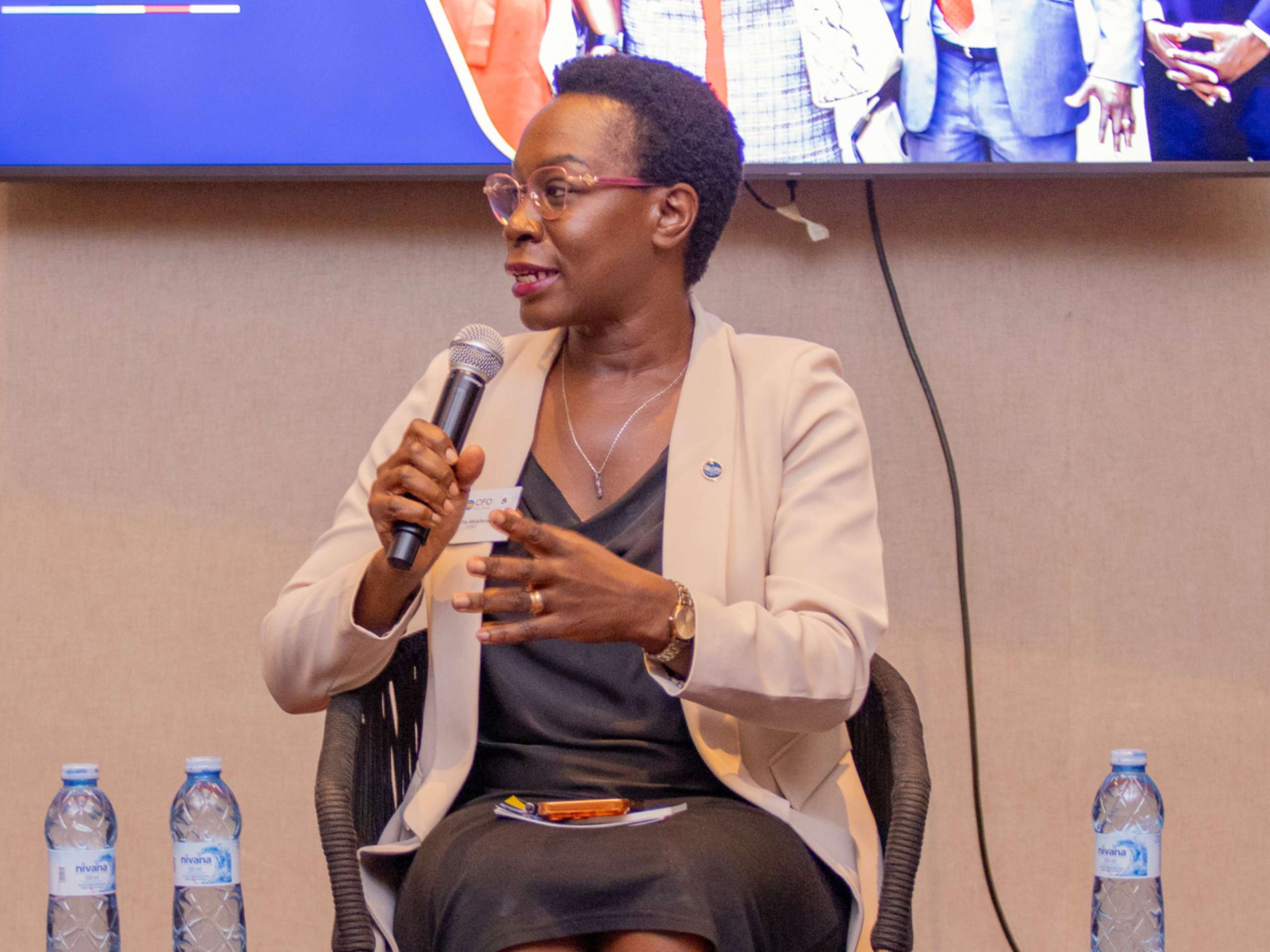
Anita Akishure, CFO of CFAO Uganda, said the CFO's role also extends into capital allocation and sustainability reporting. The same discipline finance teams apply to collecting financial information is being applied to the data needed to track ESG performance.
“As a CFO, I play a major role across the pillars that are required to drive the ESG agenda. CFOs have the discipline of collecting data. We are extending that discipline to collecting the information and data that's used for sustainability reporting,” she said.
The panellists also addressed the relationship between ESG and financial performance. ForAnita, the relationship between ESG and business operations is already established within CFAO Uganda. The company's experience reflects a model where sustainability sits within the wider strategy rather than operating as a parallel programme.
“We are part of a group that embraced ESG way back. It's embedded within our operations, and there's really no doubt that we cannot ignore the ESG agenda at all. It is part of our strategy. It's part of our operations,” she said.
Important considerations
Local relevance also emerged as another important consideration. While some organisations operate within international groups and work with global sustainability frameworks, the panellists said those frameworks still need to connect with the circumstances of individual markets and businesses.
Peter explained that Pearl Bank's approach was shaped by its stakeholders and the institution's impact on Uganda's economy and society. This meant developing metrics that connected its sustainability work with the country's national development priorities.
“We're not doing it to comply with the regulator. What we’re very scared of losing is a stakeholder. That's the major thing,” he said.
For CFAO Uganda, the challenge of applying a global sustainability strategy locally is also about identifying initiatives that are relevant to the market. Anita said the local team has to find ways of contributing to the wider group agenda while responding to local circumstances. The panel also explored how organisations are measuring progress.
“I would say we are well ahead. We are already measuring the granular details, the metrics as far as Scope One and Scope Two is concerned. So we have a formal reporting platform, and we collect this information,” she revealed.
In the driver’s seat
For Pearl Bank, the next milestone is assurance of its sustainability reporting. Peter said the bank has made progress but still needs to become ready for independent review.
“Our goal for us, the holy grail, will be when we produce a sustainability report that is assured,” he explained.
The panel ultimately returned to the question of who needs to drive ESG. While CFOs have a central role because of their involvement in strategy and capital allocation, Peter argued that finance leaders cannot move the agenda forward without broader organisational ownership.
“I think what I've learned in practice is that there is the narrative that the CFO must drive sustainability in the organisation, but in practice, if your board and your CEO or your equivalent of the group don't drive it, they don't own it, you will not move anywhere,” he said.