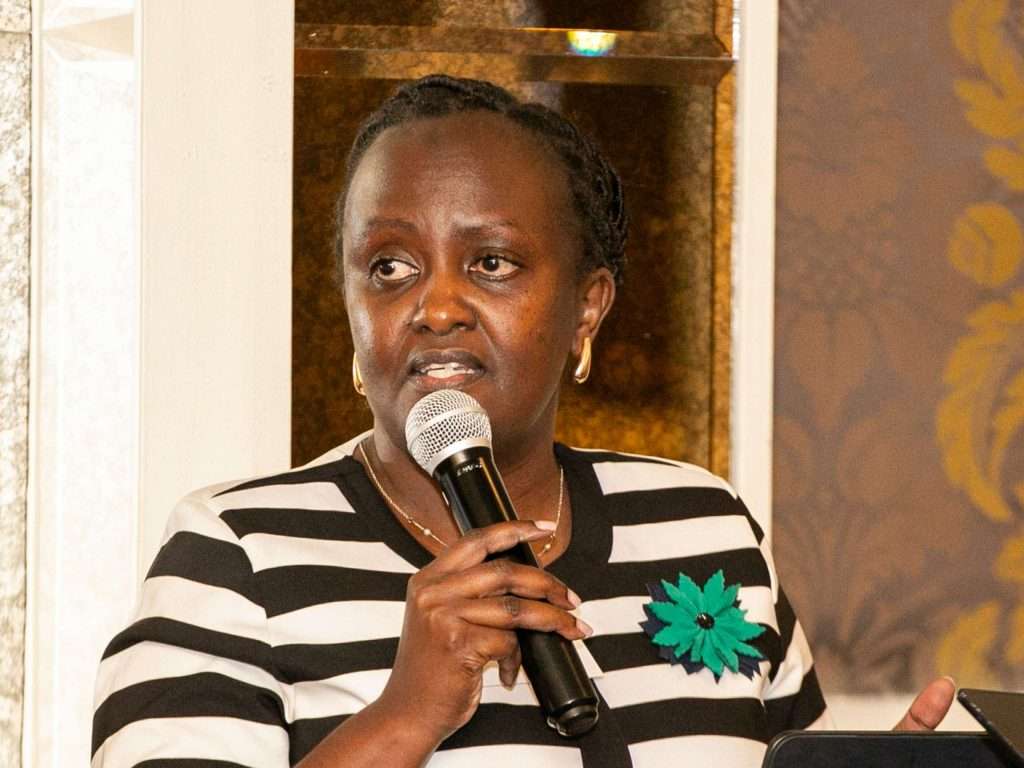
Speaking at the third annual CFO East Africa Sustainability Summit held at the Villa Rosa Kempinski on 16 July, Safaricom's head of FP&A and investor relations, Caroline Wambugu, made the case that sustainability financing is a strategic commitment with measurable targets and real financial instruments behind it.
At the third annual CFO East Africa Sustainability Summit, Caroline Wambugu, Safaricom's head of FP&A and investor relations, asked CFOs to reflect before she gave them anything to take away.
“Think about what sustainability financing means to you and what your end game is. How can you influence policies in your countries, and have you done enough? So, these reflections will be a strong foundation for our insights this evening,” she said.
Caroline acknowledged the professional instincts of her audience of finance leaders who, by training and role, think in returns and numbers, asking them to expand their thinking.
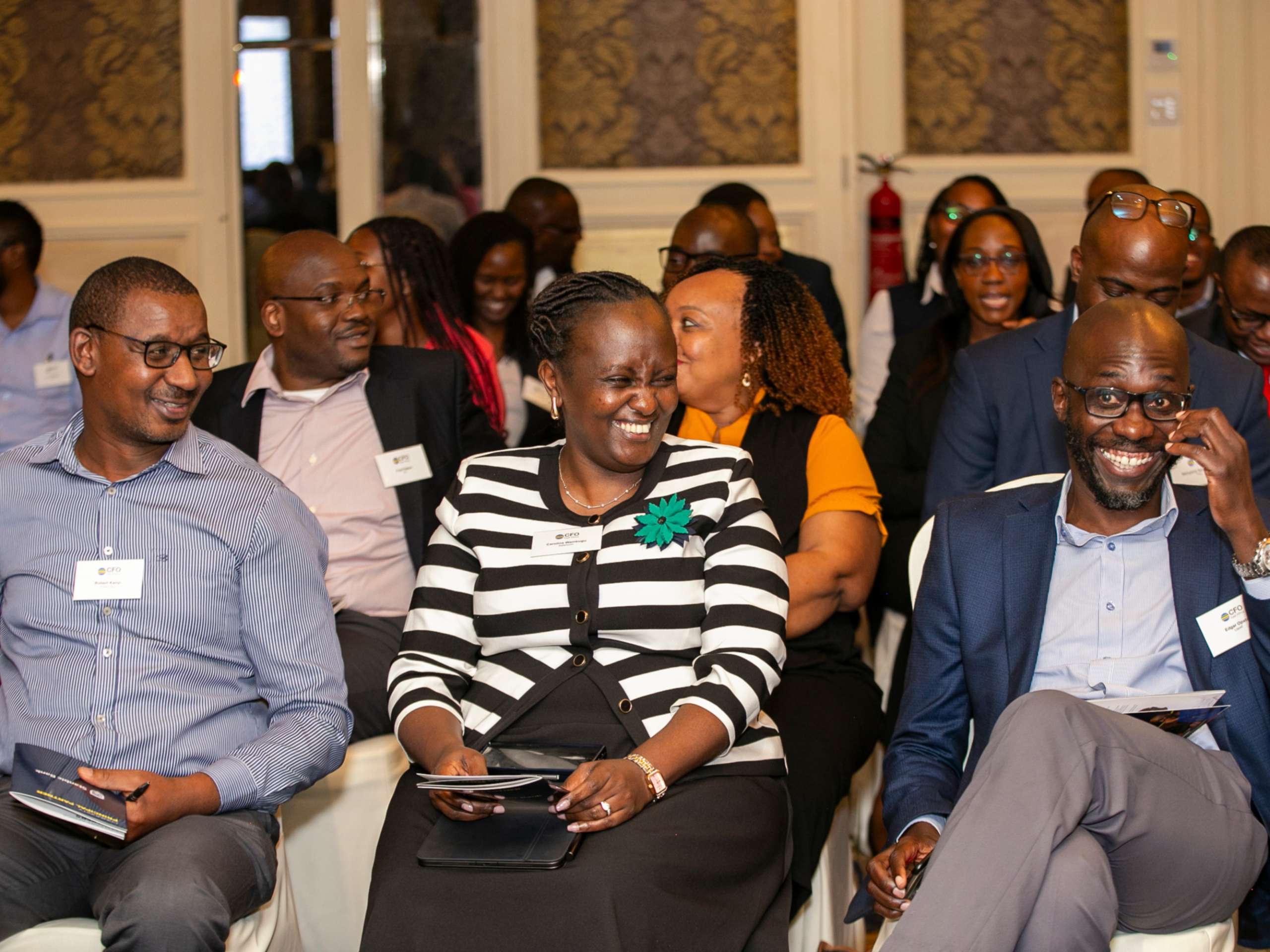
“Returns matter, but so does sustainability, and the two are not in competition. As Safaricom, we are not involved in sustainability for nothing. It is imperative to have parameters that guide our investment in the environment, in the community, and in corporate governance,” she added.
She positioned Africa's climate vulnerability as the starting point for any honest sustainability strategy in the region. Africa, she noted, is the continent most affected by climate change, and the communities that bear the brunt of unpredictable weather patterns are the same communities that sustainability investments are meant to serve.
“Kenya scaling solar, Ethiopia investing in hydroelectric power, Tanzania and Uganda financing off-grid electrification. African countries have secured 900 million dollars in clean energy cooking technologies, while sub-Saharan nations are turning to nature-based solutions including sustainable agriculture, water security and drought-resistant crops. Any strategies we put forward have to address our interests in the community, as they are the ones that get impacted the most by unpredictable weather patterns," Caroline said.
Staying accountable
She then moved to what Safaricom is doing specifically, saying its two foundations have invested in education and health infrastructure. A third foundation registered in July last year has a mandate spanning education, health, digital inclusion, economic empowerment and emergency response.
“The thing about sustainability is that you have to hold yourself accountable to some targets, and this is what we communicate to our shareholders and investors, and especially for the impact funds. We've got many institutional shareholders that are impact funds based even outside this country, and they do hold us to account.”
On the question of funding, Caroline revealed that the company had secured a cumulative 30 billion shillings through sustainability-linked loans, provided by a consortium of banks, to advance its environmental, social and governance agenda. The loans are tied to measurable targets covering renewable energy, greenhouse gas emissions reduction and gender diversity. Meeting those targets, she explained, can lower the cost of borrowing.
“In December, the company also issued a 40 billion shilling domestic medium-term note programme, a green bond to fund renewable energy, conservation, waste management and water management projects. The sustainability-linked loan enables us to commit to measurable, sustainable targets. What makes this loan stand out is that it promotes stronger ESG commitment amongst borrowers, and it sets sustainable financial objectives and has potentially lower borrowing costs, because when you meet those targets, you are also able to get lower financing,” she said.
Caroline also acknowledged what remains unfinished, challenged the room to remain dedicated to the sustainability cause.
“Resources are not infinite. We still have to get buy-in from the communities and the partners that we work with. There still needs to be a broad sensitisation on the meaning of sustainability and policy integration by the public sector,” she said.