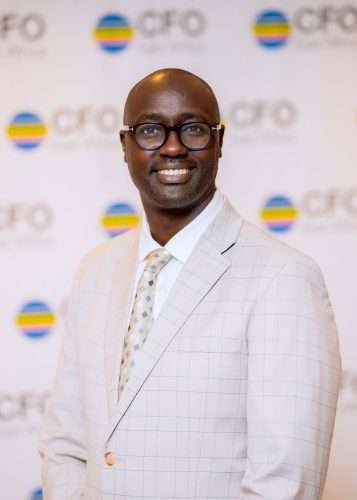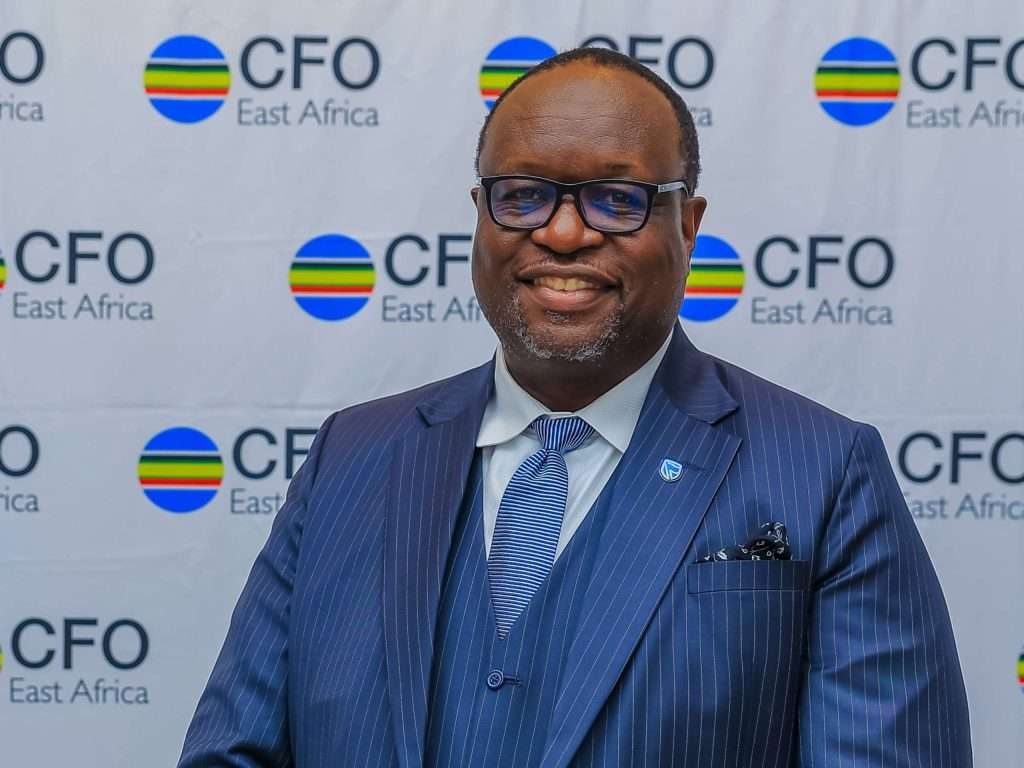
At the CFO East Africa Sustainability Summit in Kampala, Stanbic Bank Uganda CEO Mumba Kalifungwa said sustainability needs to be understood across the enterprise while finance leaders connect reporting requirements with long-term value.
Sustainability risks becoming a language understood by finance teams but lost on everyone else, according to Stanbic Bank Uganda CEO Mumba Kalifungwa. Speaking at the CFO East Africa Sustainability Summit in Kampala, he said many organisations make sustainability too complicated. He argued that businesses need to explain it in simple terms if they want employees and stakeholders to get behind it.
“We quickly learned that sustainability can easily become bogged down in jargon, sometimes losing the attention of audiences whose perception we seek to influence. To successfully drive the sustainability agenda across the enterprise, it must be understood and championed by everyone, not confined to CFOs and executive officers,” Mumba said.

Stanbic started focusing on sustainability nearly six years ago. According to Mumba, the bank was the first institution in its sector to create a dedicated sustainability function and appoint a head of sustainability.
As the bank built that function, it realised sustainability had to work on two levels. One side deals with standards reporting and compliance. The other focuses on helping people understand why the work matters.
“We noted that simplicity is paramount in rallying everybody behind a topic that can easily sound like a PhD thesis to most people. In building our sustainability function and ensuring that everyone was carried along, we acknowledged that sustainability has two faces, the technical side and the human-centred side, both of which are essential,” he said.
Illuminating tomorrow
Mumba stated the technical side is becoming increasingly important for finance leaders. Sustainability reporting is now closely linked to financial reporting and can influence how companies assess risks and opportunities.
“Under modern frameworks like IFRS accounting and IFRS sustainability standards, financial and ESG reporting are now integrated. Financial statements explained yesterday. Sustainability disclosures illuminate tomorrow,” he explained.
That shift is also changing the role of the CFO. Finance leaders are now expected to look beyond financial performance and help organisations understand the factors that will shape long-term value.
“Sustainability literacy is therefore no longer optional, and the CFO role is evolving into that of the chief value management officer, bridging financial and non-financial domains and stewarding long-term value,” Mumba went on.
At the same time, he argued reporting and compliance alone will not persuade people to support sustainability initiatives. Businesses also need a clear story that people can connect with.
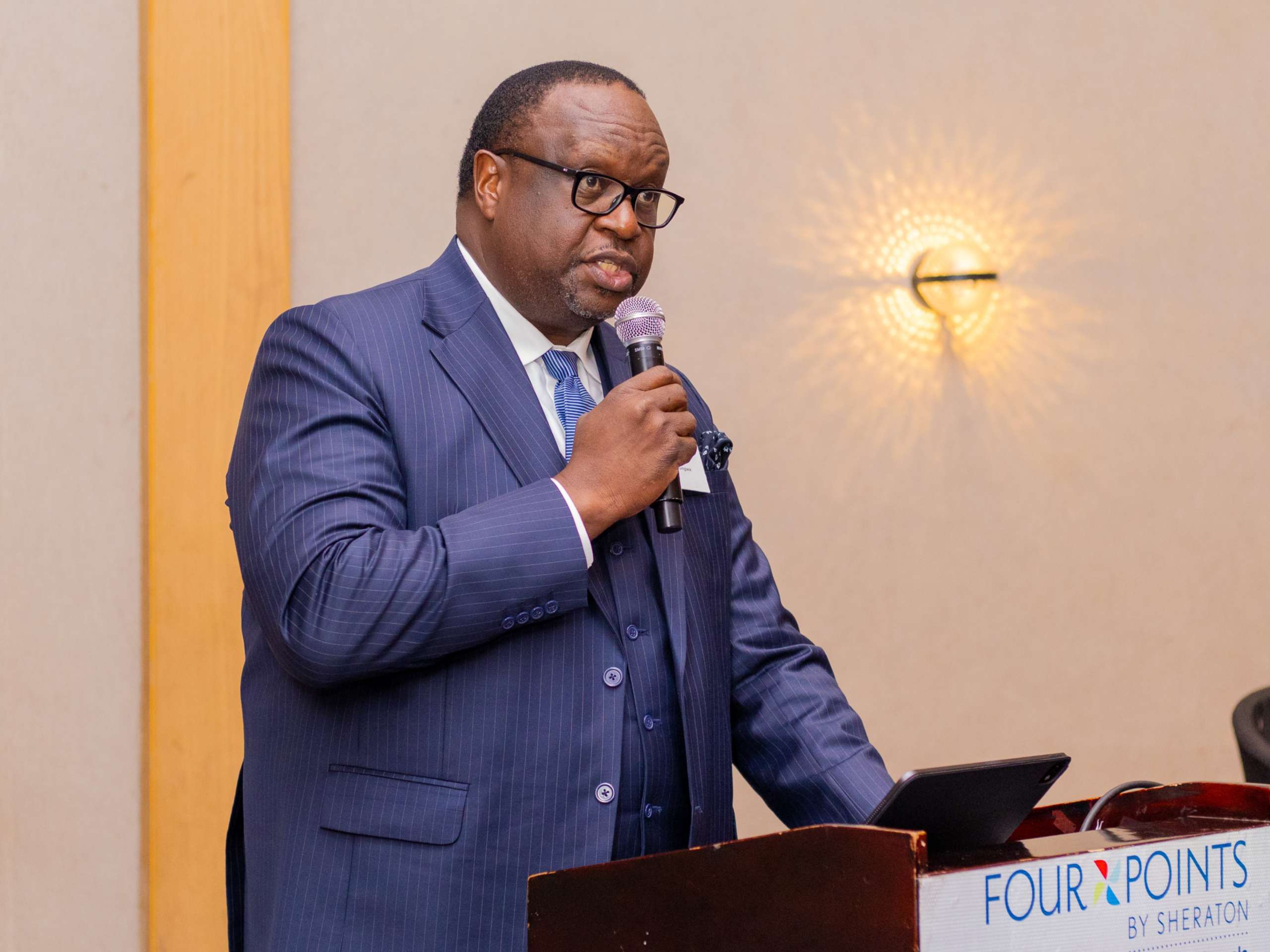
“Communicating sustainability is now a new era of specialisation in corporate storytelling. At Stanbic and across the Standard Bank Group, we acknowledge this reality and simplify our sustainability vision into one headline, positive impact,” he said.
Purpose and profitability
The bank's positive impact agenda focuses on financial inclusion, enterprise development, infrastructure investment, climate resilience and corporate social investment.
“Another important aspect about our positive impact agenda is that it is not aimless. It is sharply focused on women, youth, and farmers, three constituencies that are vital to Uganda's sustainable social economic transformation,” he said.
To make the commitment more tangible, Stanbic set a target. Last year, the bank pledged to mobilise up to one trillion shillings by 2028 to help create sustainable livelihoods for those groups.
“To make our sustainability narrative even more head-turning, we put a number to it last year, when we pledged to mobilise up to 1 trillion by 2028 to create sustainable livelihoods for these groups or constituencies of women, youth, and farmers,” Mumba revealed.
He shared several examples of how the bank is putting that strategy into practice, including by extending credit worth 257.7 billion Ugandan shillings to more than 21,000 women-owned businesses. The bank has also provided 369 billion Ugandan shillings through its circle lending and capacity-building programme. It has invested 635 billion shillings in SMEs and close to 650 billion in energy and infrastructure projects, including 70 billion in renewable energy.
“Commitments matter, but execution builds trust, and we are proud to share that our sustainability journey has yielded early success stories across our different initiatives and partnerships,” he said.
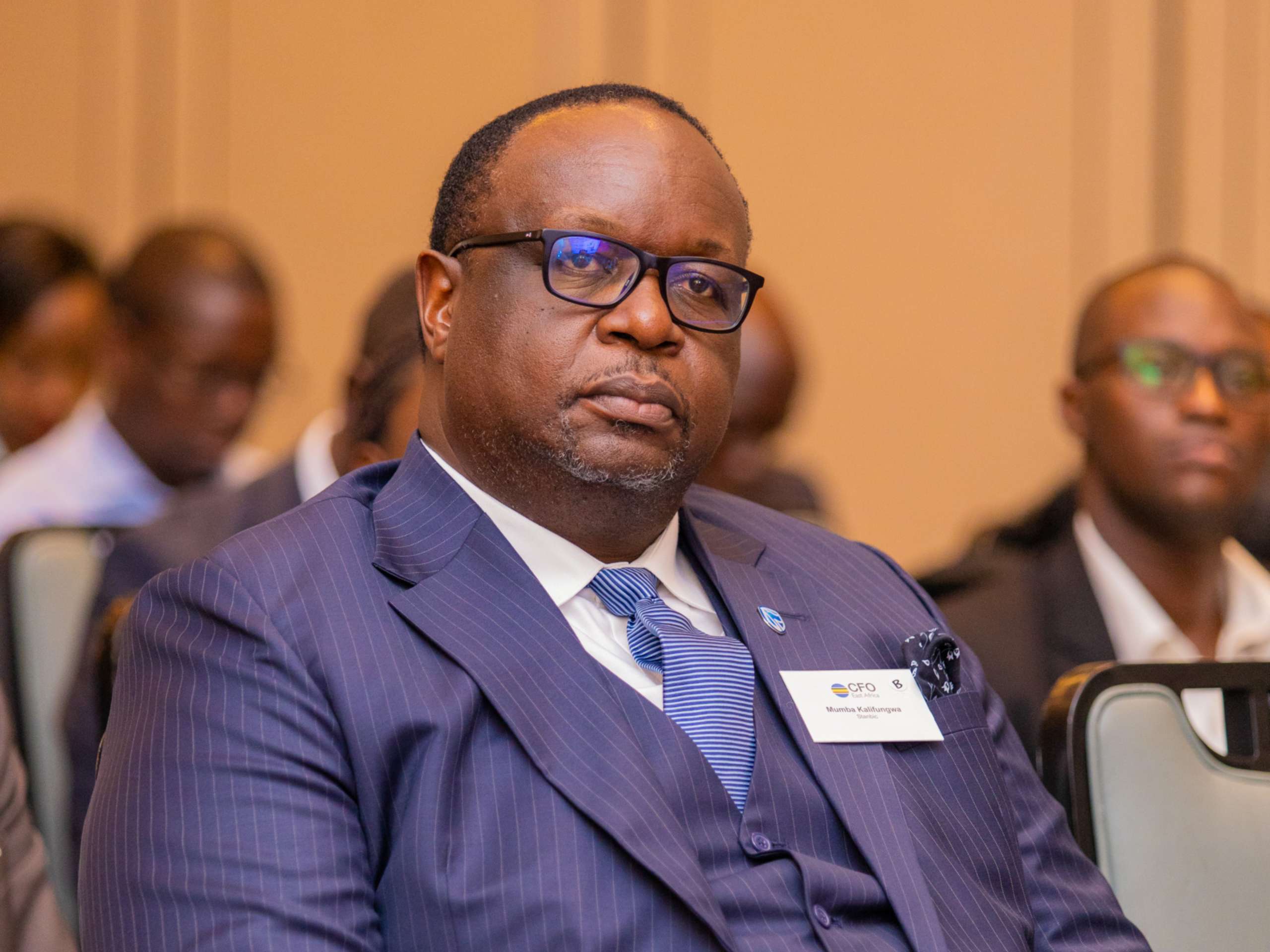
Mumba advised that businesses should stop viewing sustainability as a separate obligation. In his view, companies are increasingly using it to drive growth and resilience.
“Global evidence is clear. The world's leading companies are treating sustainability not as a cost center but as the engine of innovation. Back here at home on the continent, multinational companies, large local corporations, and all other industries are looking at it as the engine of innovation, efficiency, resilience, and profitability,” he said.
As he noted, Stanbic's own experience points in the same direction. He challenged finance leaders to think about how prepared their organisations are for the future.
“Our own experience mirrors this reality. Purpose and profitability are not adversaries. They are powerful allies. The evidence is absolute. Sustainable businesses are the best positioned to lead, to grow, and win in the future,” he said.