At the CFO East Africa Leadership Summit in Dar es Salaam, finance leaders opened up about the moments that tested them and what they learned outside of the classroom.
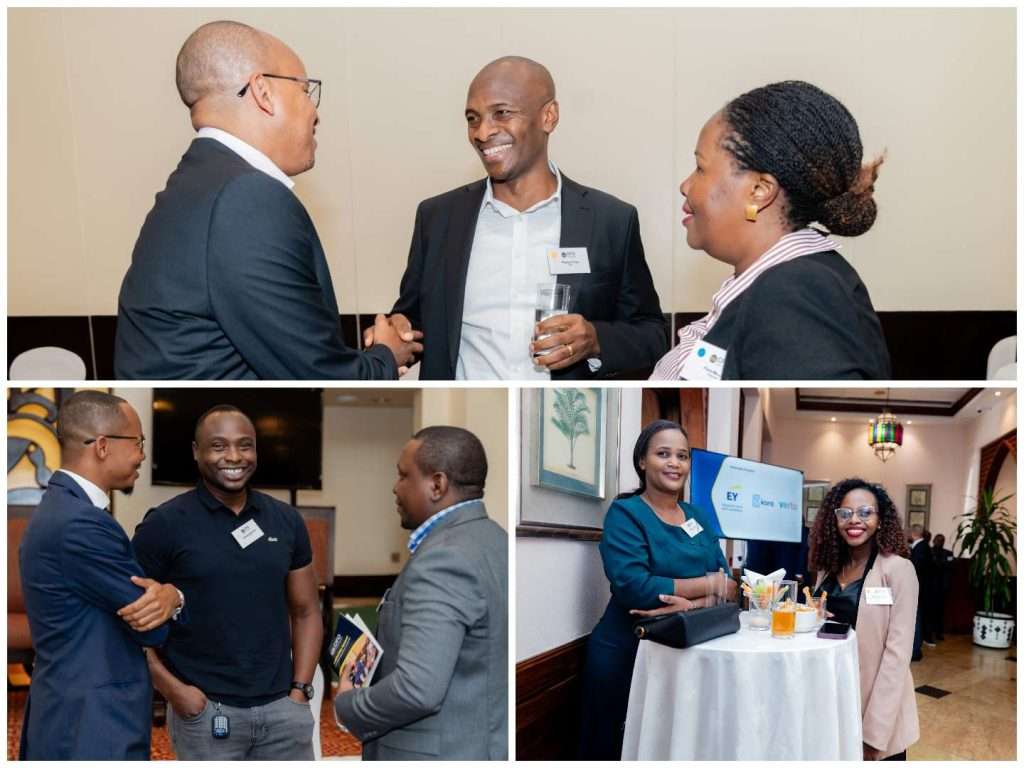
The CFO East Africa Leadership Summit returned to Dar es Salaam on 12 June 2026, this time with a focus on the lived experiences behind the titles. Held at the Serena Hotel, the evening saw finance leaders exchange insights about leadership and the career-defining moments that made them the leaders they are today.
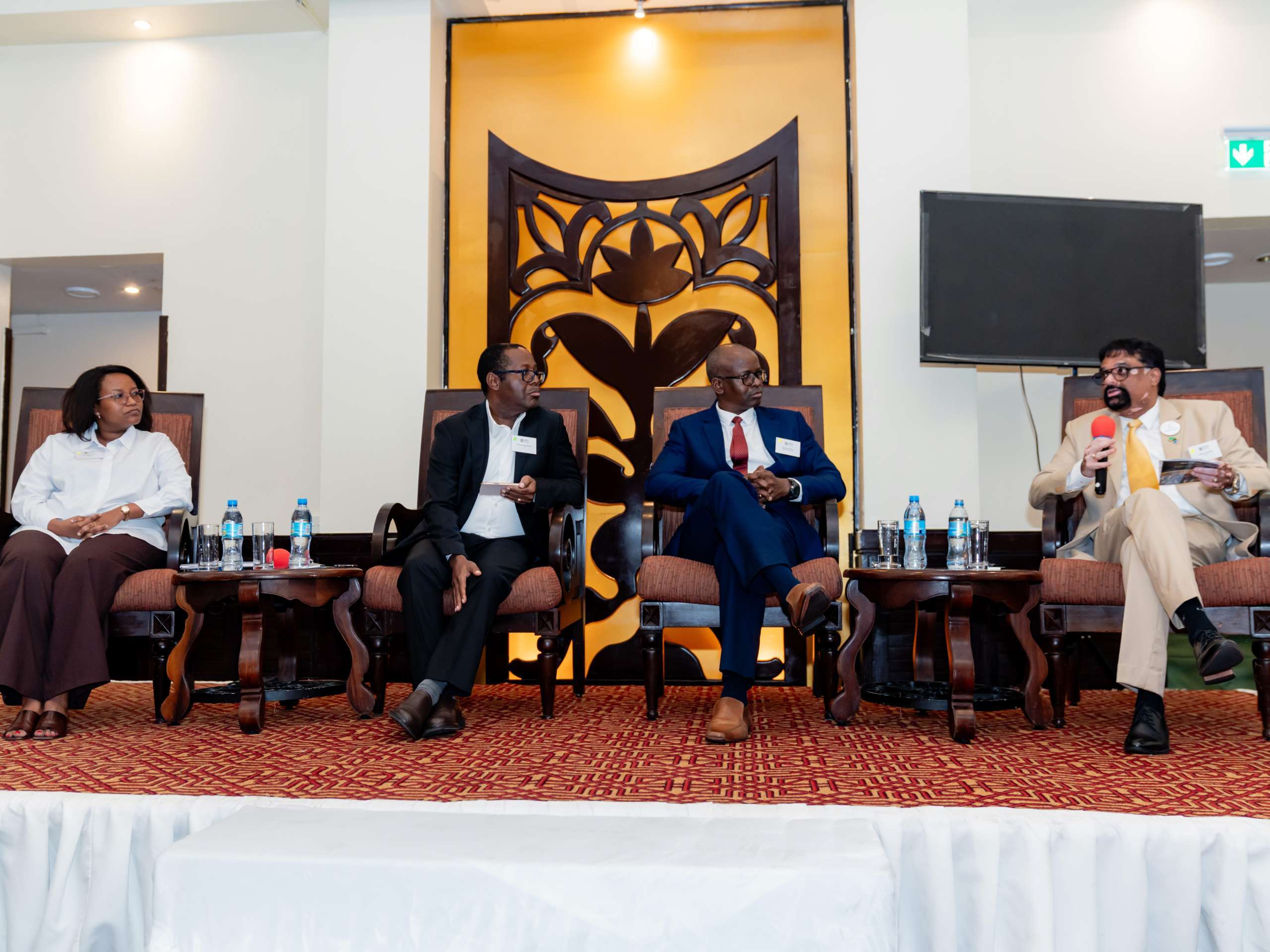
The first panel, featuring Amsons Group CFO Bobby Sumanth, Newtan Insurance CFO Cyprian Fimbo, Yas Tanzania CFO Innocent Rwetabura, and Bayport Tanzania CFO Rehema Sanare, explored the leadership lessons that no professional qualification prepares a CFO for.
Bobby, who moved from India to Kampala in the year 2000 as his first overseas assignment, reflected on the gap between technical competence and the ability to lead across cultures.
"Human elements are not taught, they are caught. You come across a lot of ethnicities, people from different cultures, backgrounds, and you interact with them and make them feel comfortable. As CFOs, we have a larger picture to take care of. You interact with a lot of government people, revenue authorities, and local citizens. Gelling with them was paramount for me," he said.
The point resonated with Cyprian, who drew a distinction between authority and leadership closer to home. In his view, a CFO appointment gives you authority, but trust and influence have to be earned. He went further, challenging the room to think about what results actually mean for a finance leader.
"In finance, results are not only about profitability. They include strengthening internal controls, improving governance, enhancing compliance, reducing operational risks, improving reporting quality and creating efficient processes," he said.
He also pushed back on the idea that problems that revolve around people are the hardest to solve.
"Many organisational problems are process problems. A strong CFO focuses on building systems and processes that reduce errors and create sustainable performance. When the right processes are in place, many recurring problems disappear naturally," Cyprian said.
Running your own race
In his reflection, Innocent revealed that he had been newly promoted to finance director and posted to Sierra Leone when his group launched a company-wide ERP migration. On the weekly calls, every finance director reported progress. Innocent’s numbers sat at three or four percent while others announced double digits. Although he finished last, his migration was also the cleanest, with no data issues or fraud.
"Don't be distracted. Stay focused. Run your own race, stay in your own lane. Some of you might be thinking you're lagging behind. Don't worry, you're not lagging behind, my friend. You are on your own timelines," Innocent said.
When Rehema was contemplating a career move, every colleague told her not to. Nearly a decade later, she urged the room to interrogate whose fears they were actually listening to.
"Do your research, know where you want to go and why, and consult widely. But recognise that people often project their own fears onto you. In the end, the small voice inside you gets the casting vote," she said.
The integrity test
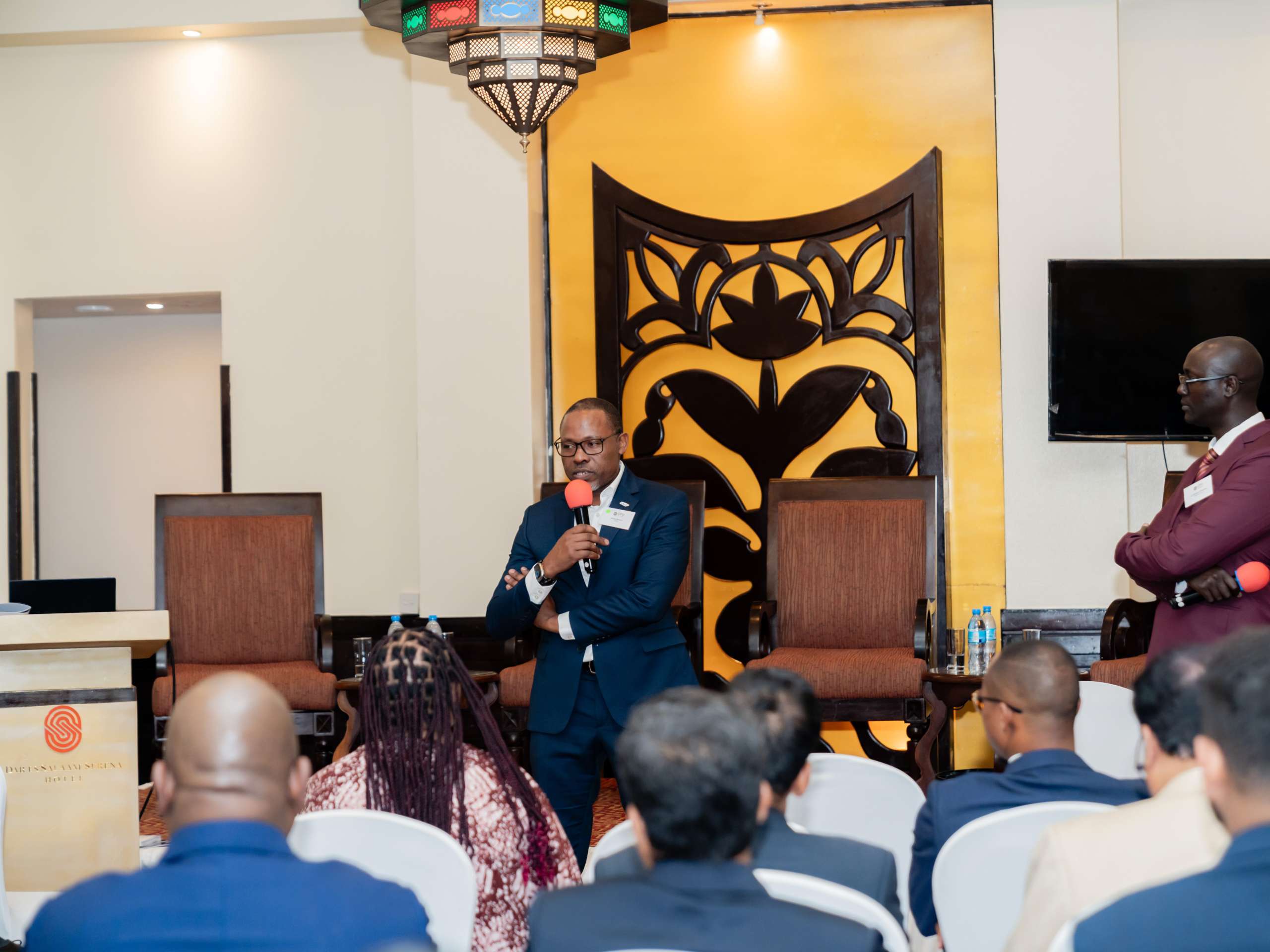
After a session of roundtables, Juma Kimori shared his key take aways from CFO Day in South Africa. As a corporate member of CFO East Africa, the NMB finance chief took part in the day-long seminar with finance leaders from across Africa.
“It was very interesting. Other than engaging with new CFOs from different countries and industries, I got to learn a lot about the need for finance leaders to take charge when it comes to matters sustainability in their organisations. This aligns with what we have been talking about today. We need to think beyond numbers and embrace such values as earning trust of our stakeholders. This will give everyone comfort that you can be a suitable guardian of company finances and related initiatives over the long term,” he said.
The second panel, featuring PASS Trust director of finance and administration Doreen Mangesho, Deloitte Consulting Tanzania CFO Relief Mtenga, and Africa Global Logistics CFO Sekou Kaba, went deeper into the experiences that defined their careers.
Doreen recalled the day she stepped into her first leadership role and experienced resistance during the transition, particularly from individuals who had not yet embraced the new leadership structure.
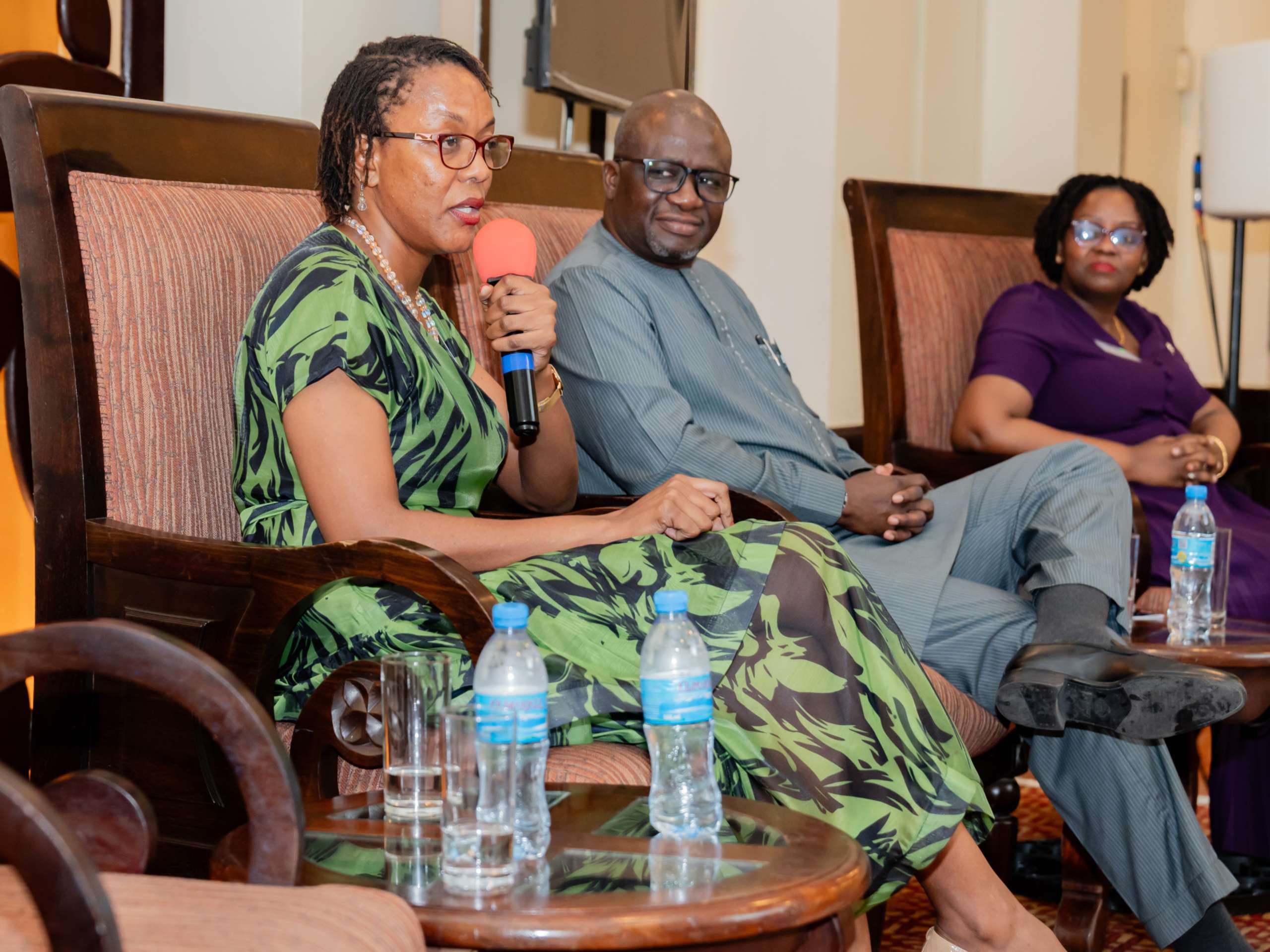
"I went to management and said, please appreciate my position as head of finance, but I would like to make some changes. Through that structure, I chose the right team, and it worked very well. Eventually they came to regret and apologise," Doreen said.
She added: "What I learned is that leaders do not always change outcomes by changing people. Often, they change outcomes by changing the environment in which people operate."
Sekou built on that by describing the moment early in his career when he took over a position from an expatriate and got to learn that he was earning a fraction of what his predecessor was taking home.
“My mentor explained to me that it is actually a mark of deep trust that they were giving me a role that gave me access to employee remuneration data. I was expected not to react negatively but instead have a positive mindset noting that if I did the right things the right way, success would naturally follow. Today, I have surpassed that amount that at the time seemed insurmountable,” Sekou shared.
Clarity as kindness
For Relief, the defining moment was working in South Sudan, where levels of illiteracy were very high.
“Imagine having to verify payments based on finger prints rather than signatures. You really cannot apply a standard process to a non-standard situation. That taught me that you need to be adaptable as a finance leader and to always approach the job using the right context,” she explained.
Relief also spoke about the shift in mindset required when she moved from the corporate world into international development, and how it forced her to rethink what a good financial report actually is.
"The most technically correct financial report is worthless if the people reading it cannot act on it. It's totally worthless. So you have to have credible character and be trustworthy to be able to be trusted by the management and the organisation as a whole," she said.
The event was sponsored by principal partners KPMG East Africa and Newtan Insurance and associate partners EY, Kora and Verto.