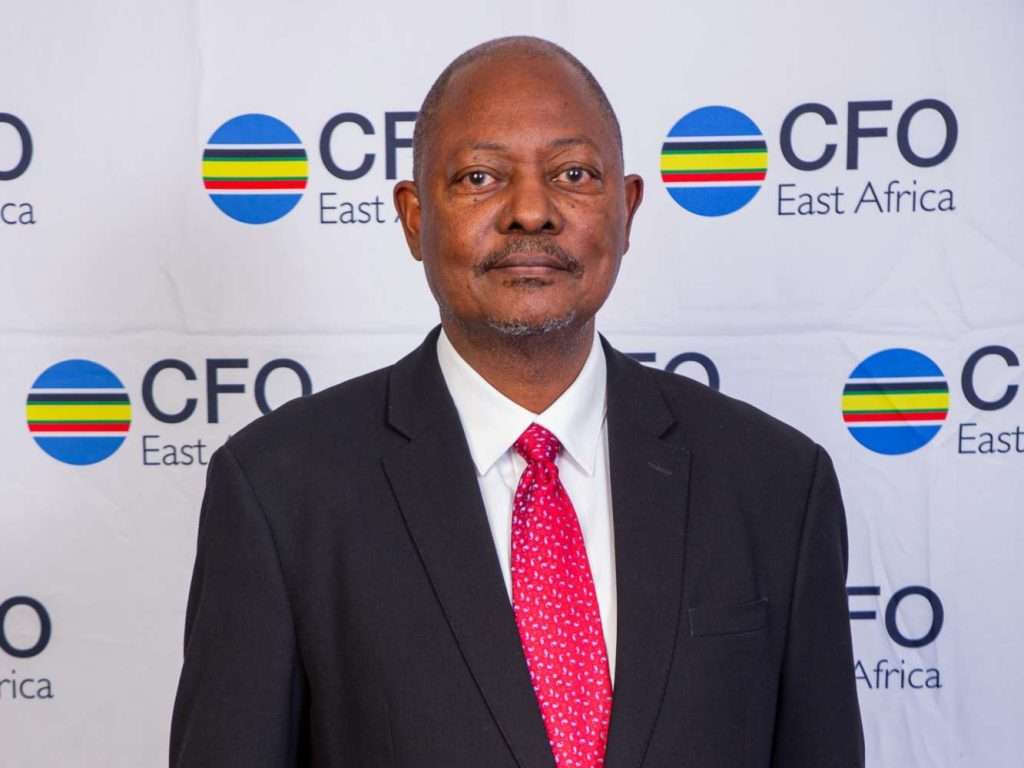
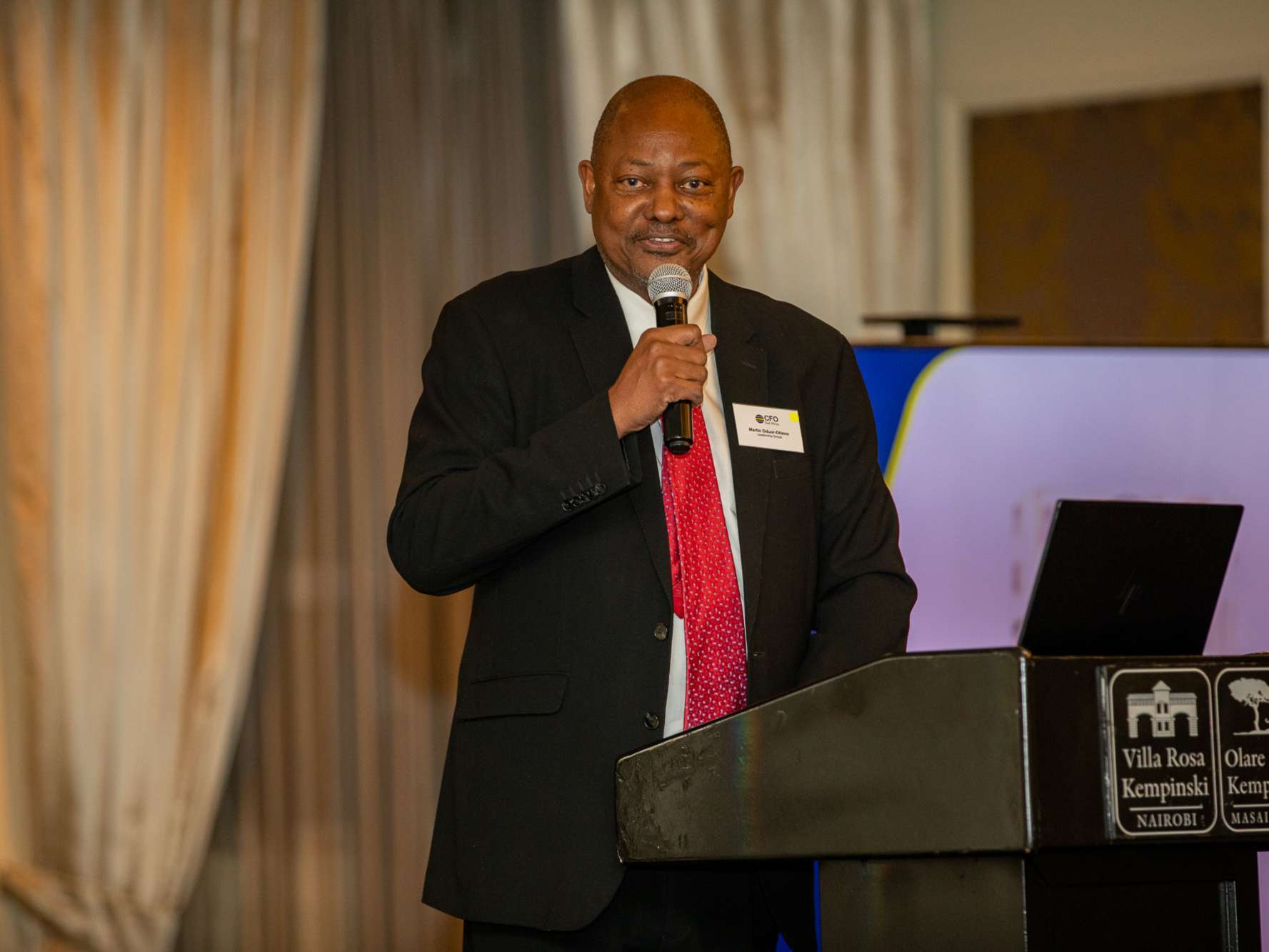
The renowned business leader has spent decades working across banking, government and corporate boards. He has observed how the role of finance leaders continues to evolve. Delivering the keynote address on humanising financial leadership at the CFO East Africa leadership summit at Villa Rosa Kempinski in Nairobi, he reflected on how the expectations placed on chief financial officers have changed.
At the CFO Leadership Summit, Martin Oduor Otieno began his keynote address by reflecting on the way accountants and finance leaders are often perceived. He noted that stereotypes have long shaped how people view the profession and the individuals within it.
“People have got a view of accountants, or who accountants are and how they behave in and out of work. They are not the kind of guys that enjoy themselves at parties, although these days I see that has changed,” he said.
Martin explained that strong organisations are built on strong teams. He asserted that leaders in finance cannot separate their technical responsibilities from the development of the people they work with.
“You will only be a good leader if you build a winning team, and if you therefore care for that team, build and grow your people,” he said.
Rethinking the role of finance leaders
Long hours and demanding reporting cycles are often seen as part of the profession. Martin suggested that the modern workplace requires a different balance. He noted that leaders have become more aware of the impact work can have on personal wellbeing.
“Your health is more important than anything else that we do, and therefore drawing those boundaries, not sitting in the office for days on end trying to close the year and do other interesting things that accountants and CFOs do,” he said.
The process of preparing financial reports often demanded long nights at the office.
“I remember in my early days as an accountant working at BAT there was just one night when I slept in the office,” he said. Back then, preparing reports involved systems that required precision and patience. Communication with head offices abroad relied on technology that is now largely forgotten, and even a small error could mean starting the process again. “We were sending year-end reports to London using telex machines. If you were punching this telex thing and you made one error, you had to go back and start it all over again. We were doing this the whole night until the following day because the report had to go on that particular day,” he added.
Those early experiences formed part of a career that eventually placed Martin in senior financial leadership roles across the corporate and public sectors. He spoke about the period when he served as a CFO in banking and later moved into government.
“I was last a CFO in 1999 when I was finance director at Barclays. Then I became a CFO in government when I worked for the government of Kenya as permanent secretary in the Ministry of Finance in the treasury,” he said.
Looking back on those years, Martin reflected on how the role of the chief financial officer has developed. However, its influence within organisations has steadily expanded over time.
“If the CEO is described as the captain of the ship, then the CFO is the person that quietly watches the compass, the fuel gauge and the weather ahead,” he said.
The expanding influence of the CFO
Organisations increasingly rely on finance leaders for more than just presenting numbers. They are expected to provide judgement and discipline when navigating uncertain conditions.
“When the storms come, organisations look to the CFO not just for numbers, but for judgement, for discipline and for truth,” he said.
That expectation is shared by many chief executives. They rely on the finance function to provide clarity and honesty about the state of the business.
“I was listening to a conversation by a CEO who said the only two people he trusts in his business are the CFO and the CHRO, because the CFO tells him the truth,” he added.
Over time, those responsibilities have made the CFO one of the most influential positions within modern organisations.
“The role of the CFO today is probably one of the most important roles in any organisation, if not the most important,” Martin said.
That influence comes from the visibility finance leaders have across the entire business. This allows the CFO to develop a broad understanding of how the organisation operates.
“The expectation is that the CFO is the right-hand person to the CEO, but beyond that probably has a much broader knowledge and understanding and depth of issues in the organisation than anybody else,” he added.
Finance leaders are now expected to help shape the future direction of the organisations they serve.
“We have moved away from the days when the CFO role was about compliance and reporting and costs. Today’s CFOs are involved in guiding transformation, influencing strategy and supporting leaders across the business as they navigate an uncertain environment. People are talking about shaping the future of organisations and influencing strategy,” he said.
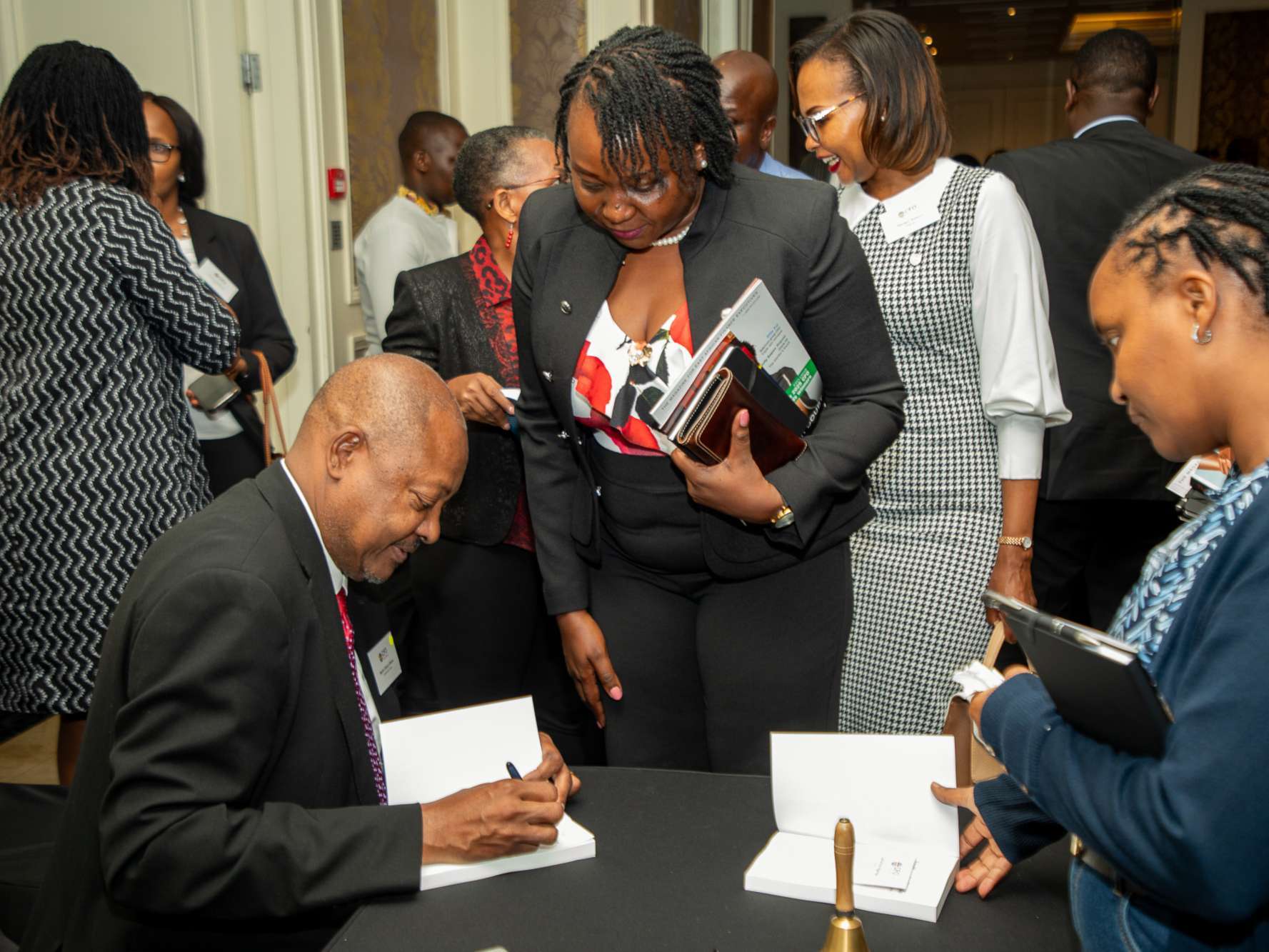
Humanising financial leadership
The command-and-control style that once defined many corporate environments no longer resonates with the modern workforce.
“When I was growing up as a young person in leadership, the leaders that we knew were those strong-arm leaders sitting behind closed doors giving directions,” he said. “If you consider the generations in the workplace today, they would not respond to that kind of leadership,” he added.
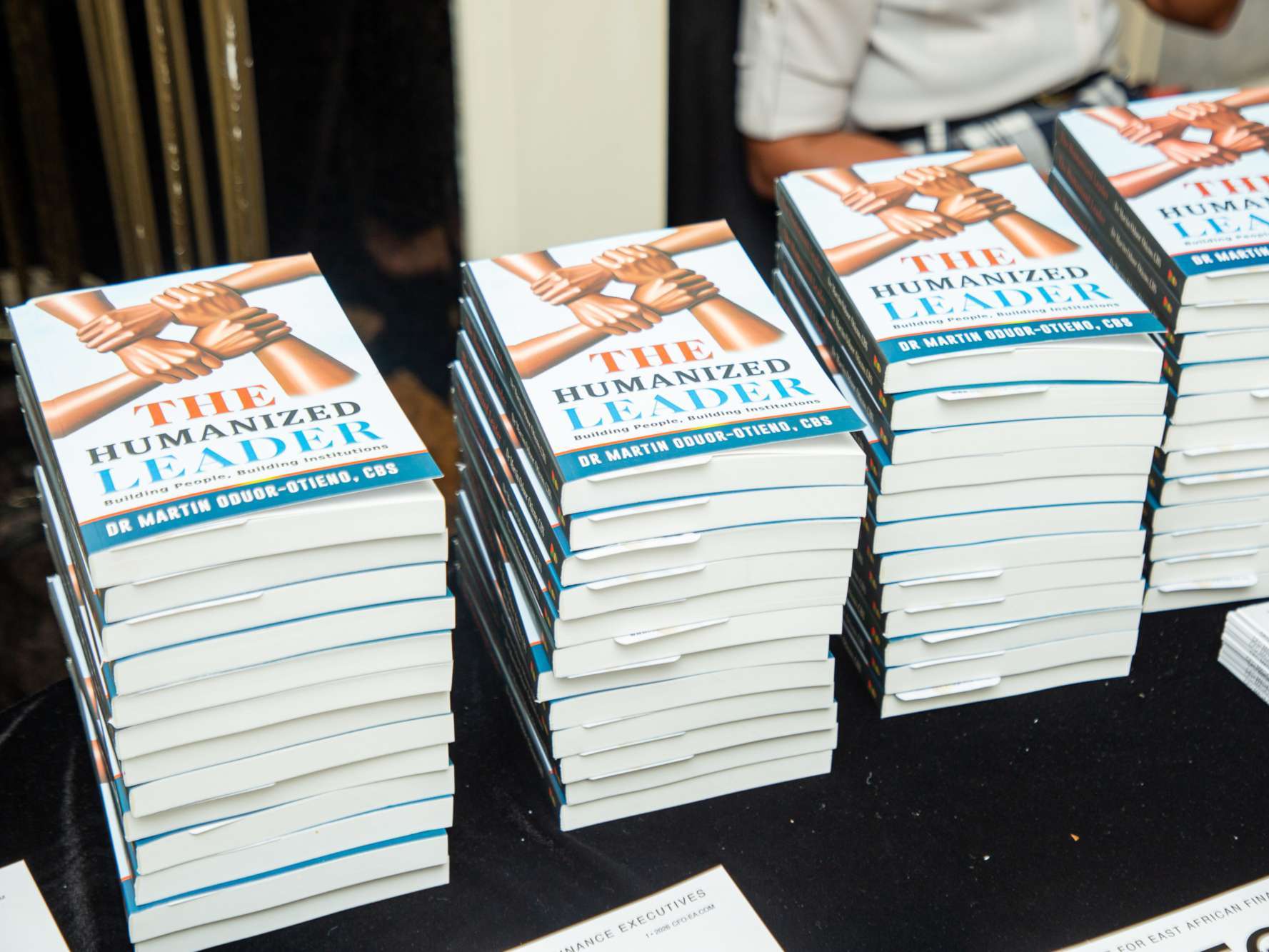
For Martin, that shift lies at the heart of what it means to humanise financial leadership. Technical expertise remains essential. However, effective leadership requires more than an understanding of financial standards and reporting frameworks.
“It is taken for granted that we understand the technical side of our business,” he said. The real challenge lies in how finance leaders guide their organisations beyond those technical foundations. They must create environments where people can grow and contribute. “How do we actually lead as CFOs beyond IFRS?” he asked.
Organisations continue to navigate transformation, mergers and new growth opportunities. Martin mentioned that the expectations placed on CFOs continue to expand as a result.
“We need to make sense of the numbers and make sure that the message behind those numbers actually comes through,” he said.
The most significant challenge for modern finance leaders is not simply technical expertise. It is the ability to lead people while guiding organisations through change.
“The really big defining moment for CFOs today is to become humanised CFOs,” he said.
For Martin, that idea captures the direction in which the profession is moving. Financial discipline and technical knowledge remain essential. However, the future of finance leadership will increasingly depend on the ability to combine those skills with empathy, judgement and a focus on people.
“We need to humanise our CFO practice and really deliver value to the organisations that have entrusted us,” he said.