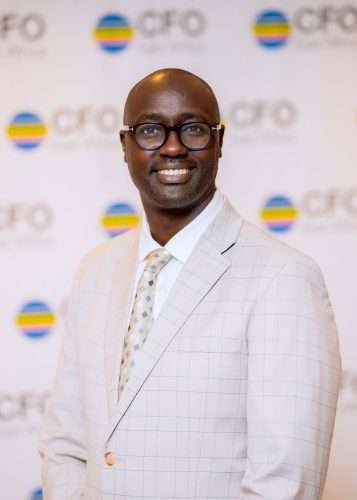
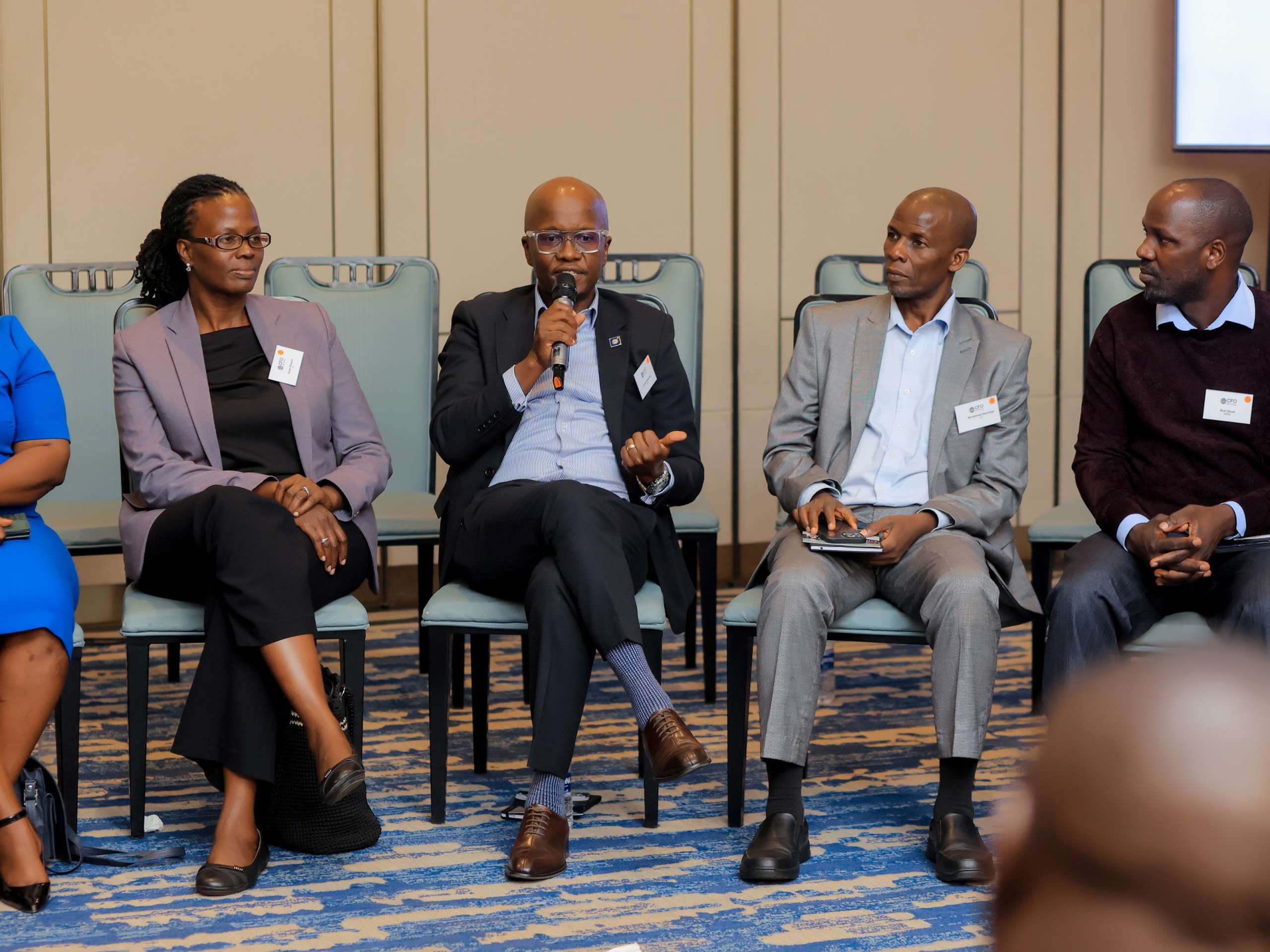
During a breakout session at the CFO Summit: Reflections and Aspirations, in Kampala, Uganda, business leaders discussed the disruptive power of technology and changes in the global economy. Their reflections revealed a clear shift from safeguarding numbers to shaping strategy.
To stay relevant, finance leaders must step beyond the numbers. This is the common thread that emerged during discussions at the CFO Summit: Reflections and Aspirations held at the Four Points by Sheraton Kampala.
“It’s not just about producing the financials but ensuring the business will survive in these turbulent times. The CFO must leave the numbers to the automated tools and join the team that goes out to do the thinking. That means being part of innovation and re-engineering. You have to continuously reshape your organisation if you want to survive,” said one executive.
Resilience, several executives agreed, means knowing when to invest, even when conditions seem unfavourable. As one attendee put it, resilience means building a balance sheet that can absorb shocks and seize opportunities. This forward-looking mindset, they argued, is now a core part of financial strategy.
“When a crisis hits, the opportunity is often in how you react. There are markets where everyone pulled back, and those who dared to invest came out on top. They went from number three to number one. The difference was resilience,” said another executive.
Building strong teams
People also emerged as another non-negotiable priority. During the session, attendees noted that a CFO is only as good as their team. But beyond hiring talent, they advised, leaders must also nurture trust, especially after mergers or acquisitions. They stressed that building strong teams requires alignment.
“There was a time I found myself shifting from someone focused on numbers to someone managing trust. You have to build trust with new shareholders and with your team. Some people will leave. But if you have a pipeline, you can recover,” said one guest.
As another executive noted, a team’s belief in the vision can make or break the outcome during a moment of organisational change. This requires CFOs to shape the culture of an organisation deliberately, especially when it is made up of different generations. Some attendees described the challenge of managing long-serving staff with millennial and Gen Z hires.
“We noticed our biggest challenge wasn’t structure. It was the culture. One side had people who had just joined the workforce, the other had people who had been there since they left school. We had to find a way to protect our market position without letting friction cause a loss of value,” an attendee said.
Agility and adaptability
The question of agility also arose within the context of compliance. With regulations across East Africa growing more complex, finance teams face a new imperative to balance agility and control. This means understanding the law and building systems that anticipate likely outcomes.
“The value is no longer in quoting the law. It’s in understanding how your regulator might interpret it. And then planning around that,” an executive said.
Also related to agility was the increasing use of artificial intelligence (AI), with some executives warning that AI-led disruption would transform nearly every aspect of the finance function faster than expected. They urged their peers to learn how to leverage AI for strategic thinking.
“We are all doing test cases. You feed a contract into the tool and within seconds it flags every change. You know where to focus. That’s the speed we’re talking about,” one attendee said.
Key to this change is the need to remain curious and learn how automation could be used to support teams.
“The story for me is how to use technology to create balance. I don’t want people working until midnight. I want them to spend less time crunching and more time thinking. AI can make that happen,” another executive said.
The sustainability imperative
The discussion closed out with a focus on sustainability, with finance heads at donor-reliant organisations pointing out the need to become self-sustaining. Some, who had suffered funding cuts following a US presidential directive cutting foreign aid, described the pressure to maintain services with shrinking support.
“We are not a project, so we cannot close. But when funding slows down, you have to make hard decisions. And the numbers do not always allow you to act with your heart,” an attendee said.
In closing, the session returned to the core of the CFO’s evolving role, with a clear consensus emerging: finance leaders must lead beyond the ledger if they want to remain relevant.
“You need to stop thinking like a department head. Ask yourself what problem you’re solving across the organisation. Are you solving a cash flow issue or a business model issue? That is where the new CFO must live,” one guest said.