Finance leaders at the CFO East Africa Sustainability Summit in Kampala argued that sustainability has moved from a side project into the centre of financial strategy.
On 13 August 2026, CFO East Africa returned to the City of Seven Hills for its annual sustainability summit in Uganda, gathering more than 100 finance chiefs at the Four Points by Sheraton Kampala.
CFO East Africa community manager KC Rottok Chesaina invited the executives to rate their readiness for the incoming IFRS S1 and S2 sustainability reporting standards on a red, amber or green scale. What followed made it clear that sustainability has stopped being a side project handed to a specialist once a year, and now sits firmly inside strategy.

"We're not doing it to comply with the regulator. We're scared of losing a stakeholder. That's the major thing," Pearl Bank Uganda CFO Peter Ssenyange said.
His comment set the scene for a wider discussion on where sustainability sits within an organisation's structure. During a panel discussion on lessons finance leaders have learned in their sustainability journeys, Stanbic Bank Uganda chief finance and value officer Ronald Makata said that CFOs are best placed to embed the required standards from the board down to the newest recruit.
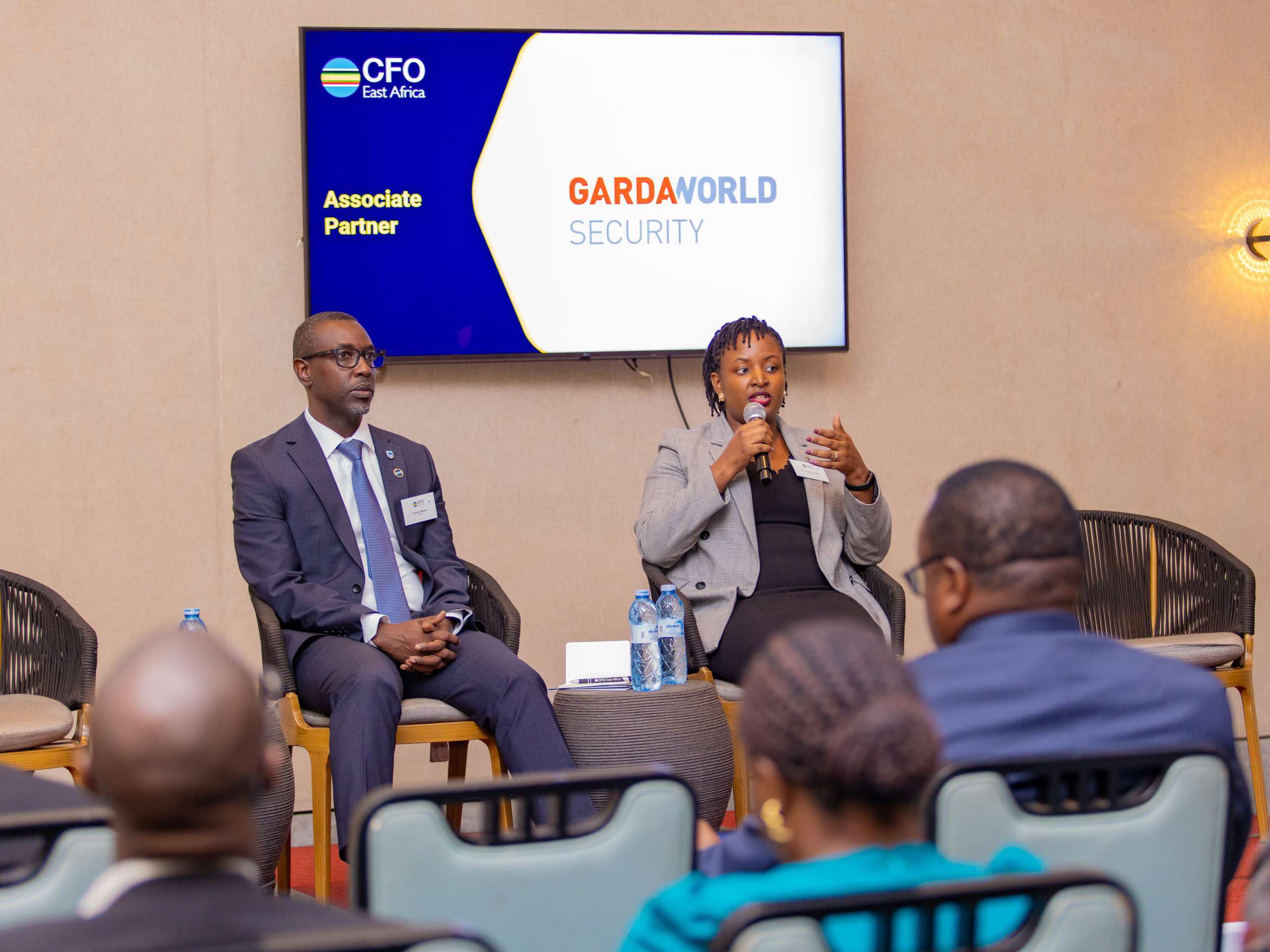
"Sustainability in its essence is not a project. It is not a side gig. It has become part and parcel of the organisation and how we think," Makata said.
Sanlam General Insurance CFO Doreen Kyomugisha described how her underwriting team has built ESG questions directly into the risk assessment process, using a case from the property book to illustrate the point.
"If you are underwriting a manufacturing business and you do the ESG assessment, you'll pick out that it is located in a wetland. That highlights an environmental issue, and an environmental issue can result in flooding and business interruption," Kyomugisha said.
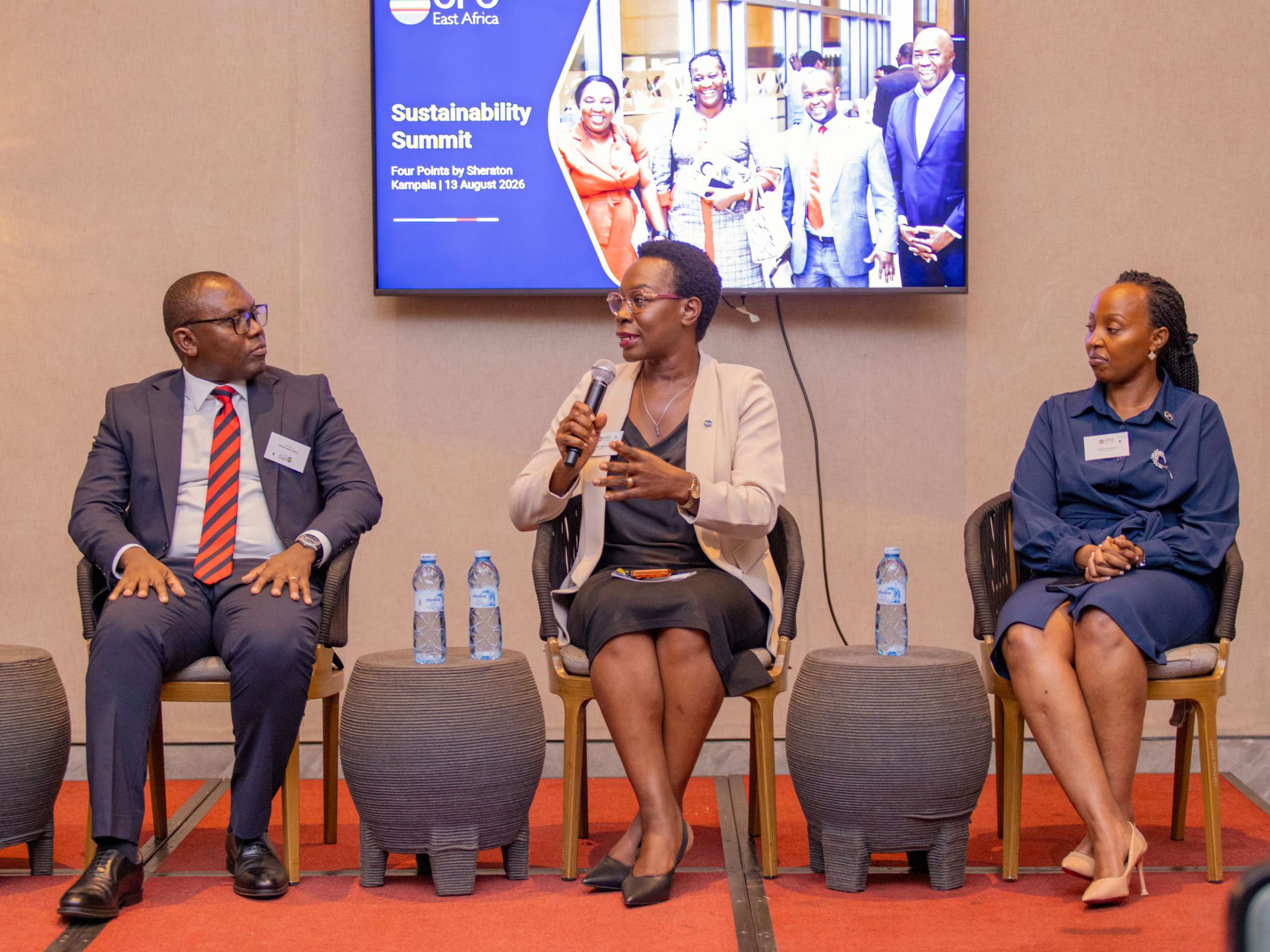
Also on the panel was CFAO Uganda finance director Anita Akishure, who was asked to explain the emissions categories that underpin most reporting frameworks for the benefit of the room.
"Scope one is the direct emissions from your operations. Scope two relates to indirect emissions, like the electricity you buy. Scope three is anything else that is out of your control but is a footprint from your business," Akishure said.
Ishara Towers Rwanda CFO Lilian Budandi touched on Rwanda’s legal framework, saying regulators in Kigali have set clear expectations for companies operating telecom infrastructure, extending compliance requirements to the partners those companies work with.
"The regulator, specifically in Kigali, is very heavy on reducing emissions. They have given guidelines and policies to reduce generators on sites. You have to connect sites to the grid," she said.
The sustainability question
The panel discussions gave way to Stanbic Bank Uganda CEO Mumba Kalifungwa’s address, during which he framed sustainability as a commercial question rather than a moral one. He pointed to the bank's positive impact agenda, which has mobilised financing for women, youth and farmers across the country.

"Purpose and profitability are not adversaries. They are powerful allies. Sustainable businesses are the best positioned to lead, to grow, and win in the future," he said.
Stephen Ineget, country managing partner at KPMG Uganda, picked up on the need for external assurance in his own partner address, pointing to the problems that surface long before any report reaches sign off.
“The issue of data remains a challenge. Who takes responsibility, how accurate, how close to being reasonable, is a big issue,” he said.
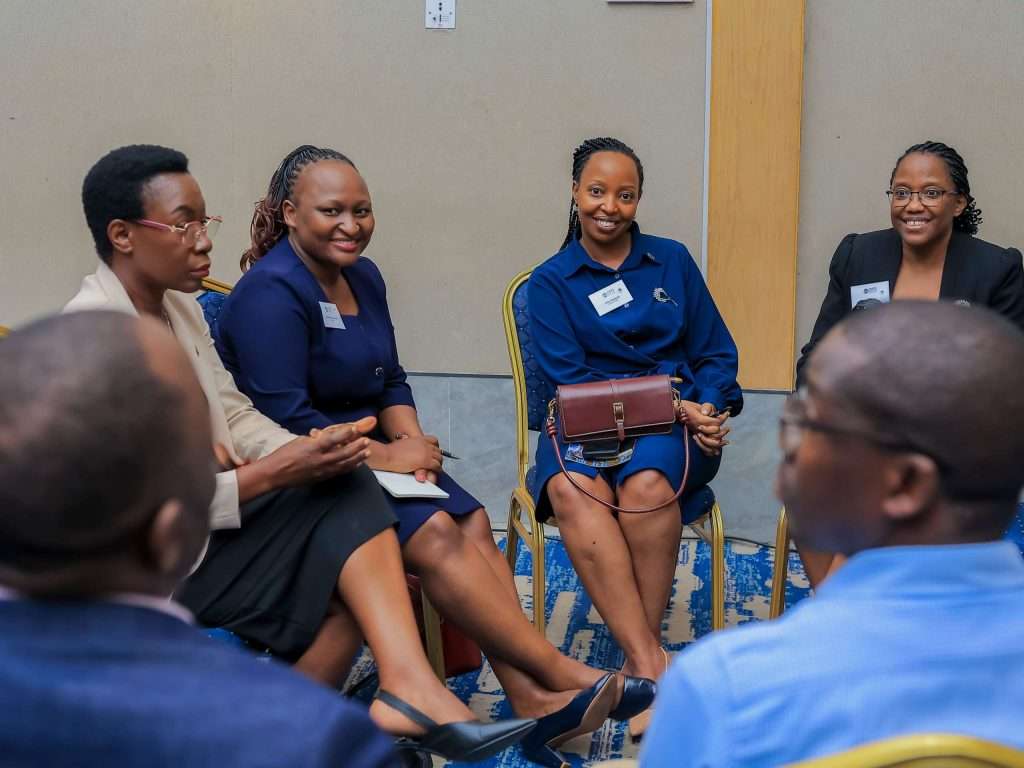
Attendees then broke into smaller groups to discuss the ESG initiatives already running in their own organisations as canapes circled the room.

The roundtable feedback session that followed brought in voices from outside banking and insurance. Africa Improved Foods Rwanda CFO Dan Mugisha explained how sourcing maize locally instead of importing it had reduced both emissions and a long-standing public health problem in Rwanda.
"The stunting rate in Rwanda moved from 47 percent to 27 percent in 2025 because of the fortified foods that our country is intentionally investing in," he explained.
ASA International Uganda acting CEO Irene Maberi spoke to the social side of the agenda from her position running a microfinance institution built around women borrowers in hard-to-reach areas.
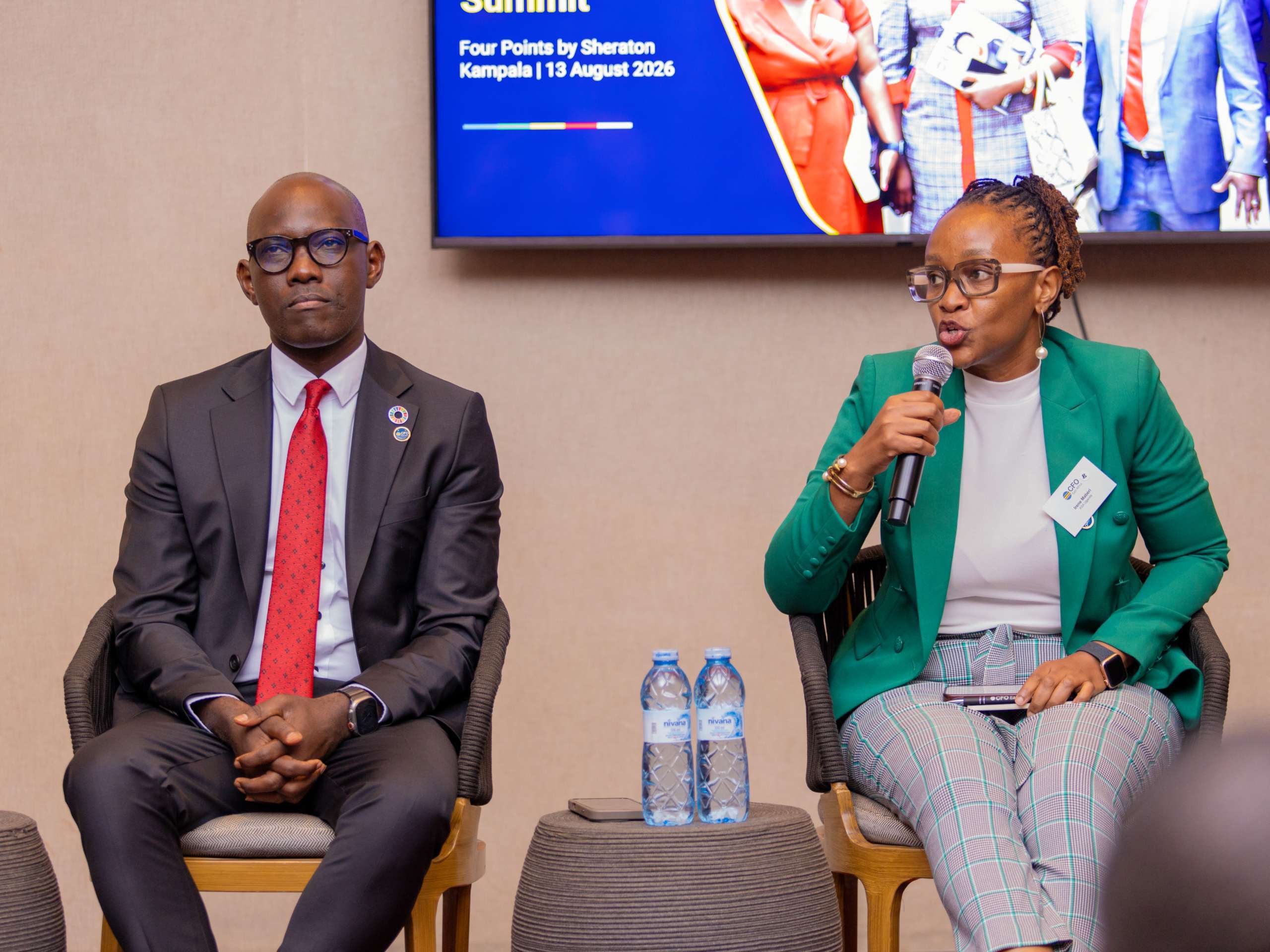
"We are extending micro loans to women specifically, but what we are looking to do is eradicate poverty. We look at their businesses and work with them to ensure they are advancing," she revealed.
Making a wishlist
The closing panel returned to the question of where the CFO sits in driving ESG forward. As Old Mutual Investment Group CFO John Ggolooba noted, finance leaders need to treat sustainability budgets with the same discipline as any other strategic investment.
"Any non-funded strategy is a wish. You are making a wish list. But if you attach the financial and support the strategy, then it adds value," he said.
Kelvin Musana, CFO at Standard Chartered Uganda, said his bank has gone further and placed its ESG committee under the direct chairmanship of the CFO rather than a separate sustainability department.
"There is a reason why the accounting standards or the S1 and S2 are issued by the accounting board, and the only person in the institution who deals with that is a CFO," he explained.
Stevens Mwanje, CFO at NSSF Uganda, made the same argument at national scale, pointing to a study the fund commissioned into its own economic footprint.
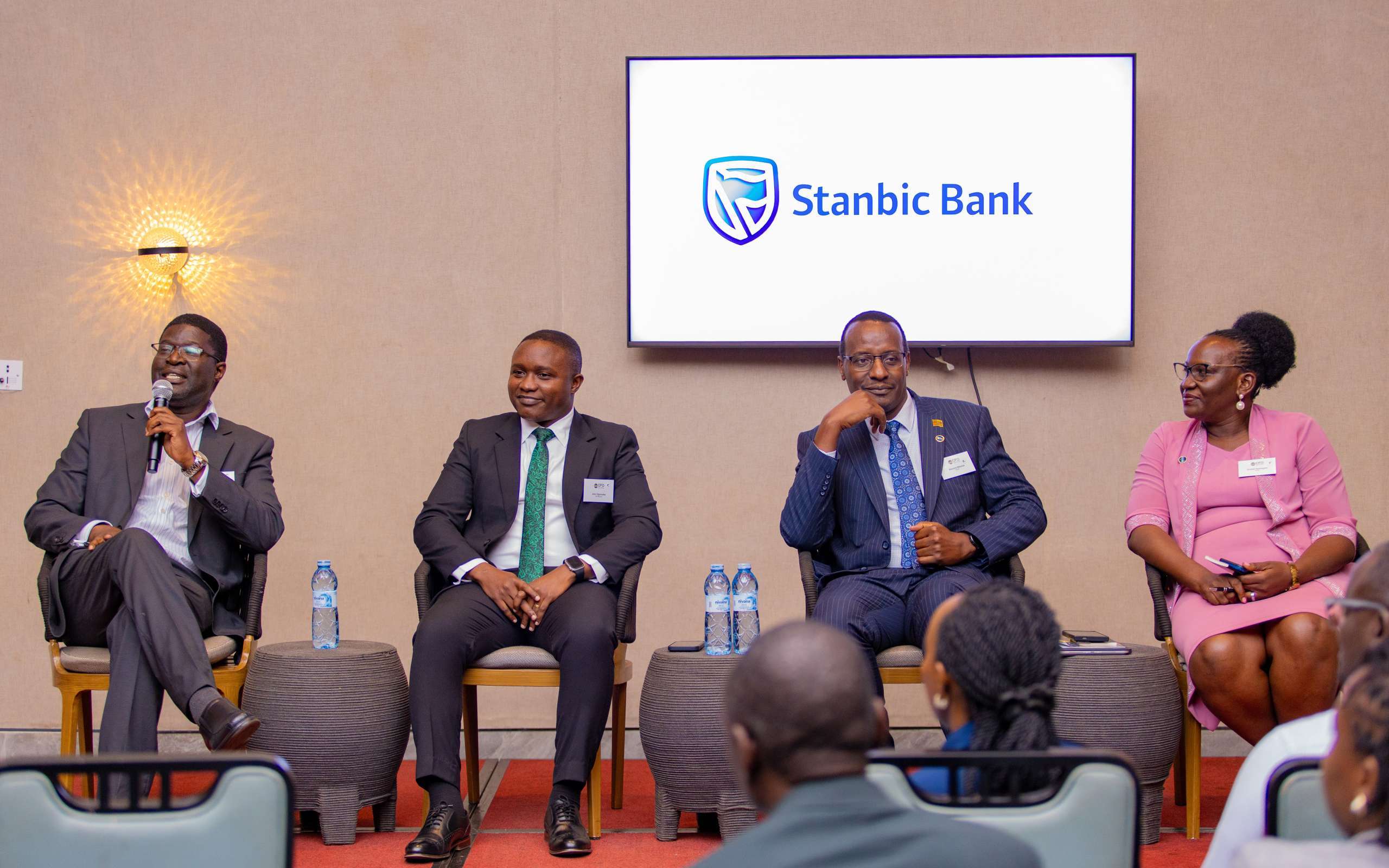
"We commissioned a study in 2024 to work out the socioeconomic impact NSSF has had on the Ugandan economy over ten years, and we found we had a multiplier effect of around 145 trillion shillings and had been responsible for creating around two million jobs," he said.
Joint Clinical Research Centre deputy executive director for finance and operations Drollah Ssebagala closed the evening by describing how far the CFO's remit has moved from the numbers alone over the course of her career.
"As CFOs, our role has evolved over the years. We are no longer required to be bookkeepers. We have to be strategists, and we have to be at the core of ensuring we drive ESG strategies," she said.
The event was proudly sponsored by principal partners KPMG, Old Mutual and Stanbic Bank Uganda, and associate partner GardaWorld.