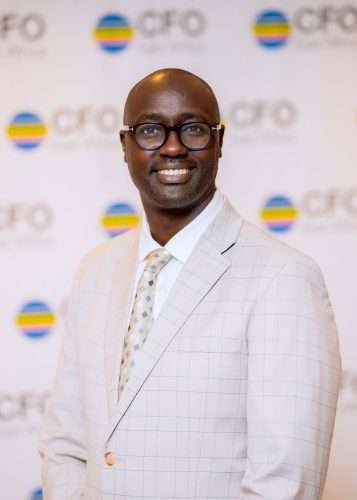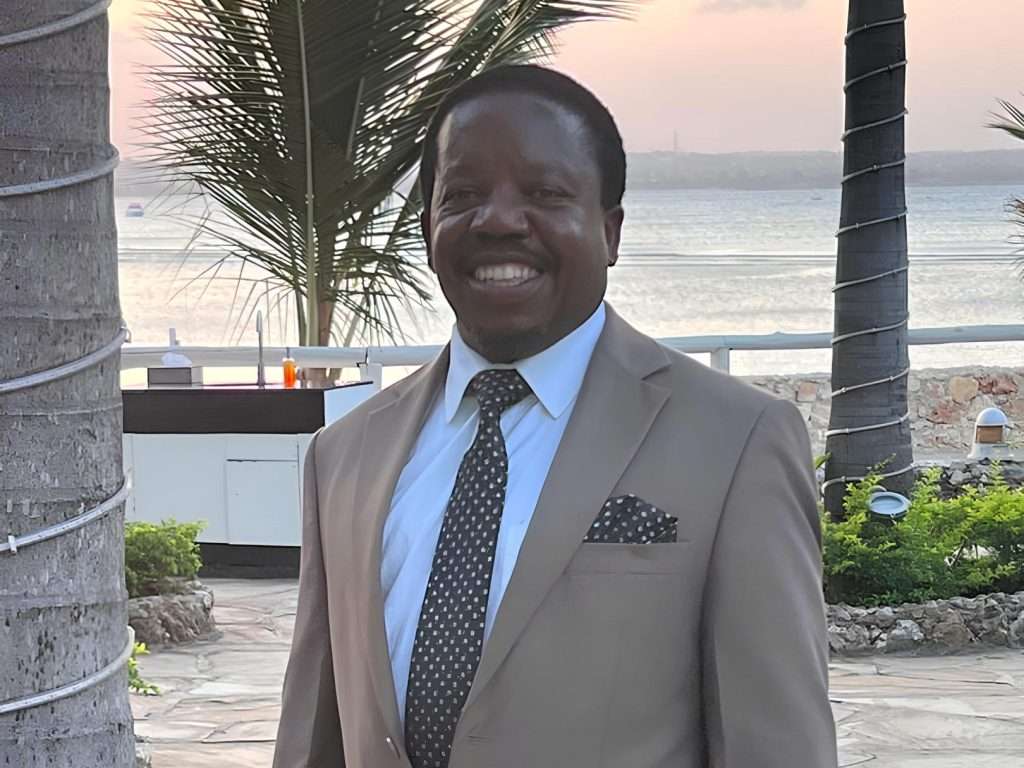
Maneno Mpagama works with a clear head, even when the pressure mounts. He has made a habit of calm thinking and knowing when to stand his ground.
In the tightly regulated world of ISPs, cash flow management is both a science and a survival skill. WiA CFO Maneno Mpagama knows this better than most. He reviews collection rates every day and keeps financing options close at hand.
“You have to be on top of the daily cash flows. How money comes in on a daily basis and how money gets out on a daily basis. So, you shouldn’t be in a position where you get surprised by a cost which you’ve never had before. It can take you out of business,” he says.
Maneno’s team produces daily, weekly, monthly and five-year forecasts. The goal, for him, is to anticipate. In his experience, many businesses falter because the timing is wrong. He warns that even a viable venture can collapse under the weight of high regulatory costs and tax burdens. As he sees it, forecasting is not optional in a business where compliance and licensing fees are high.
Before WiA, Maneno worked in banking and donor-funded projects, each with its own interpretation of value. In the NGO world, the discipline was spending money exactly as planned, and failure to do so indicated poor planning. But in banking, value came from managing the spread between deposits and loans. At WiA, impact is measured in cash collected against services rendered. Although each role sharpened his instincts, his most formative years were at Stanbic Bank.
“I can remember one of my CFOs at Stanbic Bank. She used to be a lady. I learnt a lot from her together with the CEO as well. I think Stanbic has been a foundation of who I am at the moment. I learnt a lot,” he reveals.
High-stakes assignment
Early in his tenure at Stanbic, Maneno was tasked with resolving a four-year tax dispute worth Tsh 4 billion. Previous efforts had involved consultants from the Big Four audit firms, but progress stalled. Maneno volunteered to handle it in-house. Within a month, he brought the exposure down to 800 million and negotiated a settlement with the tax authority. The bank awarded him group-wide recognition.
“When we got there, I told the bank that this was enough. We cannot get more than this. Let’s just pay this and then we proceed normally. The tax authority saw that as a phenomenon. They came to do another assessment a few months later and we closed it instantly,” he says.
In one organisation, he unearthed blatant attempts to inflate revenues and profits. The errors were obvious. When he flagged them, both management and the board resisted. Eventually, he resigned.
“Although I suggested it correctly and I was standing up to my professionalism, maybe the approach which I took wasn’t correct in terms of the political aspect of it. That changed my perspective. The way you approach something which you believe in can determine whether you succeed or not,” he explains.
Maneno now carries that lesson into every boardroom. He remains committed to ethical finance, but his methods are now tempered by tact. He believes CFOs must be able to both numbers and relationships.
“I have been mentoring my team around technologies and leadership as well. Power Query and Power BI are the tools I normally use in terms of doing a lot of analysis. And that has been a cornerstone in terms of making sure that I get in control with the data and their meaning as far as business is concerned,” he says.
Silence is the best defence
It is a far cry from the days when he was studying for his ACCA in the UK, overwhelmed and nearly ready to quit. Two weeks before his first exams, he had not found a job yet and was on the brink of deferring his studies. A phone call with a friend changed everything.
“I got new energy and decided to change my tactics. I was using day and night to study. I passed all of them and that gave me new energy to make sure that I did papers every time without postponing. I’ve never postponed until I finished them,” he said.
Since then, he has risen steadily through the ranks. Beneath the technical knowledge is a composure that sets him apart as a calm and measured leader. In situations of conflict, he deploys what he calls the ‘traffic light tool’, where green stands for calm, yellow for warning, and red for stop.
“If you feel like your head is flying, step out. Go to the washroom. Take a cup of water. Then come and structure your response properly. If there is no way of getting out, silence is the best defence,” he says.
Maneno believes this kind of emotional intelligence is essential for CFOs, especially in organisations with strong personalities and overlapping power structures. While many assume the CFO is simply a bookkeeper, he argues that the role is deeply strategic and indispensable to the business.
“They forget that you’re a critical component of the life of the organisation. You have to be comfortable with the business case. If you don’t include the CFO in meetings where business heads are sitting to deliberate their strategies, you’re likely to get the wrong number interpretation,” he explains.
Although Maneno maintains a sharp focus on bringing order to financial operations and keeping his team motivated, he does not believe in taking work home. Each day, he leaves the office at lunch hour to reset. He avoids working through weekends unless absolutely necessary, as he believes rest is essential.
“When I come back, I normally find myself reenergised and I finish up the day very well. Once you get home and focus on your family and the home chores, you’ll definitely find yourself energised early in the morning,” he says.