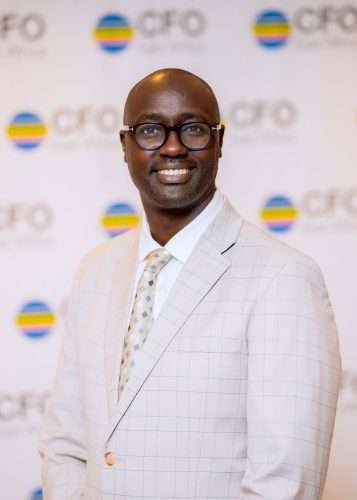
When we discuss financial excellence on a pan-African scale, the spotlight often lands on massive conglomerates. Yet, true financial agility is forged in the trenches of the SME sector, where strategy meets execution in real-time.
The role of the CFO has permanently transcended the traditional ledger. It requires a 360-degree approach built on four core pillars.
Managing finances within the East African SME landscape requires intense, real-time agility. The rigid, slow-moving structures of multinational giants fail here. When regional economies face macro shocks such as currency fluctuations, sudden supply chain disruptions, or shifting local tax regimes, SMEs cannot afford to wait for a distant global headquarters to approve a pivot.
True sustainability isn’t about defensive, panic-driven cost-cutting that chokes off future organisational growth. Instead, it is about maintaining a highly fluid approach to working capital. As a group CFO navigating these exact market dynamics, I have learnt that resilience is built by understanding local cash-flow cycles, optimising inventory velocity, and maintaining deep, trusted relationships with regional banking partners. We must build financial frameworks designed to bend without breaking under localised macro shocks.
Connecting strategy to ground realities
A modern CFO cannot lead effectively in total isolation from a siloed corporate tower. High-level financial forecasting and data-driven projections are entirely meaningless if they do not align with day-to-day operational realities. Real, sustainable value creation is proven directly on the factory floor, within distribution centres, and across active supply chains.
True victory lies in our ability to translate complex boardroom visions into practical, measurable, day-to-day operational efficiencies. For example, implementing advanced cost-accounting frameworks or introducing AI-driven sustainability tools is not just a theoretical accounting exercise. These strategies must actively empower the operations team to reduce waste, optimise production downtime, and streamline logistics. When finance leaders actively bridge the gap between financial theory and physical operations, they transform the finance department from a historical record-keeper into a proactive engine of corporate growth.
In a volatile and rapidly evolving economic climate, passive compliance with existing laws is no longer enough to safeguard an enterprise. Financial leaders must transition from reactive rule-followers into active industry advocates. Serving as the vice chair of the ACCA Kenya Advisory Committee has solidified my belief that finance professionals are uniquely positioned to shape national and regional regulatory landscapes.
Through proactive roundtable dialogues, direct ministerial engagements, and institutional partnerships, we must actively advocate for forward-thinking fiscal policies that protect and empower our business ecosystems. This means championing practical tax structures for SMEs, collaborating on frameworks for regional cross-border trade, and participating in public-sector steering initiatives. By stepping into these leadership roles, we ensure that the practical challenges faced by real businesses are directly considered by policymakers, clearing a smoother regulatory path for institutional growth.
Our ultimate legacy as executives is never calculated in profit margins or balance sheet totals alone. The true measure of our long-term leadership lies in the talent pipeline we leave behind. Throughout my journey, from navigating early professional accounting papers to achieving fellowship status (FCCA) and managing group finances, I have realised how critical structured professional mentorship is to institutional continuity.
Cultivating the next generation of finance leaders
As a dedicated ACCA mentor and past Future Members Champion, my primary focus is bridging the gap for young accountants and finance graduates. We must actively transform them from traditional number-crunchers into forward-thinking, strategic business partners. This transformation requires teaching them how to look beyond technical ledgers to interpret market data, evaluate operational risks, and communicate financial strategies clearly to non-finance stakeholders. By investing our time in robust mentorship, we secure the future of our profession and cultivate a resilient generation of strategic corporate leaders.
The modern financial leader must balance multiple critical roles simultaneously: acting as an operational strategist on the shop floor, a financial guardian in the boardroom, an industry advocate in public policy forums, and an inspiring mentor to the next generation.