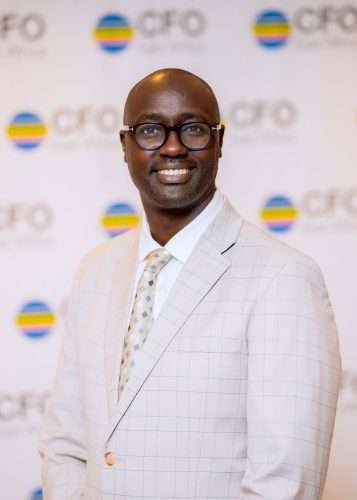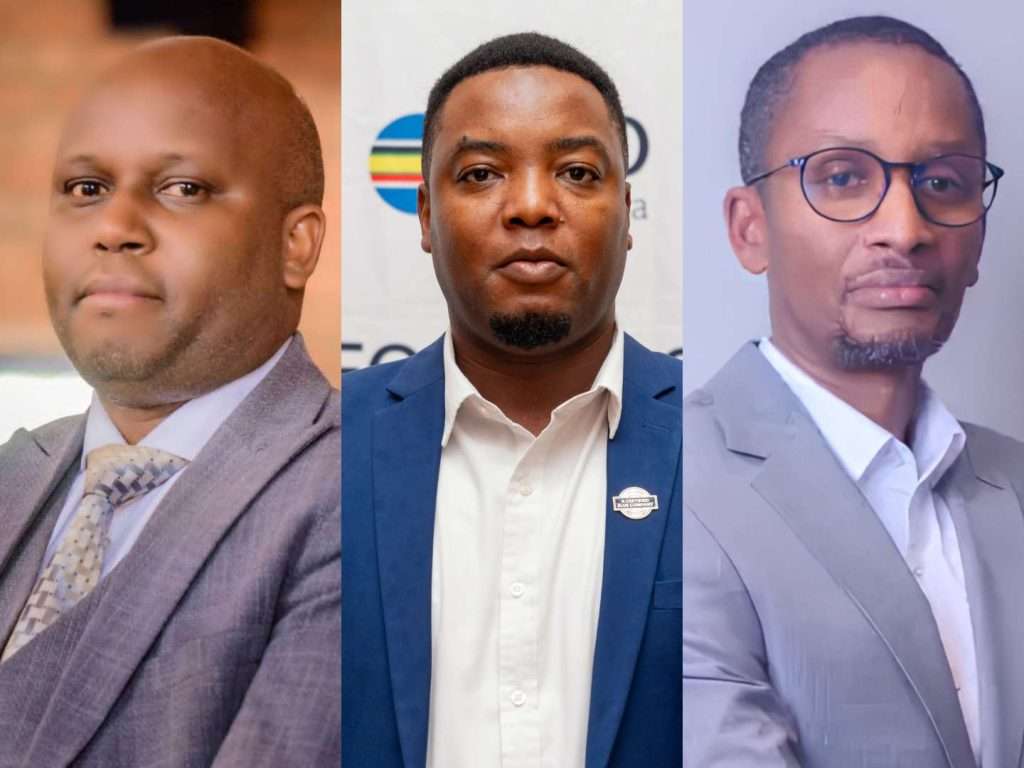
Most companies keep their attention on familiar threats such as regulatory changes or the pressures of competition. But the real dangers often emerge from weaknesses that remain unaddressed. Jubilee Insurance Tanzania CFO Nickson Motta, Rwanda Fertiliser Company CFO Patrick Marara, and Bank of Kigali group head of finance Ntiranyibagirwa Ange reveal the blind spots that can threaten even the strongest organisations.
Businesses often fixate on obvious threats like regulation or competition. However, the greater risk may lie in failing to anticipate how changing conditions will shape the future. Nickson Motta, CFO of Jubilee Insurance Tanzania, warns that the greatest danger lies in looking backwards rather than forwards. He argues that many finance teams remain stuck in historical reporting and fail to anticipate how global and local changes might reshape the business.
“If you are not able to mitigate the risks where the business is heading given what you already have in terms of the numbers, then that is one of the key things a CFO should be afraid of. You need a forecasted mindset where you look at the business in terms of the big vision, not just numbers,” he says.
Nickson stresses that finance leaders must train their teams to think beyond spreadsheets. He also advises his peers to develop an instinct for how macroeconomic changes could play out over time. Without foresight, he warns, businesses risk reacting late to shocks that could have been prevented.
But Patrick Marara, CFO of Rwanda Fertiliser Company, points to a different blind spot. He argues that businesses celebrate new contracts without considering how cash will actually flow in to sustain operations. In his experience, a company can win major deals and still grind to a halt if payments are delayed or mismanaged.
“The most important part is how we plan the budget and how we execute, and in the same process you find what we plan is not what we execute. In the end you find things change in the process, but we do not take time to ask what we have learnt in the same process. We have created a kind of routine aspect of budgeting, and throughout the execution you find we carry out what we have not budgeted, maybe because of emergencies and so on. But when we come to the process of budgeting for the next year, we again start with the same perspective of saying these are the line items, without really looking back,” he says.
Hiding in plain sight
In Patrick’s experience, cash flow risks hide in plain sight. While sales may look strong on paper, a business that cannot convert contracts into cash quickly enough risks collapse. He notes that managing these relationships requires diplomacy.
“You can get the business, you supply and do everything, and then actually liquidity becomes a problem, and that means you can’t operate. In the private sector you have to handle all those stakeholders and handle them properly. You need them. And after that, when you have given them services, you also need them to pay you on time,” he says.
For Ntiranyibagirwa Ange, group head of finance at Bank of Kigali Group, the overlooked risk is the rise of artificial intelligence. He worries that few companies are considering the full impact of experimenting with emerging technologies. Ange advises fellow CFOs to be proactive in understanding the risks and opportunities AI presents. In his view, ignoring them leaves businesses unprepared for disruptive shifts.
“AI is defining the future of every single business. AI is one thing where, if we do not see what will be the game changer in either following AI or not following it, we will be left behind,” he explains.
Ange’s sees AI as both a potential advantage and a source of disruption, depending on how organisations respond. For finance leaders, the challenge is to understand the long-term impact on competitiveness and stability. He insists that overlooking this emerging risk would be a mistake that could define the future of many businesses.
“This is one area every single CFO should be focusing on. Of course, it will come with risks, but I believe it will also bring a lot of benefits,” he says.